
Digital entertainment adapts to new user behaviours and platforms
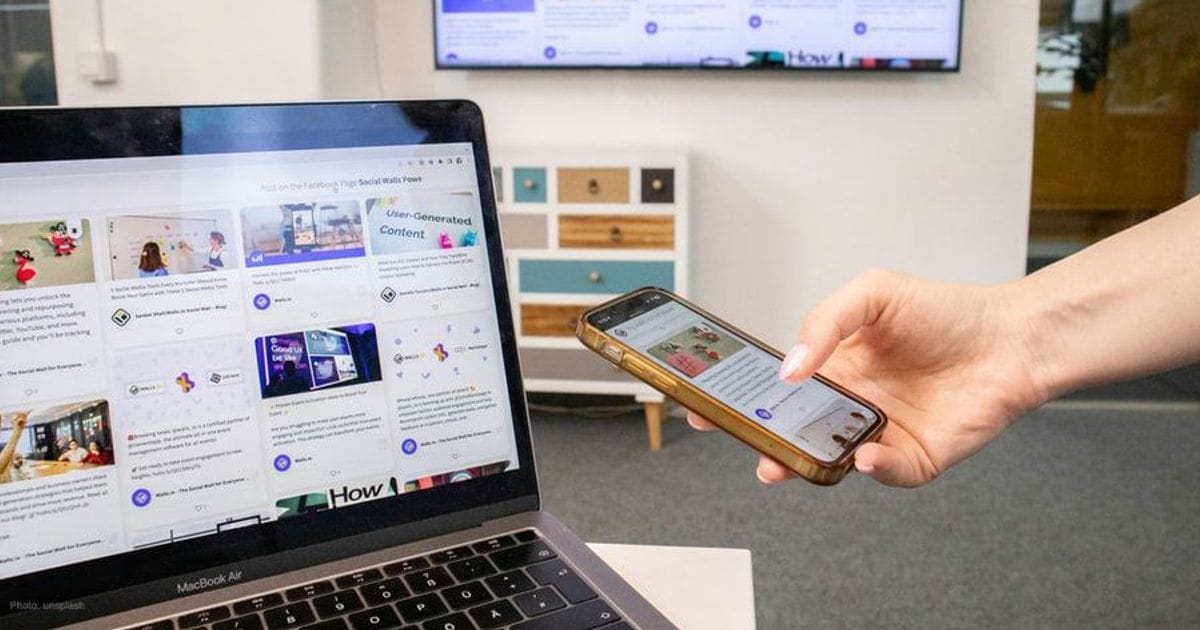
Digital consumption no longer follows a fixed routine. Across households and cities, people move between screens from morning to night. They integrate entertainment into daily life without interruption. Activities that once required planning are now immediate. Platforms anticipate preferences and deliver content within seconds. This happens across multiple devices and formats.
This constant access is reshaping audience expectations. Viewers now demand relevance, speed, and variety at the same time. In response, entertainment providers are reworking how content is produced, distributed, and experienced. This creates a landscape where adaptability determines success. User behaviour is increasingly driving the direction of the industry.
Key Takeaways
Digital entertainment is evolving rapidly to cater to the changing user behaviors and preferences, driven by constant access and immediate content delivery.
- Entertainment providers are shifting towards flexible subscription models and varied content release strategies to adapt to user preferences.
- Live streaming platforms are fostering stronger communities by enabling real-time interaction and engagement among viewers and creators.
- The growth of gaming is driving technological innovations and redefining the digital entertainment landscape by offering immersive interactive experiences.
Flexible subscriptions reshape viewing habits
Streaming platforms are moving away from single-price subscriptions toward more flexible access models. Many now offer tiered plans that combine premium features with lower-cost, ad-supported options. This approach broadens access and reflects changing expectations around affordability and choice in entertainment consumption.
At the same time, content release strategies are becoming more varied. Some services continue to release entire seasons at once to support binge-watching. Others adopt weekly schedules to sustain audience interest. This approach also encourages ongoing discussion over longer periods.
These differing approaches highlight how viewing habits are shaping platform decisions. Providers are no longer dictating how content is consumed; instead, they are adapting to user preferences and evolving patterns of engagement across devices.
Bundling has also gained momentum as a practical solution. By packaging multiple services together, companies simplify access and reduce costs. This approach helps audiences navigate an increasingly competitive and fragmented entertainment landscape.
Live streaming builds stronger communities
Real-time broadcasting has introduced a more immediate form of connection. Audiences no longer remain passive, as live platforms allow them to respond, comment, and interact during streams. This active participation adds depth to entertainment, turning it into a shared experience rather than a solitary one.
The impact is especially visible in gaming spaces, where live content attracts large, engaged audiences. Viewers gather not only to watch gameplay but also to interact with creators and fellow fans. This dynamic highlights how gaming continues to influence broader content formats.
Beyond gameplay, creators host discussions, performances, and casual streams that mirror everyday conversations. These formats reflect emerging gaming trends. In these trends, community engagement and authenticity matter as much as the content itself. They shape how modern audiences define value in digital spaces.
Gaming drives future digital experiences
The expansion of gaming signals a deeper shift in how people engage with digital media. Its accessibility, particularly through mobile devices, has brought interactive experiences to a global audience. As a result, gaming now stands at the center of modern entertainment ecosystems.
Behind this growth lies continuous progress in game development. Developers design experiences that evolve over time, introducing updates and live events that encourage long-term participation. This approach transforms users from casual players into consistent participants within digital worlds.
At the same time, gaming industry innovations are pushing technological boundaries. Virtual and augmented reality tools are becoming more accessible. They offer immersive environments that blend digital and physical spaces. These advances suggest a future where interactive experiences will further redefine how content is created and consumed.

Kanishma Ray
Kanishma Ray is an entertainment and anime content writer, who's known to play a mean violin (decently, that is). She's an engineering student by day and a wordsmith by night, with a knack for crafting engaging and helpful content that her readers love. When she's not busy writing, you can find her nose buried in a book or controller in hand, consuming media like it's her job (oh wait, it is).
View all articlesRelated Articles
View All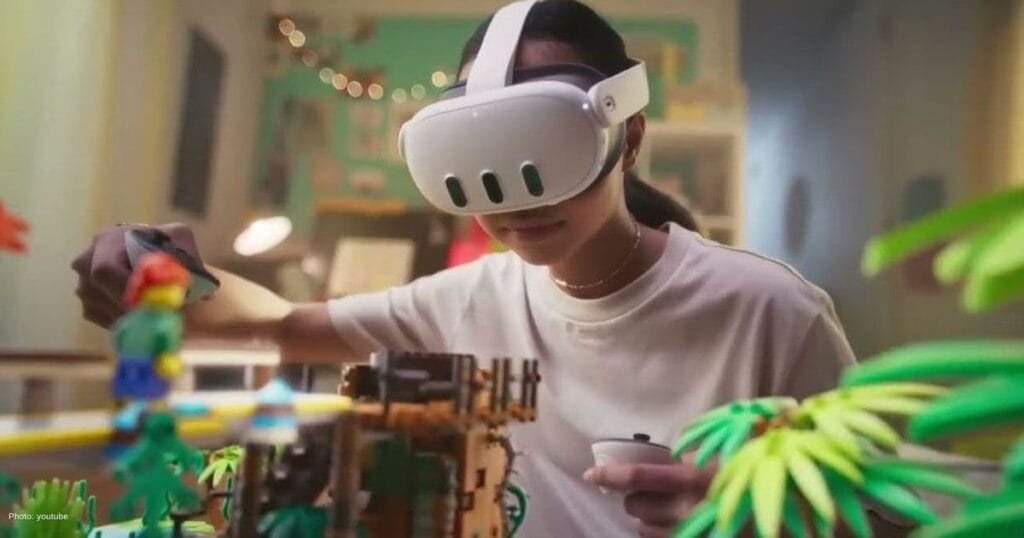
Immersive gaming is helping reshape the future of entertainment
Immersive gaming is helping reshape the future of entertainment by turning play into a shared, always-on experience. In 2026, that...

The rise of mobile gaming in modern entertainment
Mobile gaming has become a defining force in modern entertainment. In 2026, industry data shows that phones remain the broadest...

Blockchain gaming is redefining digital entertainment
Entertainment has always evolved alongside technology. From early arcade machines to massive online multiplayer worlds, each stage has introduced new...