
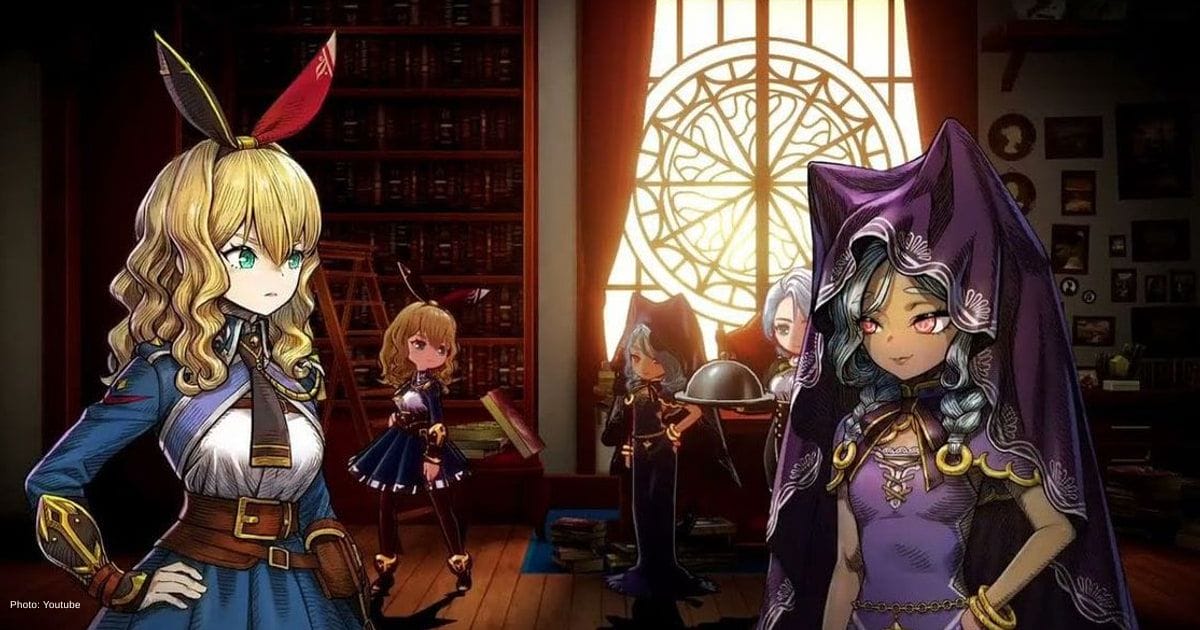
Ariana and the Elder Codex highlights current gaming trends in visual performance and design
Ariana and the Elder Codex has emerged as one of the latest game releases, drawing attention in the gaming and entertainment space for its strong visual presentation and responsive combat system. Developed by Hyde, known for Digimon Survive, the title reflects current gaming trends that blend classic gameplay styles with modern technical performance. Early game reviews indicate a well-built game in terms of mechanics and visuals, though its storytelling and systems design show clear limitations.
Released on March 24, 2026 for Nintendo Switch 2, PlayStation 5, and PC, the game enters a competitive market shaped by ongoing gaming industry innovations. While it succeeds in several core areas, its overall reception highlights the importance of balance across all aspects of game development.
Key Takeaways
Ariana and the Elder Codex showcases current gaming trends in visual performance and responsive gameplay, but faces limitations in storytelling and system design.
- The game runs smoothly at 60 frames per second and features visually detailed environments, consistent audio, and a responsive 2D side-scrolling combat system.
- The RPG elements and combat mechanics are promising but suffer from inconsistent upgrades and difficulty spikes, impacting gameplay flow.
- Despite technical strengths, the narrative and character development are weak, limiting overall engagement, highlighting the need for balanced game development.
Visual quality and core gameplay
Ariana and the Elder Codex runs smoothly at 60 frames per second on the Nintendo Switch 2, reflecting current gaming trends focused on performance. Combat and exploration feel responsive, meeting modern player expectations.
The visuals are strong, with detailed particle effects, HDR lighting, and polished character models, fonts, and interface elements, placing the game among the more refined recent latest game releases. Audio also supports the experience, with consistent voice acting and melodic background music. While some environmental sounds feel less realistic, the overall sound design remains effective within the game’s entertainment package.
Combat and progression systems
The gameplay is built around a 2D side-scrolling structure that combines hack-and-slash combat with light RPG mechanics. Players can use basic attacks alongside elemental spells, which can be upgraded over time. A notable feature is the ability to heal during combat without relying on consumable resources, allowing for more flexible encounters.
Platforming elements are straightforward and accurate, helping maintain a steady gameplay flow. Boss fights introduce pattern-based mechanics that encourage players to observe and adapt, a common approach in modern game development. While difficulty levels vary, these encounters add depth to the experience and reward player skill.
Narrative challenges and overall value
Storytelling and engagement: The story follows Ariana, a librarian restoring seven altered Codices, but its execution has been criticised. Lengthy and unclear dialogue affects pacing and reduces engagement.
Character development is limited, and supporting roles lack depth, making the story less memorable. In contrast, individual level stories are more focused and engaging, highlighting a gap between strong gameplay and weaker writing.
System design and difficulty balance: The RPG systems, including itemisation and character progression, show promise but lack consistency. Many upgrades feel situational, limiting their overall usefulness and reducing the incentive to experiment. Menu navigation is another issue.
Although visually clean, the interface is not intuitive and takes time to learn, which can interrupt gameplay flow. Difficulty balancing is uneven. Regular enemies feel fair, but early boss fights introduce sudden spikes that may force players to lower the difficulty, affecting progression.
Market position and final assessment
Ariana and the Elder Codex offers an estimated 12 to 15 hours of gameplay on lower difficulty settings, with additional replay value through optional challenge rooms. This duration aligns with similar titles in the current gaming landscape, providing a complete experience without requiring a large time investment.
Priced at £39.99 in the UK, the game sits in a competitive range. For players who prioritise visuals and combat, the cost may be justified. However, those seeking a strong narrative may find it less compelling. Within the context of latest game releases, the title stands as a technically solid but uneven entry, one that highlights both the progress and the remaining challenges in modern game development.

Kanishma Ray
Kanishma Ray is an entertainment and anime content writer, who's known to play a mean violin (decently, that is). She's an engineering student by day and a wordsmith by night, with a knack for crafting engaging and helpful content that her readers love. When she's not busy writing, you can find her nose buried in a book or controller in hand, consuming media like it's her job (oh wait, it is).
View all articlesRelated Articles
View All
April 2026 is packed with new video game releases to watch
Every player knows the feeling of a promising month. The wishlist grows, group chats fill with trailers, and free time...
Lords of the Fallen 2 release window may be coming into focus
Mounting signs around Lords of the Fallen II suggest the sequel is edging closer to a clearer release window. CI...

Digital card games redefine gaming’s growth in 2026
Digital card games are carrying real momentum into 2026, and players can already see why. With bigger mobile visibility, frequent...