
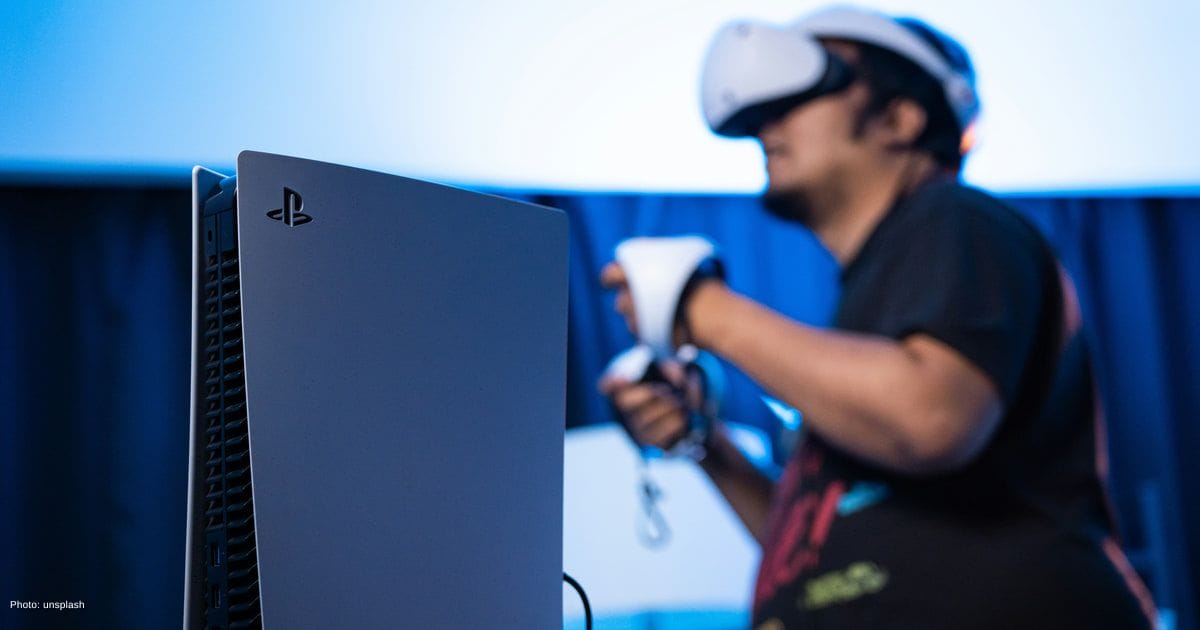
Beyond the controller: The new hardware and interfaces powering modern gaming
The global gaming industry is shifting in ways players can actually feel. Console makers, headset manufacturers, and developers are rethinking how people interact with digital worlds, pushing gaming beyond the controller toward motion tracking, adaptive feedback, spatial computing, and cloud-connected play. The change is reshaping entertainment by making gameplay more immersive, more accessible across devices, and easier for more people to join.
Key Takeaways
The gaming industry is evolving beyond traditional controllers, incorporating motion tracking, adaptive feedback, and spatial computing to enhance immersion and accessibility.
- New gaming interfaces, such as motion sensors and gesture recognition, are making gameplay more instinctual and immersive.
- Advanced haptic feedback in controllers adjusts to game scenarios, enhancing the tactile experience without being overtly noticeable.
- Cloud services and improved hardware, like high-speed SSDs and advanced GPUs, ensure smoother, more responsive gameplay across devices.
Smarter interfaces that feel more like instinct
For years, gaming meant mastering buttons. Now it increasingly feels like second nature. Motion sensors, gesture recognition, and touch input sit alongside traditional controllers, giving players options that feel closer to real movement. In virtual and mixed reality, hand tracking lets users reach out and interact directly, shrinking the gap between physical action and digital response.
Some of the most meaningful changes are subtle. Sony’s DualSense controller adjusts trigger resistance based on what is happening on screen, while its advanced haptics simulate tension, impact, and surface shifts. Pulling a bowstring carries resistance. Driving over gravel feels different from gliding across asphalt. These details do not shout for attention, but players notice them.
That growing attention to touch reflects broader gaming trends toward immersion that feels personal rather than flashy. Still, premium devices cost more, and long sessions can lead to fatigue. Progress in hardware only succeeds when it remains practical, comfortable, and within reach.
Hardware is working behind the scenes
All of this responsiveness depends on machines built to keep up. Consoles such as the PlayStation 5 and Xbox Series X use high-speed SSD storage to cut loading times and maintain momentum. Hardware-based ray tracing improves lighting and reflections, while modern GPUs support smoother frame rates. The result is not just sharper visuals but steadier play.
Virtual reality hardware brings processing power and interface design together in visible ways. Headsets like PlayStation VR2 and Meta Quest track movement internally, eliminating the need for external sensors. Some systems use eye tracking to prioritize detail where attention falls, helping realism and performance coexist. These advances align with gaming trends that value precision as much as spectacle.
Cloud services extend that logic further. Platforms such as Xbox Cloud Gaming stream titles across devices, moving heavy computation to remote servers. Reliable internet remains critical, and subscription models shape adoption, yet this approach lowers barriers in markets where high-end hardware is harder to afford.
Designing for access and longevity
Inclusive design is shaping hardware innovation. Microsoft’s Xbox Adaptive Controller allows highly customizable configurations for players with limited mobility. Remappable buttons and voice controls provide flexibility across platforms. For many players, thoughtful design determines whether gaming feels inviting or restrictive.
Gaming now occupies a central place in global entertainment. Moving beyond the controller does not abandon it. Instead, it expands how players move, react, and connect with digital spaces through richer haptics and more natural inputs, such as motion and voice. The next phase points to hardware and interfaces that feel more seamless across devices, broaden access for more players, and give developers new ways to design experiences that are both immersive and practical.

JC Paredes
Since March 2021, I've worn two hats at Spiel Times: a writer and a Managing Editor. In my writing role, I've earned recognition from Wikipedia and Nev Schulman (Catfish TV Show host) for my insightful analysis and engaging narrative style. I'm passionate about all things gaming, with a keen eye for detail and a knack for uncovering hidden secrets within games. My gaming journey began at a young age, captivated by titles like Resident Evil and Tomb Raider. Today, I enjoy exploring open-world RPGs and MMORPGs, consumed by their lore and crafting theories about their narratives. I'm also drawn to the suspenseful atmosphere of horror games and the intricate narratives of crime-themed titles, bringing a unique perspective to my writing. Beyond gaming, I have a fascination with anything unexplained and chilling, a passion that often spills over into my exploration of horror games. When I'm not engrossed in a virtual world, you can find me curled up and spending time with my adorable doggy sidekick, Teemo. As Managing Editor, I'm committed to fostering a collaborative and supportive environment for our writing team. I communicate openly with my team members, addressing any content-related issues and providing guidance to help them excel.
View all articles