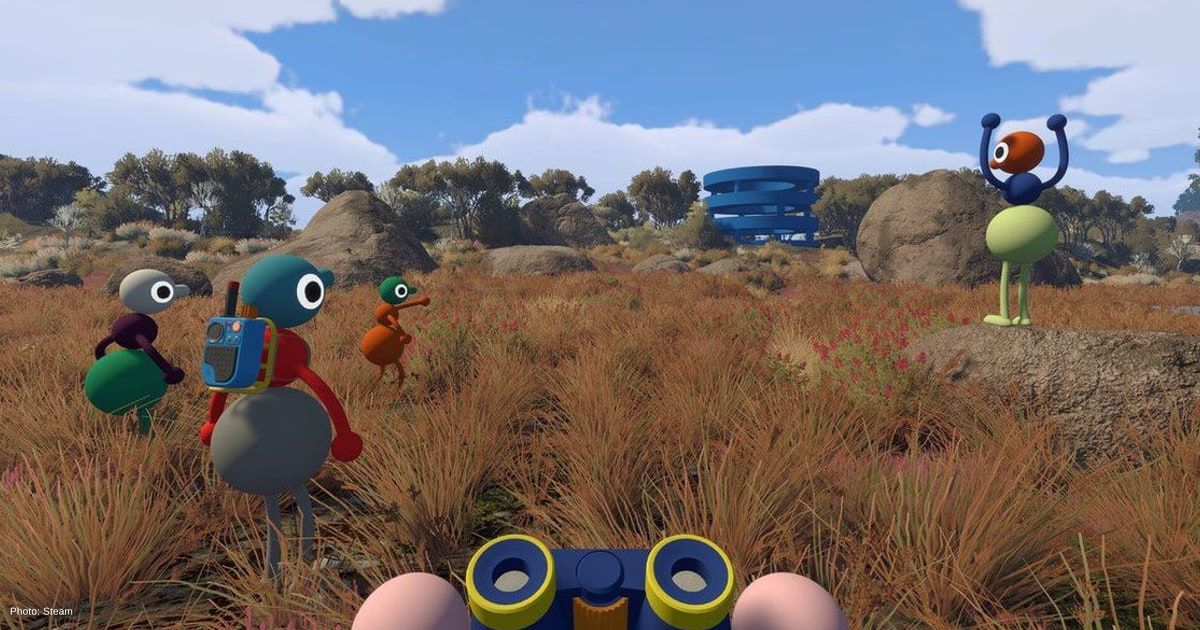
Big Walk’s 10-Line AI Fix Puts IGF Award Rules Under Scrutiny
An indie game’s ten-line code fix has become a test of how the gaming industry judges creative work. Australian studio House House says a chatbot helped its team investigate a Unity rendering bug in Big Walk, but developers heavily revised the suggested solution. The disclosure surfaced publicly alongside a statement from 19 jurors for the 2027 Independent Games Festival, who said they would not vote for games using generative AI.
Key Takeaways
A small AI-assisted code fix in the game Big Walk has sparked debate over AI’s role in game development and the IGF’s judging criteria.
- An AI chatbot suggested a ten-line code fix for a rendering bug in Big Walk, which developers significantly modified, raising questions about AI’s contribution and disclosure.
- Nineteen IGF jurors have pledged not to vote for games that utilize generative AI, highlighting a conflict with how some developers are incorporating AI tools.
- The incident underscores the need for clearer AI disclosure standards in game development, differentiating between AI in assets, code, and research, to maintain trust and accountability.
The bug behind Big Walk’s 10-line AI fix
House House traced the slowdown to Unity’s Universal Render Pipeline (URP). Shadow casters behind the player rendered at unlimited distances because URP culled them only in the camera’s forward direction. The studio said Big Walk ran about 50% slower for roughly 20 seconds at sunrise and sunset.
The team examined URP and consulted a Unity engineer before asking a chatbot. After dead ends, it suggested a fix. Developers extensively modified it into about ten lines. House House estimates well under 0.1% of Big Walk’s code was connected to this language-model use.
The disclosure exposed a gap. House House said generative AI was not used elsewhere in production, but acknowledged Big Walk had no internal AI policy. The studio called that omission a failure and promised a policy for future projects.
Why IGF and Steam have different AI standards
The missing policy exposed different disclosure expectations for platforms and awards. House House said it prepared an explanation for its IGF submission but made no Steam disclosure, since Steam does not request code or chatbot usage. Valve’s Content Survey asks about generative AI in game development or products, but says efficiency gains from AI-powered tools are not its focus.
Nineteen jurors pledged to withhold their votes from games incorporating generative AI in any capacity, including code. Their statement did not represent the entire festival or establish an official IGF-wide ban. Game designer Cliff Bleszinski also criticized the backlash against Big Walk, adding a contrasting voice to the debate.
People really need to get over themselves.
Cliff Bleszinski
That mismatch reflects gaming trends: AI adoption is growing alongside concerns about its effects. GDC’s November 2026 survey found 40% of game professionals used generative AI at work, while 55% said it harmed the industry. Respondents cited research, repetitive tasks, and prototyping as useful, but raised concerns about environmental impact, legal issues, job losses, and skill loss. In game development, debugging assistance differs from generated art, music, or stories. Gaming industry innovations need disclosure to sustain trust.
Building a clearer AI disclosure standard
These expectations point to a need for disclosure guidelines. A standard could separate AI use in player-facing content, assets, and code or research. Developers could identify the tool, explain its contribution, and describe how people reviewed or changed the output. This proposal would help juries and audiences assess work without treating every use alike.
House House’s disclosure cannot settle the debate, but offers a start. Clear policies adopted before controversy erupts can support accountability while leaving room for responsible tools. As gaming industry innovations reshape game development, transparent reporting can protect creative labor and build audience confidence in entertainment.

Marcus Kade
Marcus Kade is Managing Editor at Spiel Times, covering breaking gaming news with a focus on the industry's business side. When not writing, he's probably losing a co-op game to his partner.
View all articlesRelated Articles
View All
Volvy’s Adventure: Reslimed Shot-for-Shot Trailer Spoofs Rockstar’s Biggest Launch
What would it take to convince you to delete a game you’ve been waiting years to play? Apparently, a little...

GTA VI Puts Indian Talent in the Credits, but AAA Hits Remain Elusive
Grand Theft Auto VI launched on November 19, 2026, with Rockstar Games’ Bengaluru studio among the teams credited on the...

Gaming Needs Its Own ‘Toy Story’ Moment for AI to Take Off, Says Former GTA Boss
Artificial intelligence is obviously making its way into gaming, but players aren’t exactly rolling out the welcome mat. Can AI...