
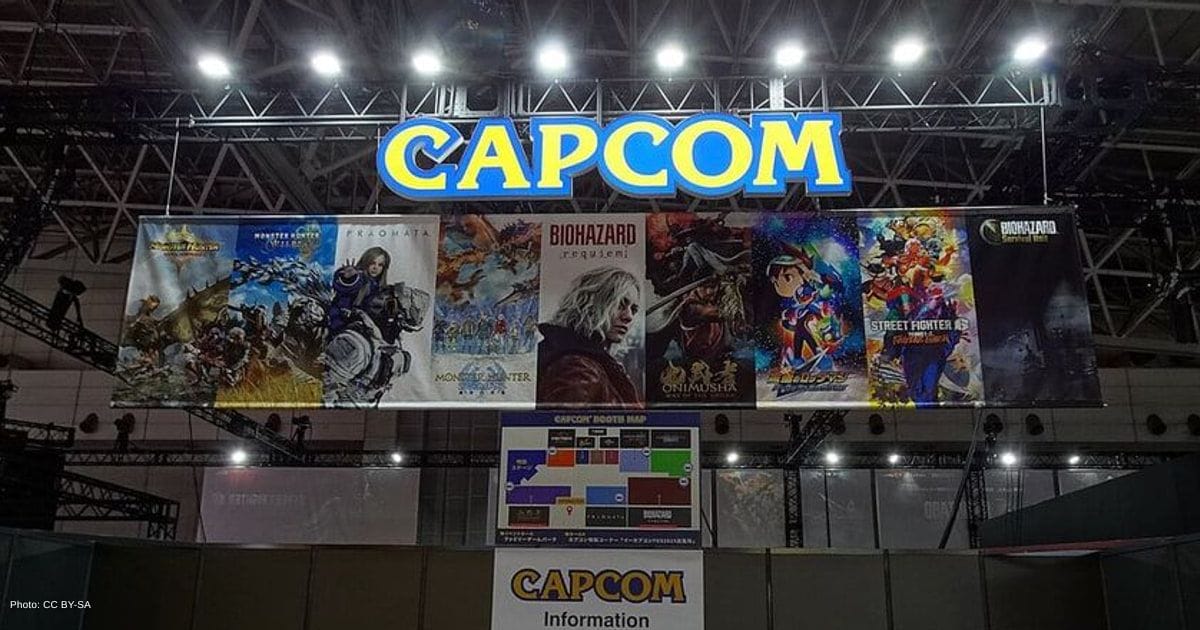
Capcom clarifies where it stands on AI in game development
Capcom has entered gaming’s biggest AI debate with a clearer stance. In a recent investor Q&A, the publisher said it will not implement generative AI-created materials in its game content, even while evaluating AI for internal development work.
That matters because AI sits at the center of game development. As studios weigh efficiency, cost, and creative control, Capcom is presenting a measured policy that speaks to player expectations, production realities, and entertainment trends.
Key Takeaways
Capcom clarifies its stance on using AI in game development, emphasizing its role as a supportive tool rather than a creative substitute.
- Capcom will not use AI-generated materials in final game content but plans to use AI to improve efficiency and productivity during development.
- The company’s policy reflects a balance between embracing technology and maintaining human authorship in core game elements, aligning with its broader image.
- Capcom’s clear and measured approach to AI use provides a model for the industry, offering a steady voice in discussions about AI integration and creative accountability.
Capcom sets a clear boundary
Capcom’s wording was precise. The company said AI-generated materials will not appear in the final games players buy. At the same time, it plans to use AI to improve efficiency and productivity during development, with testing underway across graphics, sound, and programming.
That is an important boundary. Rather than treating AI as a creative substitute, Capcom is presenting it as a support tool inside the pipeline. The studio’s line suggests authorship still matters, and core parts of a game should remain grounded in human decisions and craft.
The policy also matches Capcom’s broader image. The company continues to highlight its in-house RE ENGINE and a development structure backed by more than 3,000 creators, reinforcing the idea that technology should strengthen the team’s work, not define it.
Why Capcom’s position matters across the industry
Capcom’s position arrives at a moment when the wider industry is still trying to define responsible AI use. GDC’s 2026 State of the Game Industry report says 36% of game industry professionals use generative AI tools in their jobs, while 52% believe the technology is hurting the industry. That split reflects the uncertainty surrounding AI policy.
Those numbers help explain why policy language now matters. In a market shaped by fast-moving gaming trends, players, developers, and investors are listening closely to how companies describe the boundary between experimentation and final creative output. Capcom’s statement stands out because it gives that boundary a clear public form instead of relying on broad promises. That clarity matters in a market where AI policy is now under closer scrutiny.
Just as importantly, the company’s wording remains narrow and practical. Capcom did not announce a blanket rejection of AI, nor did it present automation as the future of authorship. Instead, according to its own summary, the focus is on testing whether AI can support development efficiency in specific technical areas connected to production.
A measured path forward for gaming
For now, that leaves Capcom with a middle-ground policy that feels easier to understand than many industry talking points. It leaves room for AI-assisted game development while publicly ruling out generative AI-created materials in the final content shipped to players. This distinction gives the company a steadier voice.
That balance may be why the announcement carries weight. In gaming and entertainment, trust is shaped not only by bold ideas but by clear limits. Capcom’s message does not settle every question around AI, yet it offers a model for discussing gaming industry innovations without losing sight of craft or accountability.

JC Paredes
Since March 2021, I've worn two hats at Spiel Times: a writer and a Managing Editor. In my writing role, I've earned recognition from Wikipedia and Nev Schulman (Catfish TV Show host) for my insightful analysis and engaging narrative style. I'm passionate about all things gaming, with a keen eye for detail and a knack for uncovering hidden secrets within games. My gaming journey began at a young age, captivated by titles like Resident Evil and Tomb Raider. Today, I enjoy exploring open-world RPGs and MMORPGs, consumed by their lore and crafting theories about their narratives. I'm also drawn to the suspenseful atmosphere of horror games and the intricate narratives of crime-themed titles, bringing a unique perspective to my writing. Beyond gaming, I have a fascination with anything unexplained and chilling, a passion that often spills over into my exploration of horror games. When I'm not engrossed in a virtual world, you can find me curled up and spending time with my adorable doggy sidekick, Teemo. As Managing Editor, I'm committed to fostering a collaborative and supportive environment for our writing team. I communicate openly with my team members, addressing any content-related issues and providing guidance to help them excel.
View all articlesRelated Articles
View All
How immersive technology is changing the gaming industry
The gaming world is changing rapidly. Players are seeing games in a whole new way. Virtual reality (VR), augmented reality...

Mobile gaming hits $134B in 2026 as player base continues to surge
Mobile gaming isn’t just something people do to pass the time anymore. It has grown into one of the biggest...

Sonic Superstars hits 1.5 million sales with DLC and European expansion
Sega’s Sonic Superstars, the 2D platformer launched in October 2023, has officially sold over 1.5 million units worldwide as of...