
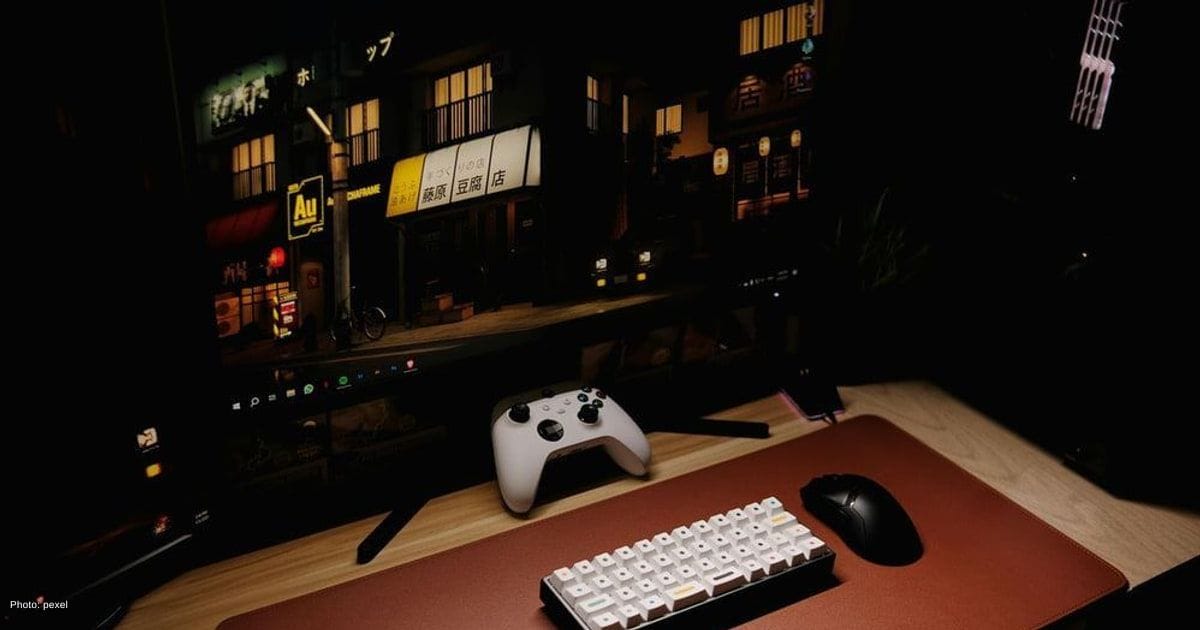
Console versus PC gaming: A modern perspective
The debate between console and PC gaming has entered a new phase. Analysts tracking global gaming behavior note that over 3.3 billion players now engage with digital titles worldwide, according to industry estimates. This surge has intensified comparisons between platforms. For many, the choice is no longer just technical. It reflects lifestyle, spending habits, and expectations from modern entertainment ecosystems.
Market data shows consoles still dominate living room play. PCs lead in competitive, high-performance spaces. Experts, including the Interactive Software Federation, say the gap is shrinking. As gaming trends move toward cross-platform and cloud access, platform boundaries are becoming less clear.
Key Takeaways
The debate between console and PC gaming reflects evolving trends in digital entertainment, encompassing performance, accessibility, and sustainability.
- Consoles dominate living room play while PCs lead in competitive, high-performance gaming, but the gap is narrowing due to improvements in console optimization.
- PC gaming offers greater flexibility with modular upgrades, supporting evolving gaming trends and reducing long-term electronic waste, making it a more sustainable option for dedicated users.
- Consoles attract new players with ease of use, cost efficiency, and integrated social features, while PCs benefit from continuous software updates and cross-platform play, which reflect gaming trends focused on access over ownership.
Performance gaps narrow, but flexibility remains
High-end PCs still lead in raw power, but the margin is shrinking. A hardware study by Jon Peddie Research found that premium GPUs can deliver over 120 frames per second at 4K resolution. This gives PC gaming a measurable edge in fast-paced genres like shooters and racing simulations.
However, consoles have adapted through optimization. Developers now fine-tune titles specifically for fixed hardware. This allows stable performance even without cutting-edge components. As a result, many players report consistent experiences that rival mid-range PC setups, especially in story-driven entertainment titles.
Scalability remains a defining advantage for PCs. Users can upgrade parts instead of replacing entire systems. This flexibility supports evolving gaming trends and extends device lifespan. Experts in game development highlight that modular upgrades also reduce long-term electronic waste, making PCs a more sustainable option for dedicated users.
Console simplicity drives wider adoption rates
Ease of use continues to attract new players to consoles. A consumer survey by Statista found that 62% of casual gamers prefer plug-and-play systems. Consoles require minimal setup, making them accessible to households without technical expertise.
Cost also plays a major role. Entry-level consoles remain significantly cheaper upfront than high-performance PCs. While total ownership costs may balance over time, the initial affordability lowers the barrier to entry. This is especially relevant in emerging markets where gaming growth is accelerating rapidly.
Social features further strengthen console appeal. Integrated networks simplify communication, matchmaking, and content sharing. Industry analysts note that these built-in systems enhance entertainment value by reducing friction. In contrast, PC environments can feel fragmented, even though they offer broader customization and deeper control for advanced users.
Future-proofing shapes platform decisions ahead
Looking forward, adaptability defines long-term value. PCs benefit from continuous software updates and backward compatibility across decades of titles. Research from IDC shows that over 70% of PC players still access games released more than five years ago, supported by flexible ecosystems and digital libraries.
Consoles are evolving to keep up. Subscription services and cloud streaming extend their lifespan beyond hardware limits. These shifts reflect gaming trends focused on access over ownership. Still, fixed hardware remains a limitation compared to upgradeable PC systems.
Cross-platform play is another major shift. Developers increasingly design games that work across devices, reducing platform lock-in. Game reviews from major outlets highlight this as a turning point for the industry. As entertainment becomes more interconnected, the choice between platforms depends less on capability and more on personal priorities.

Kanishma Ray
Kanishma Ray is an entertainment and anime content writer, who's known to play a mean violin (decently, that is). She's an engineering student by day and a wordsmith by night, with a knack for crafting engaging and helpful content that her readers love. When she's not busy writing, you can find her nose buried in a book or controller in hand, consuming media like it's her job (oh wait, it is).
View all articlesRelated Articles
View All
CD Projekt Red Leaves REDengine Behind for the Unreal Engine 5 Era
CD Projekt Red is entering a major new chapter as the studio transitions from REDengine to Unreal Engine 5 for...
Steam Deck’s Next Challenge as Handheld Gaming PCs Raise the Stakes
The portable gaming world is entering a new chapter as handheld PCs move from a niche experiment into a rapidly...

Keyboard vs Controller: The Choice That Shapes How Gamers Play
The battle between keyboard and controller continues to shape conversations across gaming communities. As gaming trends evolve, players are discovering...