
Gaming’s next frontier: haptic controllers changing the gaming experience
Video games have long relied on visuals and sound. Now touch is changing how players experience digital worlds. What if players could actually feel what happens in a game? Haptic technology makes that possible by sending physical sensations through a controller. Instead of simple vibration, it creates tactile feedback that simulates movement, texture, or impact. This shift reflects broader gaming industry innovations aimed at making gameplay more immersive.
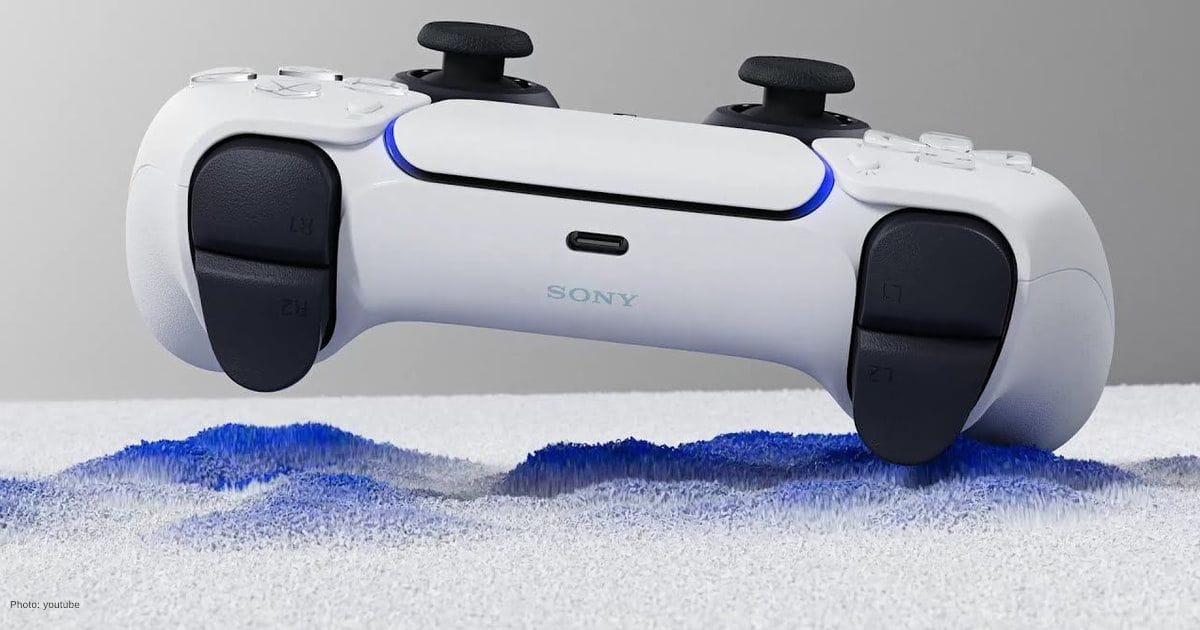
Sony’s PlayStation 5 DualSense controller shows how far this technology has advanced. Its haptic system can simulate subtle vibrations that resemble real surfaces and motion. Walking on sand can feel uneven and soft. Sliding on ice produces smoother feedback. Driving across rough terrain sends stronger pulses through the controller. These signals help players understand the environment even when the surface is not easy to see on screen.
Key Takeaways
Haptic technology is revolutionizing the gaming experience by adding tactile feedback to controllers, making gameplay more immersive.
- Haptic controllers can simulate various sensations like texture, movement, and impact, enhancing the player’s understanding of the game environment.
- Adaptive triggers change tension based on in-game actions, providing unique tactile feedback for different scenarios such as pulling a bowstring or firing a weapon.
- Game developers are increasingly incorporating haptic feedback into gameplay design to enhance realism and player interaction.
How controller feedback evolved
Earlier controllers used simple vibration motors. Most relied on eccentric rotating mass systems, also known as ERM motors. These produced a short rumble during events such as explosions or crashes. The feedback worked, but it lacked detail. Later designs introduced linear resonant actuators, or LRAs. These components allowed faster response times and more controlled vibration patterns.
Newer hardware goes further. Controllers now use technologies such as piezoelectric actuators, voice-coil motors, and electroactive polymers. These parts generate more detailed tactile signals. Players can feel surface texture, movement, and directional force. A character’s footsteps, weapon recoil, or a vehicle shifting during a turn can all produce distinct sensations.
Adaptive triggers add another layer to this design. Traditional triggers always move with the same resistance. Adaptive triggers change tension depending on the action inside the game. Pulling a bowstring can feel tight and gradual. Firing a weapon may create a sudden kick. Racing games can simulate resistance during acceleration or braking. These physical responses help players react faster during intense moments.
The role of haptics in gameplay
Many studios now design gameplay around haptics. Racing games simulate road conditions, combat titles reflect weapon impact, and exploration games mimic footsteps or collisions. Instead of checking interface indicators, players can feel these changes through the controller.
Modern controllers use several actuators placed in different areas to create localized feedback. Signal-processing software controls vibration frequency, intensity, and duration to produce tactile responses that resemble real physical interaction.
What challenges today’s haptic technology faces
Engineers still face design challenges. Controllers have limited space, and advanced actuators consume power. Designers aim for haptic feedback with very low latency, usually under 20 milliseconds, so sensations match on-screen actions.
Power management is also important to prevent battery drain. Interest in sensory interaction continues to grow with virtual reality and interactive platforms. VR benefits from tactile feedback because touch strengthens the sense of presence.
Some game development tools now allow creators to script custom vibration patterns linked to gameplay events. In modern gaming, touch is becoming as important as visuals and sound.

Kanishma Ray
Kanishma Ray is an entertainment and anime content writer, who's known to play a mean violin (decently, that is). She's an engineering student by day and a wordsmith by night, with a knack for crafting engaging and helpful content that her readers love. When she's not busy writing, you can find her nose buried in a book or controller in hand, consuming media like it's her job (oh wait, it is).
View all articles