
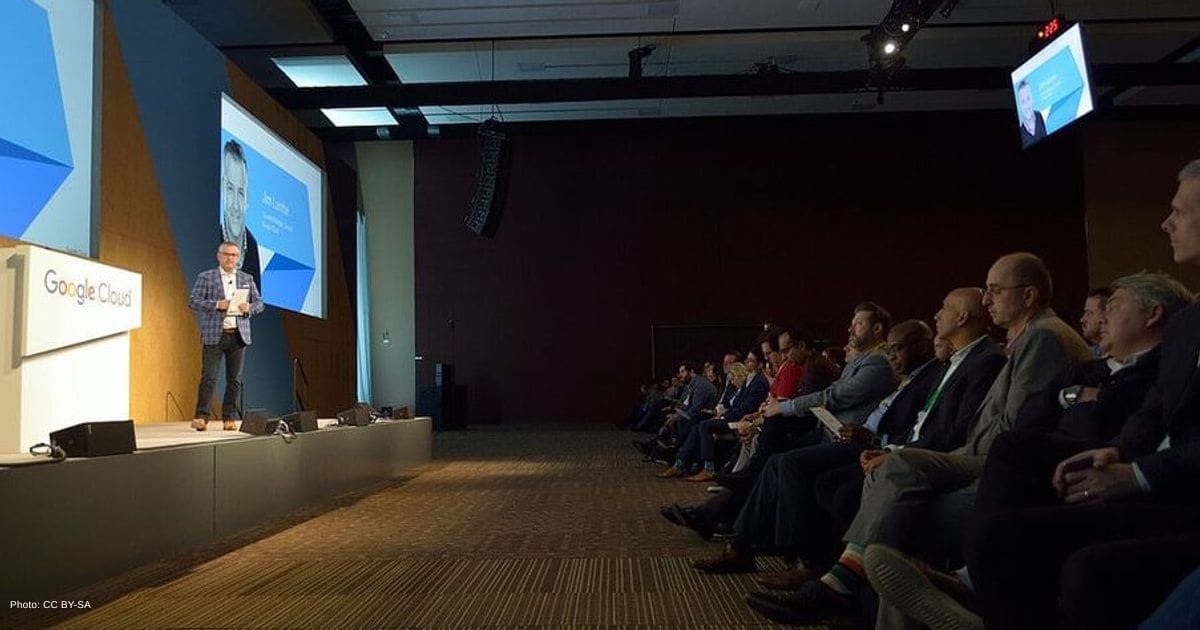
Google Exec says AI is already reshaping how games get made
Gaming’s next big shift may not arrive as a console reveal, a bigger open world, or a brighter ray-traced skyline. It may be forming inside the tools developers use before players ever press start. Google Cloud executive Jack Buser says AI is already changing game development, turning one of today’s most talked-about gaming industry innovations into a practical studio workflow, not just a distant promise about the future of entertainment.
Key Takeaways
Google Cloud executive Jack Buser asserts that AI is currently transforming game development by assisting in various stages of production, rather than merely being a future promise.
- AI is currently being used in game development to support tasks such as research, code support, localization, testing, balancing, and brainstorming, which helps studios handle complex pipelines more efficiently.
- Studios are using AI tools like Gemini and Nano Banana Pro to generate rough drafts of environmental details, which are then reviewed and refined by human teams, ensuring that creativity and originality are preserved.
- The gaming industry is moving towards more transparency and quality control regarding AI usage, while maintaining a focus on human creativity and judgment as the core of game development.
AI is moving quietly into game studios
Buser’s argument is simple: AI is already entering modern production, even if studios are cautious about integrating it into the marketing story. He describes it less as a replacement for creators and more as support for teams handling complex pipelines.
The pressure is rising because the business of making games has become more demanding. Budgets keep climbing, development timelines often stretch for years, and players expect larger worlds, faster updates, sharper visuals, and fewer technical issues at launch.
In the face of that pressure, AI can help with research, code support, localization, testing, balancing, and brainstorming. These tasks may stay invisible to players, but they influence how quickly teams solve problems. At its best, AI gives developers breathing room without removing human direction and keeping creative calls where they belong: with people.
AI tools are changing game development workflows
Buser has pointed to studios using tools like Gemini and Nano Banana Pro to quickly brainstorm small environmental details, such as pebbles and other low-value background elements. Those ideas are then reviewed, curated, and rebuilt by people before they become part of a finished game.
AI may offer a rough draft, but artists, designers, producers, writers, and directors still decide what feels right. In a healthy workflow, the tool handles repetition while people focus on characters, atmosphere, gameplay, and emotional polish. That distinction helps studios protect originality while still exploring the production gains that make modern entertainment more sustainable for larger teams today.
But speed alone will not settle the debate. GDC’s latest industry research shows that many game workers remain skeptical of generative AI, especially regarding creative labor. Steam also asks developers to disclose certain player-facing AI-generated content, while basic efficiency tools do not always need labels. That balance shows where gaming trends are heading: more experimentation, but also more demand for transparency, quality control, and trust.
Human creativity still leads the future of gaming
Used responsibly, AI’s promise for players is not a flood of machine-made games. It is the chance for richer worlds, smarter testing, faster updates, and more creative risk from both major publishers and smaller studios.
The studios that grow from this shift will treat AI as support, not a shortcut. Game development still depends on taste, judgment, craft, and player trust. AI may reshape how games get made, but the heart of gaming remains human imagination, the spark that turns new technology into better stories, stronger worlds, and experiences players keep coming back to.

Kanishma Ray
Kanishma Ray is an entertainment and anime content writer, who's known to play a mean violin (decently, that is). She's an engineering student by day and a wordsmith by night, with a knack for crafting engaging and helpful content that her readers love. When she's not busy writing, you can find her nose buried in a book or controller in hand, consuming media like it's her job (oh wait, it is).
View all articlesRelated Articles
View All
Football Manager 27 Unveils a Smarter Interface With Fewer Clicks
Sports Interactive has revealed early details about Football Manager 27’s interface improvements ahead of its November 2026 launch, introducing changes...
Where To Buy Aion 2 Kinah Safely? A Complete Guide
AION 2 has officially arrived, bringing a new generation of MMORPG adventure to players around the world. After years of...
Gaming Trends Lean Into Easier Access, Community, and More Choice
Gaming in 2026 is becoming easier to enter without losing ambition. Newzoo forecasts a $213.9 billion global games market this...