
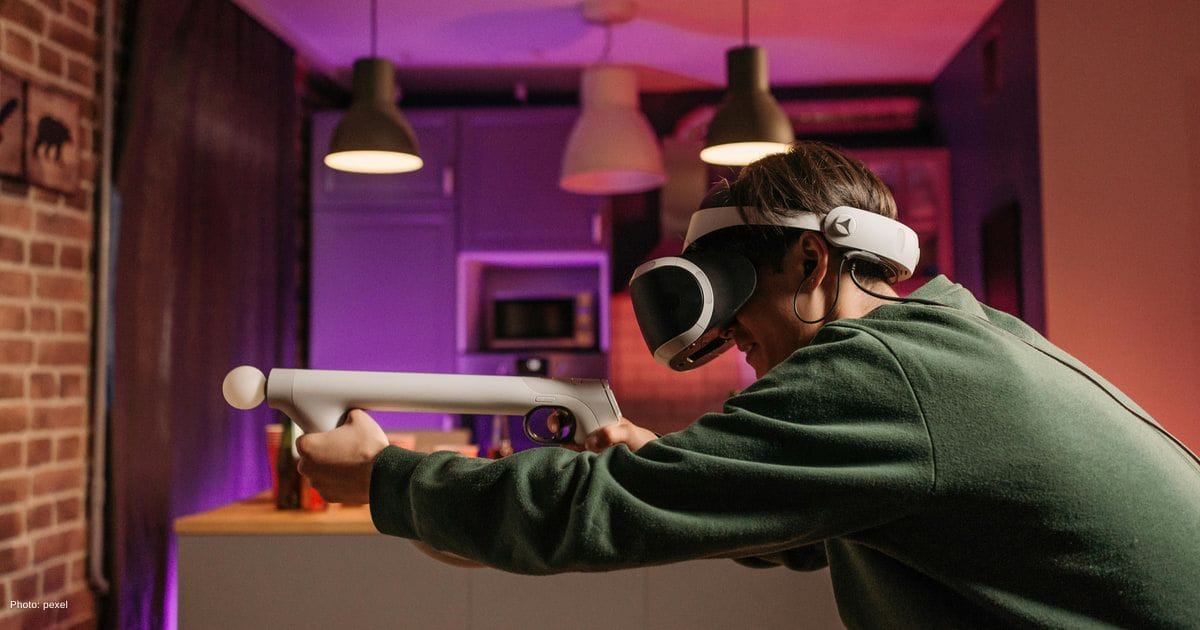
Haptic feedback technology elevates gaming realism
Gaming has long relied on graphics and sound to create excitement. Today, developers are adding a new sense to the experience: touch. Haptic feedback technology is transforming how players interact with digital worlds. Instead of simple controller vibrations, modern systems simulate texture, pressure, and movement. This change reflects wider gaming trends in the entertainment industry, where immersion has become a central goal.
For many players, gaming is no longer just about visual storytelling. It is about feeling part of the action. Technology companies are investing in tactile systems that make virtual events feel more real. From console controllers to wearable devices, new tools are bringing physical sensation into digital entertainment and reshaping the future of gaming.
Key Takeaways
Haptic feedback technology is revolutionizing gaming by enhancing realism through touch, moving beyond simple vibrations to simulate complex physical sensations.
- Modern haptic feedback systems simulate textures, pressure, and movement, providing a deeper sense of presence in gaming.
- Engineers are developing advanced tactile systems that replicate physical properties like softness and temperature, improving immersion.
- Consumer demand for immersive and sensory-rich gaming experiences is driving significant investments in haptic technology by console manufacturers and developers.
Touch technology reshapes player immersion
Haptic feedback once meant little more than a brief rumble when a car crashed or a weapon fired. Today’s systems are far more advanced. Modern controllers use small actuators that produce precise vibrations. These vibrations can mimic footsteps, engine movement, or environmental effects. The result is a deeper sense of presence during gaming sessions.
Engineers are also experimenting with materials that simulate physical properties. Some systems attempt to replicate softness, resistance, or even subtle temperature shifts. When a player interacts with virtual objects, the controller or device responds with carefully timed feedback. This approach allows gaming to move beyond sight and sound toward a richer sensory experience.
Developers are working to make these systems smaller and more energy efficient. Mobile gaming devices require compact components that do not drain battery life. Progress in actuator design and power management is helping bring advanced tactile features to portable gaming platforms and expanding possibilities in entertainment technology.
Demand grows for sensory gaming
Consumer expectations have shifted as gaming becomes a major form of entertainment worldwide. Players now seek experiences that feel lifelike and responsive. Research and market surveys suggest that immersive features strongly influence how gamers evaluate new devices. Consequently, tactile feedback is emerging as a key element in contemporary gaming trends.
Console manufacturers and hardware companies are investing heavily in haptic innovation. Premium controllers and specialized accessories now offer multiple vibration zones and adaptive triggers. These tools allow players to feel tension when pulling a bowstring or resistance when driving through rough terrain.
Virtual reality has further increased demand for touch-based feedback. In VR environments, visual immersion is powerful but incomplete without physical sensation. By adding tactile responses, developers create a stronger illusion of presence. For many gamers, this integration marks a major step forward in interactive entertainment.
RobloxHaptics introduces tactile gameplay design
Developers are exploring ways to add touch to digital worlds, including experiments on the Roblox platform. One idea often discussed is RobloxHaptics, which refers to improved vibration feedback that responds to gameplay events and player actions in real time.
Instead of simple controller rumble, modern systems can produce varied vibration patterns. Short pulses, stronger vibrations, or subtle signals may appear during gameplay. These responses help players connect their actions with events happening inside the virtual environment.
Such feedback relies on actuators inside controllers or devices. Developers can script vibration effects through tools like Roblox Studio. As gaming trends evolve, tactile feedback is becoming an important part of modern gaming entertainment.

Kanishma Ray
Kanishma Ray is an entertainment and anime content writer, who's known to play a mean violin (decently, that is). She's an engineering student by day and a wordsmith by night, with a knack for crafting engaging and helpful content that her readers love. When she's not busy writing, you can find her nose buried in a book or controller in hand, consuming media like it's her job (oh wait, it is).
View all articles