
How immersive technology is changing the gaming industry
The gaming world is changing rapidly. Players are seeing games in a whole new way. Virtual reality (VR), augmented reality (AR), and mixed reality (MR) make virtual worlds feel more lifelike. Today, gamers can interact with virtual worlds more realistically than ever. This shift is drawing larger audiences and creating new opportunities across the entertainment sector.
In 2023, the global market for immersive technology reached $33.2 billion. Analysts expect it to grow at a compound annual rate of 24.5% from 2024 to 2032. Advances in both hardware and software are driving this growth. At the same time, new gaming trends are encouraging deeper player engagement. Game developers and entertainment companies are adopting these tools to deliver richer, more interactive experiences.
Key Takeaways
Immersive technologies such as VR, AR, and MR are revolutionizing the gaming industry by enhancing player engagement and creating new market opportunities.
- Immersive technology in gaming is experiencing rapid growth, expected to reach $33.2 billion in 2023 and grow at a 24.5% compound annual rate until 2032.
- Advancements in hardware like graphics processors and advanced sensors are overcoming early limitations of VR, allowing for a more immersive and engaging gaming experience.
- The gaming industry is leveraging software and market expansion to create interactive, realistic worlds, with major tech firms like Microsoft and Google leading the way in innovation.
Hardware advances boost gaming experiences
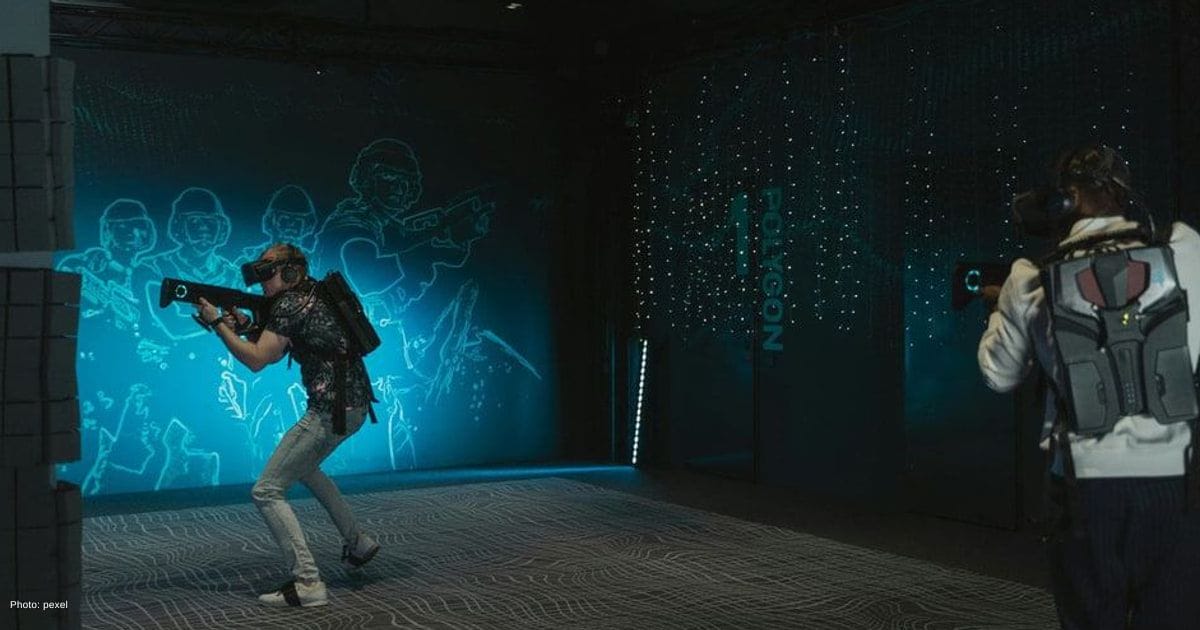
Hardware improvements have reshaped gaming. Modern graphics processors, high-resolution screens, and advanced sensors allow virtual worlds to respond naturally to player movements. Early VR faced problems such as limited viewing angles and motion delays. Most of these issues have now been overcome. Players feel fully immersed, increasing emotional engagement with games.
The entertainment industries also benefit from these technologies. VR and AR provide new ways to experience live events, concerts, or storytelling. Hybrid formats now combine gaming and entertainment, giving audiences interactive experiences that feel personal and immersive.
These hardware changes influence gaming trends globally. Extended reality (XR) tools enable players to collaborate and create together in virtual worlds. Such platforms combine fun, creativity, and social connection. Analysts say immersion and engagement now define the gaming experience.
Software and market expansion
Software is evolving alongside hardware, shaping the gaming industry. Game development studios use VR and AR engines to build interactive, realistic worlds. Advanced simulations, AI behaviors, and dynamic narratives enhance gameplay while attracting players seeking innovation.
The market is divided into hardware, software, and services. Hardware generated the largest revenue in 2023, followed by software and immersive services. Together, these components support new gaming trends and make immersive entertainment accessible to a wider audience.
Top tech firms continue to push innovation across the gaming industry. Microsoft’s HoloLens and Google’s AR tools show how immersive platforms serve both play and collaboration. Their investments emphasize how game development and technology advances intersect to redefine interactive entertainment.
Regional growth and industry impact
North America leads the global immersive technology market, accounting for roughly 40% of revenue in 2023. The region leads thanks to its tech ecosystem, consumer spending, and adoption of gaming trends. Investments in both hardware and software have positioned the U.S. as a hub for gaming innovation and immersive entertainment.
The entertainment and gaming industries benefit from this concentration of talent and resources. VR arcades, esports arenas, and interactive storytelling experiences are expanding across major cities. Such developments show how immersive technology not only drives financial growth but also redefines how players and audiences interact with games.
Looking ahead, the gaming and entertainment sectors are poised for more breakthroughs. Advances in graphics, artificial intelligence (AI), and XR collaboration tools are opening new opportunities for both developers and players. These innovations will continue expanding the possibilities of immersive technology. Gaming industry innovations will keep reshaping the sector. This will make entertainment experiences more engaging for years ahead.

JC Paredes
Since March 2021, I've worn two hats at Spiel Times: a writer and a Managing Editor. In my writing role, I've earned recognition from Wikipedia and Nev Schulman (Catfish TV Show host) for my insightful analysis and engaging narrative style. I'm passionate about all things gaming, with a keen eye for detail and a knack for uncovering hidden secrets within games. My gaming journey began at a young age, captivated by titles like Resident Evil and Tomb Raider. Today, I enjoy exploring open-world RPGs and MMORPGs, consumed by their lore and crafting theories about their narratives. I'm also drawn to the suspenseful atmosphere of horror games and the intricate narratives of crime-themed titles, bringing a unique perspective to my writing. Beyond gaming, I have a fascination with anything unexplained and chilling, a passion that often spills over into my exploration of horror games. When I'm not engrossed in a virtual world, you can find me curled up and spending time with my adorable doggy sidekick, Teemo. As Managing Editor, I'm committed to fostering a collaborative and supportive environment for our writing team. I communicate openly with my team members, addressing any content-related issues and providing guidance to help them excel.
View all articlesRelated Articles
View All
Mobile gaming hits $134B in 2026 as player base continues to surge
Mobile gaming isn’t just something people do to pass the time anymore. It has grown into one of the biggest...

Sonic Superstars hits 1.5 million sales with DLC and European expansion
Sega’s Sonic Superstars, the 2D platformer launched in October 2023, has officially sold over 1.5 million units worldwide as of...
Call of Duty: Modern Warfare (2019) makes an unlikely Steam comeback
It’s 2026, and you wouldn’t expect a six-year-old game to suddenly top Steam charts, but here we are. Call of...