
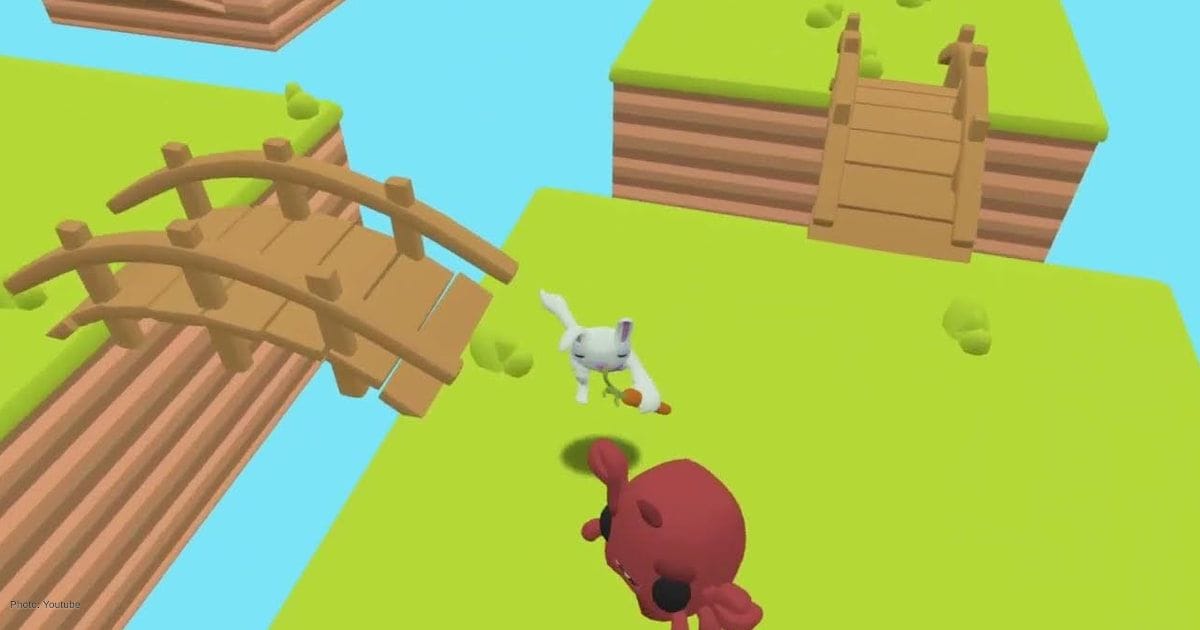
The new Indie advantage: AI assist, easier tools, faster games
Independent game development is shifting rapidly as small teams and solo creators use AI assistance and accessible engines to build ambitious titles. What once required large budgets and specialized staff can now begin with practical tools and smart workflows. The result is a broader and more competitive gaming landscape where more creators can shape global entertainment.
Key Takeaways
Independent game development is evolving with the help of AI and accessible tools, making it easier and faster for small teams and solo creators to build ambitious titles.
- Engines like Unity and Unreal Engine 5, along with open-source platforms such as Godot, have democratized game development by reducing the need for deep technical expertise and financial backing.
- AI tools are accelerating the game development process by assisting in various tasks, from creative concept exploration to programming and even marketing, allowing developers to focus more on gameplay and storytelling.
- The combination of easier development tools and AI assistance is broadening the indie gaming landscape, enabling more creators around the world to enter the market and create polished, ambitious projects faster.
Accessible engines redefine who gets to build
Not long ago, launching a commercial-quality game demanded either deep technical specialization or serious financial backing. Today, engines like Unity and Unreal Engine 5 have changed that equation. Unity’s cross-platform flexibility and asset marketplace help small teams move efficiently from prototype to launch. Unreal Engine’s Blueprint visual scripting system allows developers to build gameplay systems visually, reducing reliance on complex code while still delivering high production value.
Open-source platforms have expanded access even further. Godot, which operates without royalties, has gained strong global traction for its lightweight, approachable design. Developers can experiment freely without licensing costs cutting into future revenue, making it especially attractive to budget-conscious studios.
For creators who want to minimize coding almost entirely, no-code platforms such as GDevelop provide an even faster on-ramp. Visual logic blocks and ready-made systems allow newcomers to prototype quickly. Instead of spending months constructing infrastructure, developers can focus on gameplay systems, pacing, and storytelling. The barrier to entry in game development has moved noticeably closer to creativity itself.
AI is becoming a creative multiplier
If engines make development accessible, artificial intelligence is accelerating the entire production cycle. Many indie developers now use generative AI tools to explore character concepts, environment sketches, or dialogue drafts. These outputs are rarely final assets. They function as creative starting points that reduce iteration time while keeping human direction firmly in place.
AI assistance also extends into programming. Coding tools help identify errors, suggest improvements, and clarify unfamiliar scripts. For small teams managing multiple responsibilities, this support helps preserve momentum and shorten problem-solving cycles. Technical hurdles become manageable steps instead of production delays.
That acceleration continues beyond development into promotion and visibility. AI-powered design and video tools help independent studios prototype trailers and marketing materials without hiring full production teams. Developers still integrate authentic gameplay footage to maintain credibility and player trust. Human oversight remains central, especially as discussions around originality and data ethics continue. AI enhances workflow efficiency, but creative judgment remains human.
A broader and faster Indie landscape
Taken together, these shifts are reshaping competitive dynamics in gaming. Lower development costs and faster iteration cycles let more creators worldwide break into entertainment markets once tightly controlled by publishers and platforms.
Success is never guaranteed, but the operating environment has fundamentally changed. Today’s indie game development ecosystem reflects a practical transformation in which AI integration and easier tools enable small teams to build polished, ambitious projects faster. That is the new indie advantage: AI assist, easier tools, and faster games, driving modern gaming forward.

Bipradeep Biswas
Bipradeep Biswas is an undergraduate student majoring in Computer Science and Engineering. He has a passion for anime and gaming, which he enjoys in his free time. Recently he has started writing articles for Spiel Times. In addition to his love of writing, he is fascinated by new technologies as well as possesses an insatiable curiosity for the mysteries of the universe and beyond.
View all articles