
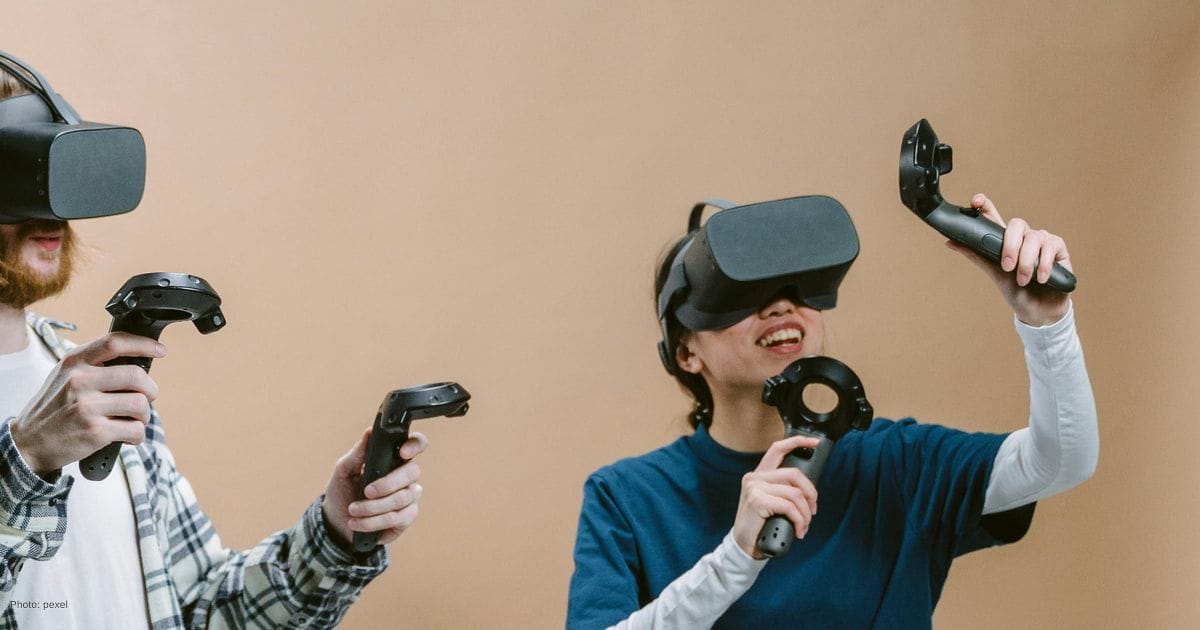
Wearable technology revolutionises gaming experiences
The world of gaming is shifting from screens and controllers to something far more personal. Wearable devices are changing how players move, feel, and interact inside digital worlds. What once seemed like science fiction is now part of everyday play. Headsets, smart gloves, and sensor-filled suits are redefining how stories unfold on screen.
Industry analysts say this shift is changing more than entertainment. It is also influencing health and professional training. Lighter and more responsive hardware is driving this change. Players can now move freely without heavy equipment. Digital environments react instantly to their actions. These improvements make immersive spaces feel more natural and connected to the human body.
Key Takeaways
Wearable technology is revolutionizing the gaming industry by transforming how players interact with digital worlds through devices like headsets, smart gloves, and sensor-filled suits.
- Wearable gaming devices are enhancing immersion and interactivity, enabling natural and responsive movement within digital environments.
- Health and professional training are being positively impacted by wearable technology, with applications in fitness tracking, biometric monitoring, and rehabilitation.
- Despite promising advancements, challenges such as high costs, privacy concerns, and technical reliability need to be addressed for widespread adoption.
Early innovations shape modern devices
The journey began decades ago with experimental devices such as the Nintendo Power Glove, which introduced gesture-based control in the late 1980s. Though limited in accuracy, it signaled a bold idea: players could control games with natural movement. The concept stayed alive as motion sensors and processors improved over time.
A major turning point arrived in the 2010s with the release of the Oculus Rift. Virtual reality headsets demonstrated that immersion could extend beyond flat displays. Soon after, devices such as the PlayStation VR brought similar experiences to console users, widening public access.
Today, companies including Sony, Microsoft, and Meta are investing heavily in wearable systems. Full-body suits like the Teslasuit deliver tactile feedback, while smart glasses such as HoloLens 2 blend digital objects with physical surroundings. These advances show how game development increasingly depends on hardware innovation.
Health benefits and future challenges
Wearable devices are also reshaping how players move. Virtual reality titles now require jumping, dodging, and stretching. This shift challenges the belief that gaming encourages inactivity. Fitness-focused titles turn workouts into interactive adventures, tracking calories and heart rate through built-in sensors.
Biometric monitoring opens new opportunities beyond play. Competitive esports teams use wearable trackers to measure stress and focus during tournaments. Data collected from these devices can improve training methods and recovery plans. Hospitals and therapy centres are also exploring virtual systems to support rehabilitation programs.
However, obstacles remain. High costs limit access to premium gear. Privacy concerns continue to grow because wearables collect sensitive data, including movement patterns and vital signs. Developers must also address comfort, battery life, and technical reliability before widespread adoption becomes possible.
Future growth of wearables
Wearable technology continues to advance at a steady pace, reshaping how interactive systems respond to human movement and behavior. Engineers are refining sensors to detect smaller gestures and subtle physical signals with greater accuracy. Faster wireless connections now reduce delays, making virtual environments react almost instantly. These improvements help digital spaces feel smoother and more lifelike. As hardware becomes more precise, the gap between physical action and digital response shrinks.
Industry analysts believe the next generation of devices will be lighter and more comfortable for extended use. Safety standards are also improving as manufacturers test materials and battery systems more rigorously. Lower production costs could eventually make advanced wearables accessible to a broader audience across global markets.
If development continues at its current pace, wearable systems may define the next chapter of interactive media. Storytelling could become more physical, responsive, and emotionally engaging.

Kanishma Ray
Kanishma Ray is an entertainment and anime content writer, who's known to play a mean violin (decently, that is). She's an engineering student by day and a wordsmith by night, with a knack for crafting engaging and helpful content that her readers love. When she's not busy writing, you can find her nose buried in a book or controller in hand, consuming media like it's her job (oh wait, it is).
View all articles