
Why virtual reality feels like the next big screen
Virtual reality is no longer a far-off idea reserved for sci-fi movies and tech demos. It is quietly reshaping gaming and entertainment by turning the screen into a place people can step into. That shift changes more than visuals because developers build games differently, creators stage stories with intention, and audiences connect more deeply. Instead of watching action unfold at arm’s length, users feel surrounded by it.
Key Takeaways
Virtual reality is transforming gaming and entertainment by making the screen a place users can step into, enhancing immersion and interaction.
- Virtual reality shifts the gaming experience from a passive to an active one, where players can interact with a digital world more naturally.
- Advancements in technology, such as sharper displays and improved tracking, are making VR more accessible and comfortable for a wider audience.
- VR is redefining entertainment by creating shared digital environments that enhance communal experiences and require new storytelling techniques.
From screen to space
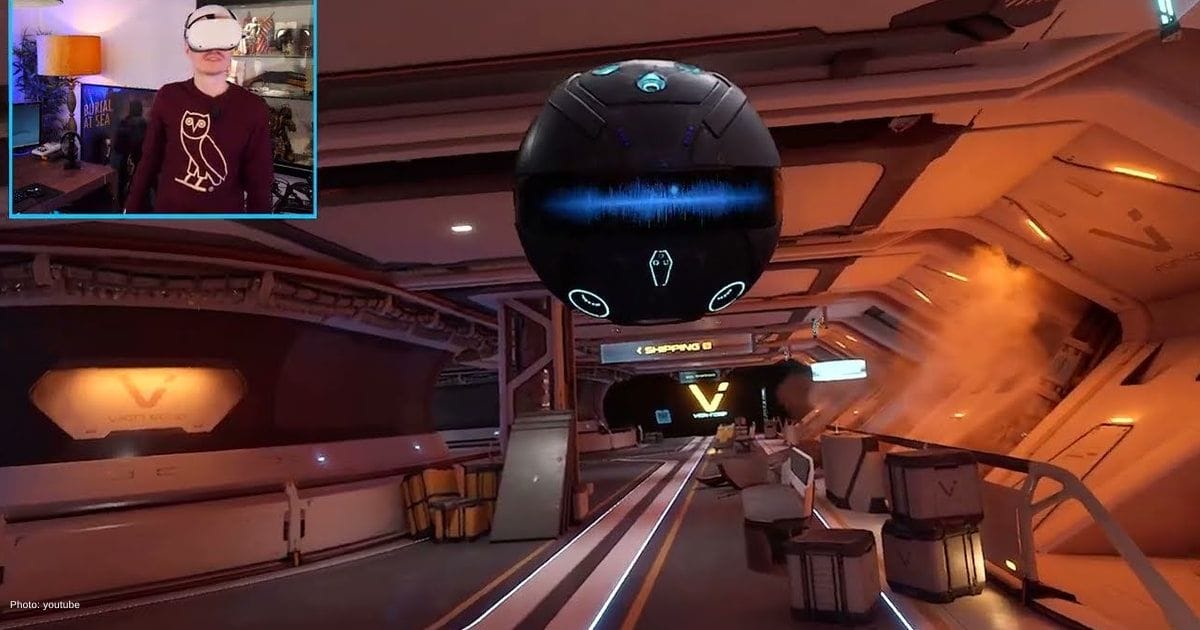
In traditional gaming, the screen is a frame. In VR, the frame falls away. A player does not just steer a character. They glance over a shoulder, lean in to inspect details, and reach out as if the digital world has texture. It can feel surprisingly natural once the body adjusts. Games such as Beat Saber and Half-Life: Alyx helped prove the point, showing VR can deliver both quick, joyful play and rich, story-driven design.
The technology has earned that confidence through real improvements. Sharper displays reduce eye strain. Tracking is more accurate, so hands land where the brain expects them to. Spatial audio makes footsteps and echoes feel placed in space, not pasted on top of sound. Standalone headsets have also made entry simpler, so more people can try VR without building an expensive setup.
For game development teams around the world, the work becomes more human and less mechanical. Comfort is part of the design brief. Movement has to feel intuitive. Menus cannot behave like old flat overlays, because anything awkward breaks the spell. When it all clicks, though, gaming stops feeling like something watched and starts feeling like something lived.
The new big screen
VR’s pull does not end when the game does. In entertainment, the screen is stretching beyond its usual boundaries and becoming a shared environment. Virtual concerts can bring fans from different countries together in a single digital crowd. Immersive films and 360-degree experiences invite viewers to step into a scene and notice small details they might otherwise miss.
Presence is the secret ingredient. Surrounding sound, depth, and responsive space make moments feel heavier, almost physical. Viewers are no longer just observers. They feel located inside the story, and sometimes they share that space with others through avatars. A laugh, a gasp, or a quiet pause can feel more communal when it happens around you rather than behind glass.
Because audiences can look anywhere, creators have to tell stories with a lighter touch. Too much freedom can scatter attention, while too much control can feel restrictive. Studios and developers are still learning the grammar of immersive entertainment, shaping experiences that feel open while still guiding the heart of the story.
Before VR feels everyday
VR is still growing into its everyday form. Some headsets can feel heavy during long sessions, and motion sensitivity persists for some users. High-quality experiences also demand time, talent, and investment, especially in game development, where interaction design has little room for shortcuts.
Even with those hurdles, the direction feels steady. Devices keep getting lighter. Visual clarity keeps improving. Content libraries keep expanding across gaming and entertainment, with more variety and stronger craft. VR may not replace every traditional screen, but it is redefining what a screen can be. It feels like the next big screen by turning stories into places people enter, explore, and share.

Kanishma Ray
Kanishma Ray is an entertainment and anime content writer, who's known to play a mean violin (decently, that is). She's an engineering student by day and a wordsmith by night, with a knack for crafting engaging and helpful content that her readers love. When she's not busy writing, you can find her nose buried in a book or controller in hand, consuming media like it's her job (oh wait, it is).
View all articles