
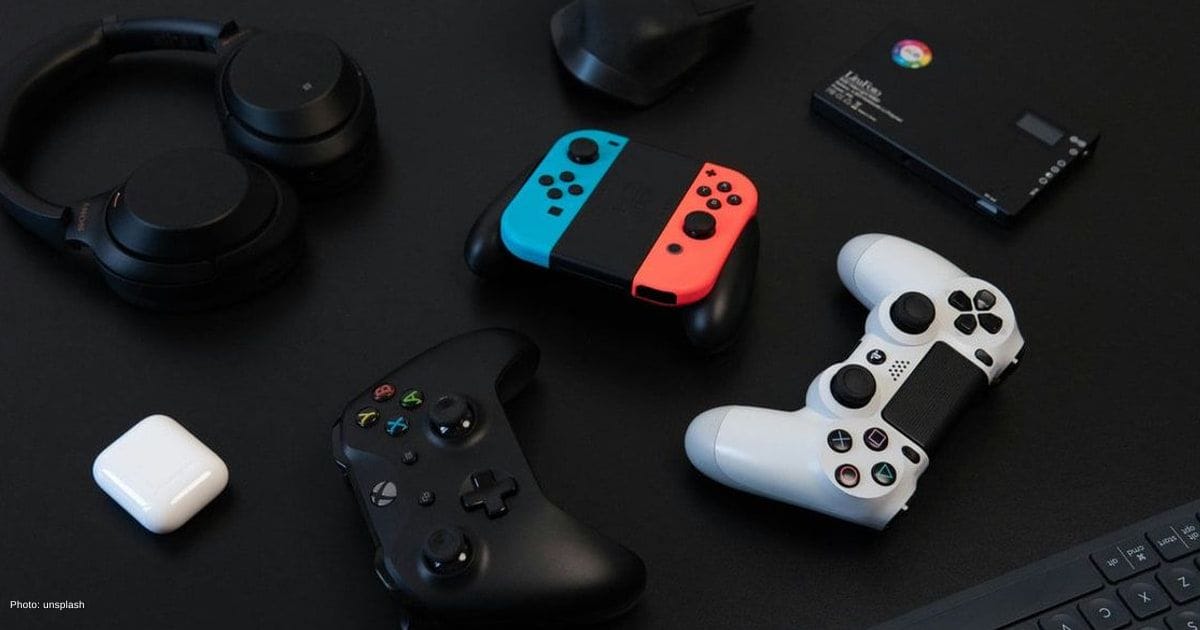
What rising component costs mean for next-gen console prices
Next-generation console pricing is getting harder to predict before companies even reveal the hardware. Rising memory and storage costs, driven in part by demand for AI infrastructure, are putting fresh pressure on the components behind modern gaming systems.
That does not guarantee a higher launch price. Still, it does mean Sony, Microsoft, and other hardware makers must balance power, affordability, and long-term entertainment value more carefully than ever.
Key Takeaways
Rising costs of memory and storage components are putting pressure on next-generation console pricing, forcing companies like Sony and Microsoft to carefully balance power, affordability, and long-term value.
- The increase in DRAM and NAND contract prices due to server demand is making core components for gaming systems more expensive.
- Console manufacturers face trade-offs such as absorbing costs, reducing storage, or relying more on services to manage higher component costs.
- Pricing decisions for next-gen consoles are made years in advance, considering various factors including performance targets, backward compatibility, and long-term player engagement strategies.
Why core components are getting pricier
Memory is the clearest pressure point. TrendForce reported that DRAM and NAND contract prices rose in early 2026 as server demand tightened the supply. Consoles depend on fast memory and solid-state storage for smoother gameplay, quicker loading, and larger game worlds, so those changes matter beyond the component market.
The cost problem does not stop with chips. Cooling, controllers, power delivery, packaging, and shipping all add weight to the final bill. Once core parts get pricier, every extra feature on a next-generation machine becomes harder to justify at a mass-market price.
Pricing pressure appears through trade-offs. A company can absorb some costs, reduce storage, or lean more on services. Each move affects perceived value, and value matters in entertainment hardware because players compare launch prices with those of other consoles and the wider gaming market.
How cost pressure shapes console price planning
That is why pricing decisions begin years before launch. Microsoft said in March 2026 that it is deep in development on its next-generation Xbox, with alpha hardware planned for developers in 2027. Once that stage is underway, cost assumptions are not abstract.
They shape performance targets, backward compatibility, software tools, and design choices that affect game development and broader gaming industry innovations across the platform.
Sony’s framing points the same way. In its Game and Network Services presentation, the company described the PlayStation console as a gateway to long-term player engagement supported by content, services, and peripherals. Launch pricing, therefore, serves a broader strategy. Hardware still carries the brand, but the sticker price has to pull players into an ecosystem built for years of spending.
Market data helps explain the caution. Circana expects U.S. video game spending to reach a record, showing that demand remains resilient, yet hardware buyers remain price-sensitive. In that environment, gaming trends matter as much as raw power. A console that looks advanced but feels poor value can lose momentum quickly, even when broader entertainment spending is healthy.
What the market may reward next
Players should watch memory and storage prices as closely as reveal trailers. If those costs remain elevated through 2026, console makers will have less room to price new systems aggressively. If supply improves, they gain more freedom to offer stronger specifications without pushing affordability too far.
The pressure on component costs is real, but it also creates space for smarter progress. As companies rethink pricing, design, and long-term value, the next phase of gaming could reward the brands that build more thoughtfully, innovate more efficiently, and deliver stronger entertainment experiences at every price point.
In that sense, rising costs may not just reshape console launches. They may help define a more resilient and creative future for the industry.

JC Paredes
Since March 2021, I've worn two hats at Spiel Times: a writer and a Managing Editor. In my writing role, I've earned recognition from Wikipedia and Nev Schulman (Catfish TV Show host) for my insightful analysis and engaging narrative style. I'm passionate about all things gaming, with a keen eye for detail and a knack for uncovering hidden secrets within games. My gaming journey began at a young age, captivated by titles like Resident Evil and Tomb Raider. Today, I enjoy exploring open-world RPGs and MMORPGs, consumed by their lore and crafting theories about their narratives. I'm also drawn to the suspenseful atmosphere of horror games and the intricate narratives of crime-themed titles, bringing a unique perspective to my writing. Beyond gaming, I have a fascination with anything unexplained and chilling, a passion that often spills over into my exploration of horror games. When I'm not engrossed in a virtual world, you can find me curled up and spending time with my adorable doggy sidekick, Teemo. As Managing Editor, I'm committed to fostering a collaborative and supportive environment for our writing team. I communicate openly with my team members, addressing any content-related issues and providing guidance to help them excel.
View all articlesRelated Articles
View All
Top PS5 Pro Games Optimized for Next-Level Performance
As the PS5 Pro makes its debut, players are eager to see how their favorite titles have been enhanced to...

Death Note: Unleash the Killer Within – Arrives on PS Plus!
Death Note fans, brace yourselves for a thrilling ride as Death Note: Killer Within debuts on PlayStation Plus! This new...
Shinji Mikami Praises Resident Evil 4 Remake, Calling it a “Masterpiece”
The celebrated game designer Shinji Mikami recently shared his admiration for the Resident Evil 4 remake, crediting the game’s developers...