
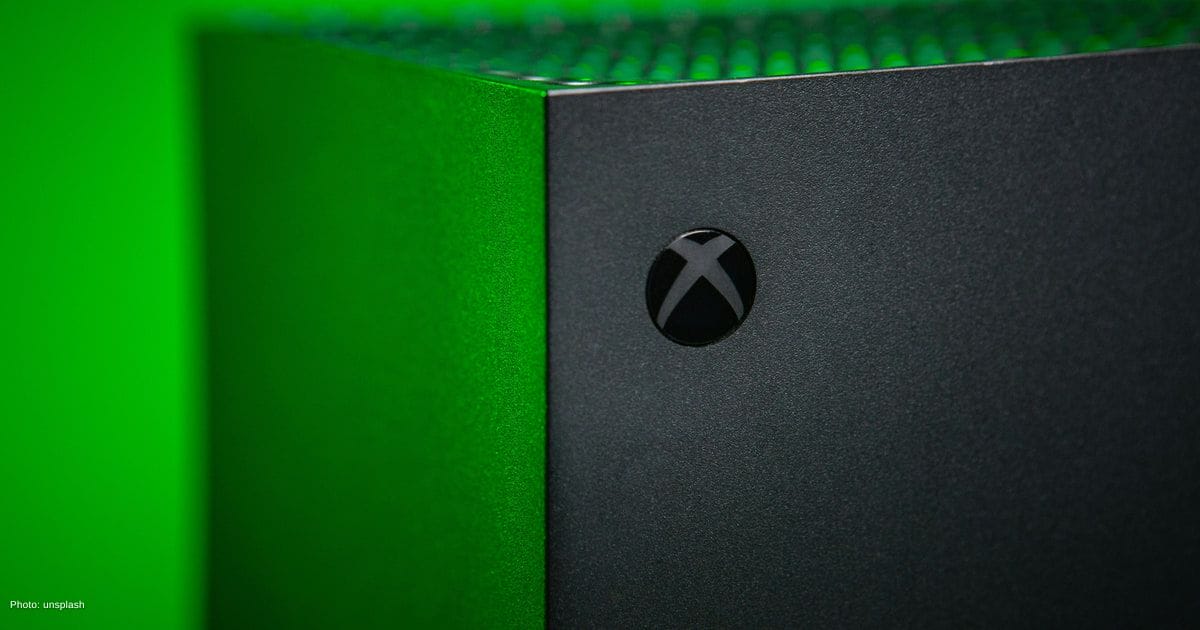
Xbox Project Helix unveiled with AI rendering, massive AMD performance upgrade
Microsoft has shared new details about Project Helix, the platform expected to power the next generation of Xbox hardware. During the 2026 Game Developers Conference, Xbox hardware chief Jason Ronald said the system will bring major improvements to graphics, AI-assisted rendering, and cross-platform game development.
The project is part of a long-term partnership between Microsoft and AMD aimed at improving how games run across consoles and PCs. At the center of Project Helix is a custom AMD system-on-chip (SoC) developed through a multi-year co-engineering partnership.
According to Xbox, the chip delivers an “order of magnitude” increase in performance compared with current systems. This leap comes from improvements in both raw processing power and advanced rendering techniques that allow developers to build larger, more complex game worlds without sacrificing performance.
Key Takeaways
Microsoft unveils Project Helix, the next-generation Xbox platform powered by AMD, promising significant performance boosts and advanced AI rendering capabilities.
- Project Helix features a custom AMD system-on-chip (SoC) that delivers an ‘order of magnitude’ performance increase over current systems, with enhanced graphics and neural rendering technology.
- FSR Diamond, a new upscaling system, combines neural rendering and machine-learning upscaling to improve visual quality while maintaining high frame rates, supporting advanced techniques like ray regeneration.
- Microsoft aims to streamline cross-platform development with a single build system for Windows and Xbox environments, and explores Quick Resume for PCs to allow instant switching between games.
Advanced graphics and neural rendering technology
The Helix platform is being built alongside next-generation graphics technologies, including the next version of DirectX and AMD’s FidelityFX Super Resolution tools. Reports also mention an experimental testing chip called Magnus used during development. Prototype hardware is designed to handle demanding tasks such as advanced ray tracing, large-scale physics simulations, and AI-based rendering.
Xbox says Helix will significantly expand ray tracing capabilities, delivering far higher performance while integrating AI processing directly into the graphics pipeline. This integration allows the console to generate more detailed lighting, reflections, and environmental effects while maintaining efficiency.
A key feature of Project Helix is neural rendering, powered by a dedicated neural processor integrated into the chip. This component accelerates machine-learning tasks related to graphics, such as image reconstruction, frame generation, and advanced lighting calculations. AMD also introduced a new upscaling system called FSR Diamond, designed specifically for Helix hardware.
Building a cross-platform Xbox future
FSR Diamond combines neural rendering, machine-learning upscaling, and multi-frame generation to improve visual quality while maintaining high frame rates. The technology also supports advanced techniques like ray regeneration, which improves the performance of ray tracing and path tracing workloads without requiring extreme hardware power.
Microsoft plans to deliver alpha developer kits in early 2027, giving game studios time to begin optimizing titles for the new platform. The company is also focusing heavily on reducing barriers between console and PC gaming. Helix development tools will support both Windows and Xbox environments through a single build system, allowing developers to create games more efficiently while reaching a wider audience.
Another goal is creating a unified Xbox ecosystem across devices. Microsoft has already begun testing this idea with an Xbox-optimized mode for Windows 11, which introduces a controller-friendly full-screen gaming interface while maintaining the flexibility of a PC operating system.
Faster game access and library support
Additional features include pre-compiled shaders that download with the game instead of compiling during the first launch. This can reduce startup times and help players get into the entertainment faster. Microsoft is also exploring bringing Quick Resume to PC so players can switch between multiple games instantly.
Project Helix is also expected to maintain backward compatibility with existing Xbox libraries through lightweight emulation. Older games may even benefit from neural rendering improvements that enhance resolution, lighting, and performance.
While Microsoft has not confirmed a release date for the next Xbox console, the arrival of developer kits in 2027 suggests a launch sometime between late 2027 and 2028.

Bipradeep Biswas
Bipradeep Biswas is an undergraduate student majoring in Computer Science and Engineering. He has a passion for anime and gaming, which he enjoys in his free time. Recently he has started writing articles for Spiel Times. In addition to his love of writing, he is fascinated by new technologies as well as possesses an insatiable curiosity for the mysteries of the universe and beyond.
View all articles
NVIDIA SHIELD levels up stability as cloud gaming reaches more screens
NVIDIA’s latest SHIELD TV refresh arrives as GeForce NOW expands to more screens. SHIELD Experience Upgrade 9.2.4 targets the issues...

If Everything Sounds Real, What Actually Is? Living in the Era of AI Generated Content
The Illusion of Effortless Authenticity Scroll through your news feed, open a blog post, read a product review, or skim...

How AI Is Changing What We Read and Why Detection Tools Matter More Than Ever
A New Reading Environment Takes Shape The way people read online is undergoing a quiet but profound transformation. Artificial intelligence...