
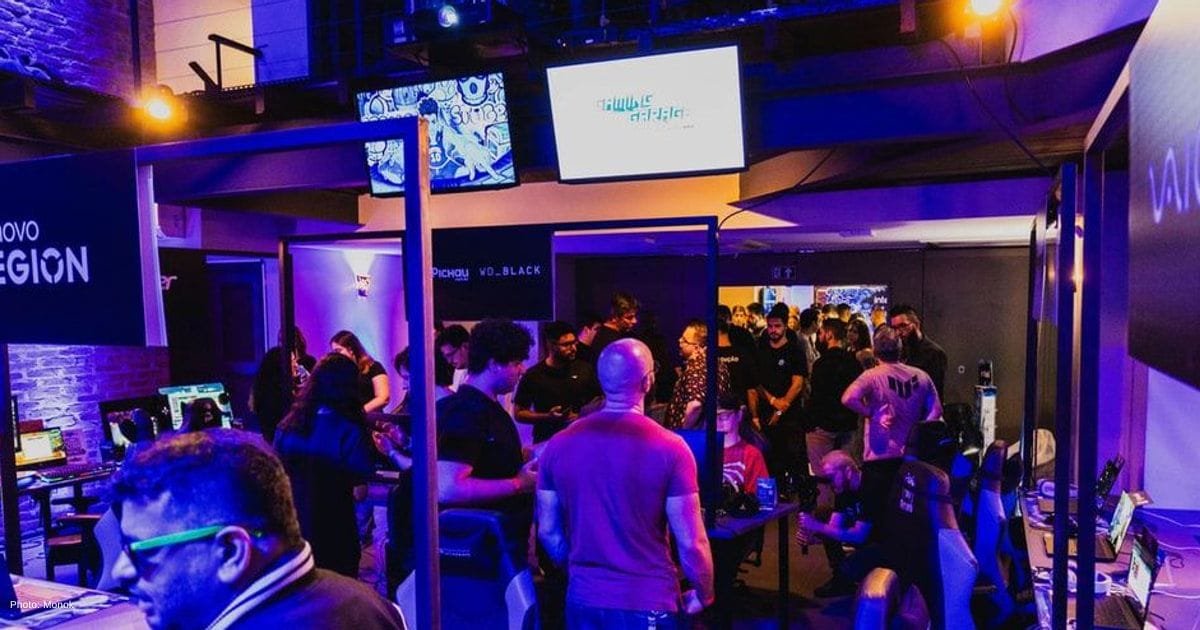
The changing world of gaming: From spectator sport to immersive entertainment
Crowds once gathered quietly around arcade machines and home consoles after school. Today, stadium lights surround professional players during massive international gaming competitions. Producers now treat competitive matches like primetime television events with celebrity guests. This shift has transformed gaming into mainstream entertainment with broader cultural influence worldwide.
Major studios also monitor successful franchises for future television and film adaptations carefully. Streaming services compete aggressively for recognizable stories with loyal audiences across different markets. Analysts believe these projects reduce financial risks during uncertain entertainment production cycles today. Modern audiences now expect connected experiences between films, television, live events, and gaming.
Key Takeaways
The gaming industry has evolved into a mainstream form of entertainment with cultural influence, featuring large-scale esports events and cross-media adaptations.
- Esports events are now designed as immersive experiences that attract broad public audiences with elements like orchestras and celebrity appearances.
- Major studios and streaming services are actively pursuing game-based television and film adaptations due to their strong global streaming numbers and fan engagement.
- Technology originally developed for gaming is being integrated into film and television production, enhancing visual effects and reducing costs.
Esports become massive public attractions
Last summer, thousands traveled across cities for large esports festivals and interactive showcases. Visitors attended tournaments, music performances, cosplay events, and developer presentations during packed weekends. Organizers redesigned traditional competitions into immersive experiences for broader public entertainment audiences everywhere. These changes reflect growing gaming trends that extend beyond professional matches and rankings.
Broadcasters have improved esports coverage to match the style of major international sports events. Tournament productions now include dramatic introductions, player interviews, celebrity appearances, orchestras, and cinematic lighting. These elements make competitive gaming more engaging and accessible for casual viewers unfamiliar with advanced gameplay mechanics.
Industry executives believe younger audiences prefer shared digital experiences over traditional television programming today. Fans frequently create social media discussions while watching tournaments through multiple streaming platforms simultaneously. Event organizers carefully study audience behavior before designing future attractions around community participation and engagement. Their strategy highlights continuing game development efforts focused on social interaction and accessibility.
Studios chase expanding gaming narratives
Film studios once avoided video game adaptations because many early projects failed with critics and audiences. That perception changed after several successful series attracted strong global streaming numbers and loyal fan attention. Executives now view gaming franchises as reliable entertainment properties with long-term storytelling potential.
Modern games already feature emotional characters, layered conflicts, and detailed fictional worlds suited for television adaptations. Writers often compare today’s gaming narratives to prestige drama series because storytelling quality has improved significantly. These developments encourage publishers to support cinematic game development and larger cross-media entertainment projects.
Publishers now prefer co-production partnerships instead of simple licensing agreements with outside entertainment companies worldwide. Shared deals allow studios and developers to profit from successful adaptations, merchandise sales, and future releases together. This strategy reflects broader gaming trends that continue reshaping modern media and creative business models.
Technology connects creative entertainment industries
Filmmakers increasingly use tools created for game development during modern television and film productions worldwide. Virtual production technology helps studios build realistic digital environments while reducing expensive filming costs. Experts view this collaboration as another major step forward in ongoing gaming industry innovations and entertainment technology.
Procedural design technology has transformed how visual effects teams create large digital worlds for modern productions. Earlier methods demanded long hours of manual design work from artists and editors. Today’s software automates parts of production while supporting creativity, strengthening collaboration between entertainment companies and independent gaming studios.
Analysts expect deeper partnerships between studios, publishers, and streaming platforms in the coming years. Younger audiences already spend significant time in virtual gaming communities and online social spaces daily. Experts believe these habits will continue shaping entertainment strategies, advertising trends, and future investment decisions.

Kanishma Ray
Kanishma Ray is an entertainment and anime content writer, who's known to play a mean violin (decently, that is). She's an engineering student by day and a wordsmith by night, with a knack for crafting engaging and helpful content that her readers love. When she's not busy writing, you can find her nose buried in a book or controller in hand, consuming media like it's her job (oh wait, it is).
View all articlesRelated Articles
View All
A Look at Street Fighter: Ryu vs Ken in the Upcoming Live-Action Movie
Video game adaptations have become a major part of modern entertainment, giving familiar characters another chance to reach audiences beyond...

The Witcher Creator Isn’t Done With Geralt as New Novel Enters Development
Geralt of Rivia might be stepping aside in the next major Witcher game, but his story on the page is...
Nintendo Gives Mario Kart Tour One Last Victory Lap Before Shutdown
Mario Kart Tour is heading into its final lap after nearly seven years on mobile. Nintendo has begun one last...