
AI Lowers Game Development Barriers for a New Wave of Creators
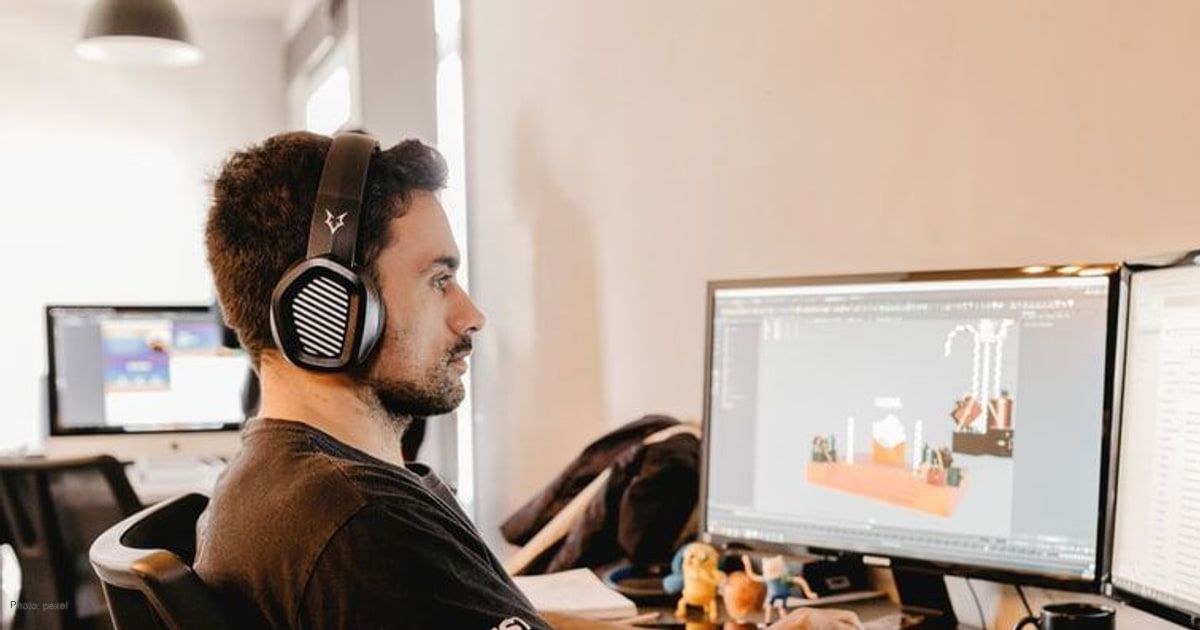
At Shanghai’s 23rd ChinaJoy, artificial intelligence was not simply demonstrating what machines could do. It was showing what smaller teams and first-time creators might now achieve. Nearly 900 exhibitors presented tools for coding, art, audio, testing, operations, and interactive characters under the “Level Up with AI” banner, revealing a future in which game creation becomes faster and more accessible without diminishing human judgment, originality, or creative purpose.
Key Takeaways
Artificial intelligence is significantly lowering barriers in game development, enabling smaller teams and new creators to produce games more efficiently and accessibly, while raising important ethical considerations.
- AI tools are democratizing game creation by reducing costs and complexity, allowing individuals and small teams to develop games with fewer resources and in shorter timeframes.
- AI streamlines various aspects of game development, from art and coding to testing and marketing, leading to significant efficiency gains even within larger studios.
- While AI empowers a new wave of creators, it also introduces ethical challenges regarding authorship, employment, and intellectual property that require careful human oversight and accountability.
AI cuts the cost and complexity of game creation
ChinaJoy highlighted AI’s growing practical role in production. AI systems now support planning, visual development, programming, testing, marketing, customer service, and player-facing features. By reducing repetitive work and shortening prototype cycles, these gaming industry innovations can lower production demands while giving creators time to test mechanics, revise ideas, and improve player experience.
Platforms such as X.D. Network’s TapTap Maker demonstrates how a single interface can combine multiple production tasks. The company said the tool turns text prompts into code, visuals, and audio, and that users created 4,699 works within six months, mostly as first-time developers.
These gains are appearing inside larger studios. Century Huatong reported 60 to 80 percent art-production efficiency improvements, while 37 Interactive Entertainment said AI-assisted 2D assets exceeded 80 percent of its output. The figures point to gaming trends favoring supervised iteration.
Small teams and new creators enter the industry
Those efficiencies matter most when resources are limited. Miaojito, an AI-focused studio with six or seven employees, estimated that its project could require at least 20 people without AI. The team built a Python pixel demo of Meow Island in roughly half a month, using generated art and music, then collected feedback and developed a Unity version.
The opportunity is extending beyond studios. Two Fudan University management students with no development experience completed Daylight Crown and Night Raven Secret Order in under a month. They designed the framework while AI supported text, artwork, and story events. Computer science student Li Zhen spent about 200 hours building a Chinese Restaurant with assistance for code, images, voices, music, and effects.
Together, these examples make game development feel less closed. Yet access brings responsibilities that tools alone cannot settle. GDC’s 2026 survey found 36 percent of professionals used generative AI at work, while 52 percent believed it was harming the industry. Concerns include authorship, employment, intellectual property, quality, and trust. Gaming industry innovations must keep people fully accountable for consent, standards, and player experience.
Human imagination will shape the next creative wave
This transformation is unfolding within China’s expanding games market, though its growth cannot be attributed solely to AI. China’s domestic game market generated 188.45 billion yuan during the opening six months of 2026, marking a 12.17 percent year-on-year rise, while overseas sales climbed 30.22 percent to $12.372 billion. Among 22 representative companies surveyed, AI was already being used across planning, art, programming, and testing.
Yet market scale alone will not determine the future of gaming. Tencent executive Yu Ruichao argued that technology should better serve people. By helping smaller teams prototype faster, control production demands, and reach wider audiences, AI could give more original voices room to grow. The industry’s next expansion will come not simply from producing more games, but from empowering more creators to build experiences worth playing.

Marcus Kade
Marcus Kade is Managing Editor at Spiel Times, covering breaking gaming news with a focus on the industry's business side. When not writing, he's probably losing a co-op game to his partner.
View all articlesRelated Articles
View All
Keyboard vs Controller: The Choice That Shapes How Gamers Play
The battle between keyboard and controller continues to shape conversations across gaming communities. As gaming trends evolve, players are discovering...
Wardogs Reaches 2 Million Sales Milestone in Early Access Launch
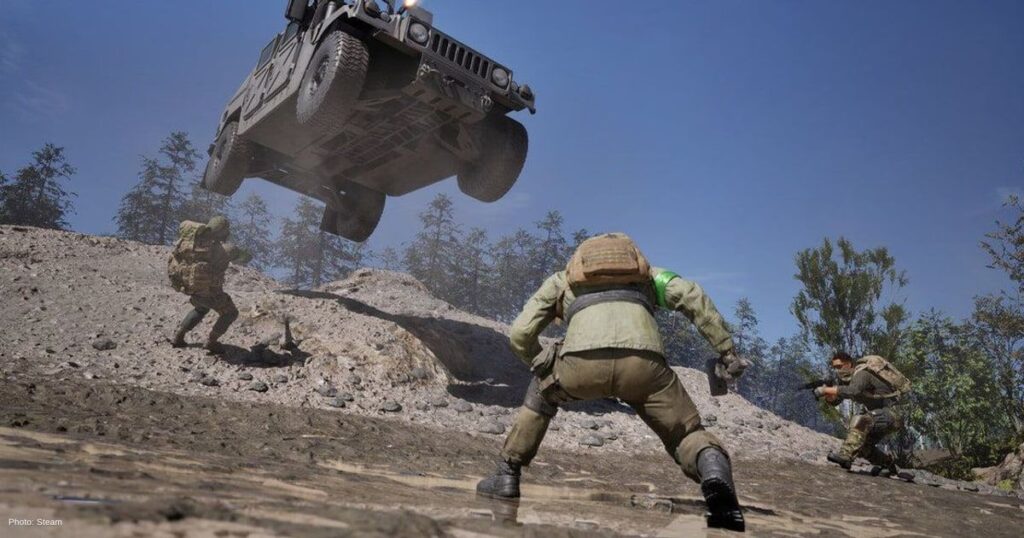
WARDOGS reached a major milestone, surpassing 2 million copies sold less than 5 days after its Steam Early Access launch....

Cloud Gaming Levels Up With a $63 Billion Market Forecast for 2033
Cloud gaming is moving from an intriguing alternative to a pillar of digital entertainment. Grand View Research estimates the market...