Atari’s E.T. Creator Warns AI Game Flood Echoes the 1983 Gaming Crash
If you’ve opened Steam lately and felt like you’re wading through a bargain bin, you’re not imagining it. New games are popping up everywhere, and finding something genuinely worth playing is becoming a challenge. Artificial intelligence is making game development easier, but not everything coming out of it deserves your attention. For one industry veteran, this flood of questionable games brings back memories of a time when the entire industry nearly fell apart.
Key Takeaways
E.T. Atari’s creator Howard Scott Warshaw warns that the ease of AI game development could lead to a flood of low-quality titles, echoing the 1983 video game crash, though he believes a full collapse is unlikely.
- Howard Scott Warshaw, developer of Atari’s E.T., draws parallels between the current ease of AI-driven game creation and the market saturation of low-quality games that led to the 1983 video game crash.
- The rise of AI significantly lowers the barrier to entry for game development, allowing ideas to become playable projects rapidly, but this ease does not guarantee enjoyable or original content.
- While a complete industry crash is not anticipated due to the established nature of the gaming market, Warshaw suggests that platforms will face challenges in differentiating quality games from a potential surge of AI-generated, uninspired titles.
History repeating itself
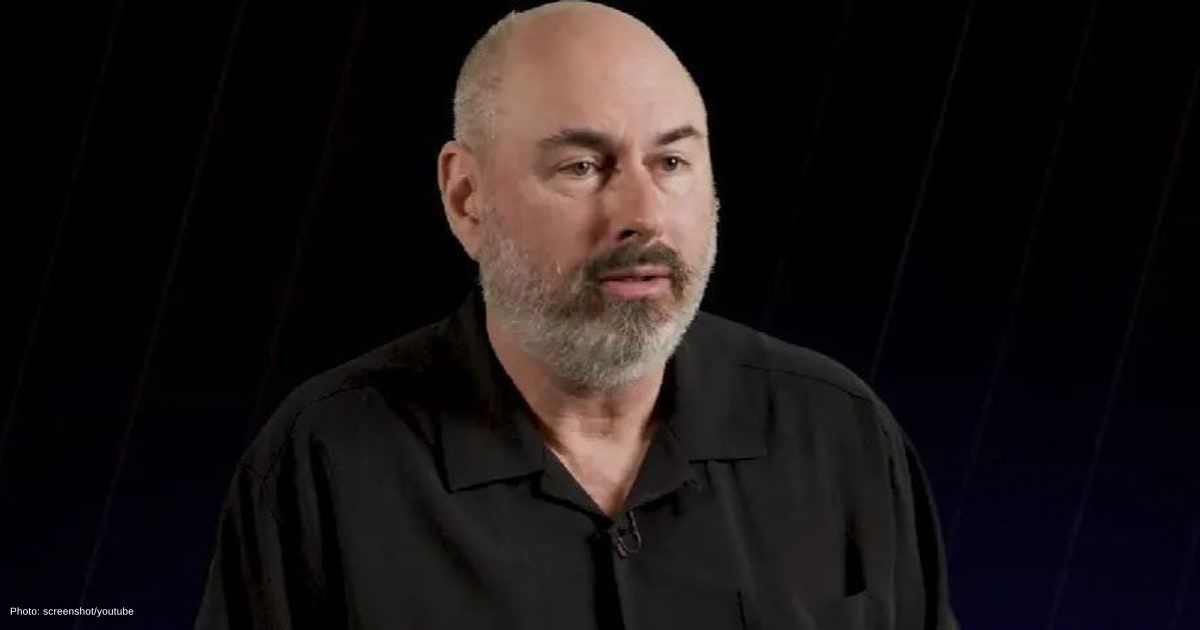
Howard Scott Warshaw, the developer behind Atari’s infamous E.T. the Extra-Terrestrial, knows a thing or two about gaming disasters. During his talk at DevGAMM Lisbon 2026, Warshaw compared today’s gaming trends with the flood of poor-quality titles that contributed to the American video game crash of 1983.
Back then, practically anyone could release a game, creating what Warshaw called a “glut of crap on the market.” Stores became packed with disappointing titles, and even good games struggled to stand out. Players eventually lost confidence, while Warshaw’s own E.T. became a symbol of the disaster. Thousands of unsold cartridges were even buried in the New Mexico desert. Now, he fears AI could create a similar mess, only on a much bigger scale.
AI opens the door to everyone
Creating games once required months or even years of programming. With AI handling much of that work, developers can now turn ideas into playable projects in days. Sounds exciting, right? The problem is that making something playable doesn’t automatically make it enjoyable.
Warshaw believes easier development will bring plenty of forgettable games, but he isn’t entirely against the technology. Creative developers could also use AI to build experiences that might otherwise never exist. For fans following gaming trends, that means more choices, but potentially more disappointment.
Steam struggles to keep up
You don’t have to look far to see why these concerns matter. Steam and other digital storefronts are dealing with growing numbers of AI-assisted games, including copycat projects that offer little originality. Browsing the latest game releases can feel exhausting when dozens of similar-looking titles compete for attention.
Earlier in November, Valve acknowledged delays in approving games because some submissions need repeated checks. The company didn’t blame AI directly, so connecting the two remains speculation. But that doesn’t change the fact that the growing number of games makes trustworthy game reviews increasingly important when deciding what’s worth your money.
Another crash? Not so fast
Despite the similarities, Warshaw doesn’t believe history will repeat itself completely. During the 1980s, investors weren’t even sure video games had a future. Today, they’re an established entertainment industry with millions of dedicated players. Instead of another collapse, he expects a major shake-up in how platforms separate worthwhile games from disappointing ones.
That’s especially important when you’re searching for top upcoming video game releases and don’t want promising titles buried beneath endless copies. AI might make creating games easier than ever, but finding quality entertainment could become the hardest part.

Marcus Kade
Marcus Kade is Managing Editor at Spiel Times, covering breaking gaming news with a focus on the industry's business side. When not writing, he's probably losing a co-op game to his partner.
View all articlesRelated Articles
View All
The Witcher 4 Wins Most Wanted as Gamers Weigh Their 2028 Upgrades
The Witcher 4 has won the Most Wanted Game award at the 2026 Golden Joystick Awards, giving its next chapter...

Unreal Engine 6 Just Broke Up With Blueprints; Ordinary Creators Feel the Sting
Artificial intelligence is changing how video games are made, and even the biggest names in the entertainment industry are feeling...

GTA 6’s 99 Score Arrives as Take-Two Uses AI to Tackle Office Busywork
Grand Theft Auto VI has earned extraordinary reviews, with a 99 Metacritic score and renewed attention for its detailed world....