
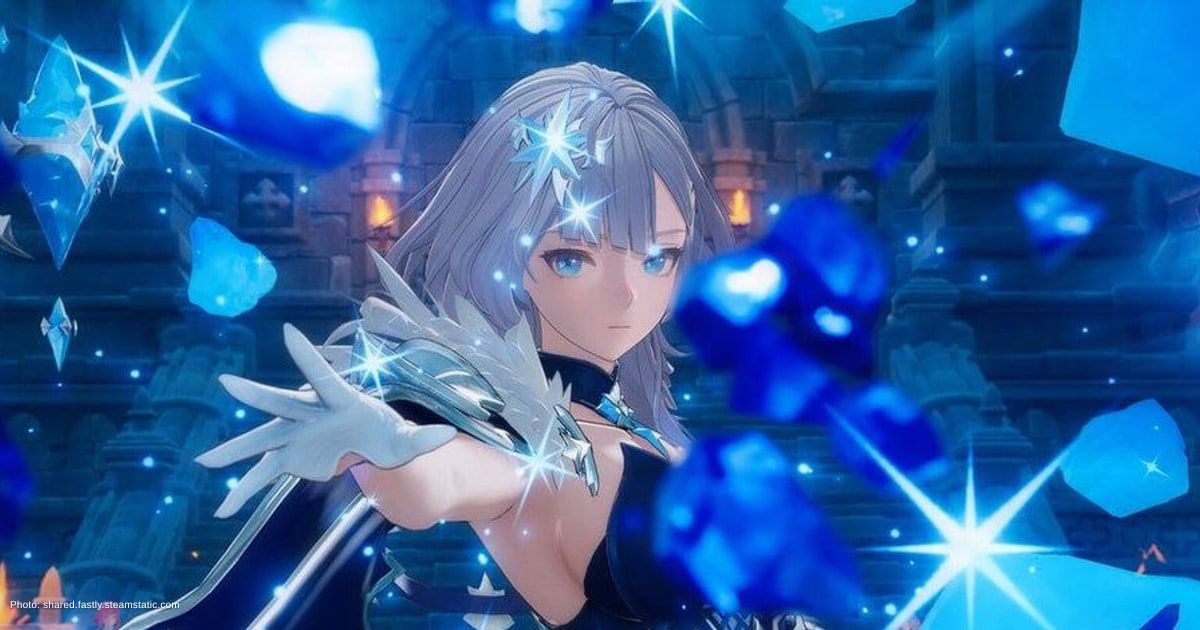
DragonSword: Awakening Signals Demand for Premium RPGs Without Gacha
DragonSword: Awakening arrived at a moment when players were questioning how much an RPG should demand after the initial download. Hound13’s 2026 Steam release drew attention as a $29.99 premium adventure whose main attraction was not a banner, battle pass, or randomized pull. Instead, it offered a complete fantasy journey built around exploration, progression, and the increasingly valuable promise that playing, not spending, would drive the experience.
Key Takeaways
DragonSword: Awakening’s premium, no-gacha model is resonating with players seeking value and ownership in RPGs.
- DragonSword: Awakening’s success highlights a player demand for premium RPG experiences that prioritize gameplay progression over randomized “gacha” mechanics.
- The game’s shift from a potential free-to-play model to a fixed-price ($29.99) premium release demonstrates the appeal of transparent value and player-friendly design.
- In a crowded market, DragonSword: Awakening’s clear value proposition and focus on exploration and progression offer a refreshing alternative, suggesting that fairness can be a significant competitive advantage.
DragonSword rebuilt itself around player-friendly value
The player-friendly version now attracting attention was not DragonSword’s original form. Before its Steam debut, the project followed a complicated path. It was tied to Webzen, launched in South Korea on PC and mobile, and later entered a public publishing dispute. Hound13 then rebuilt the experience for a wider audience.
That pivot matters in game development. A title once associated with free-to-play design became a standalone action RPG centered on outlook, exploration, character switching, and optional co-op. The redesign replaced constant spending pressure with a creative direction built around value.
The change reshaped how players understood the game. For those watching the latest game releases, DragonSword: Awakening looked familiar, but its business model felt refreshing. In a market crowded with acquisition systems, the fixed-price approach gave it a memorable identity.
Why players responded to the no-gacha pitch
That identity helped turn curiosity into meaningful attention among players worldwide. Steam players praised the combat, anime-fantasy presentation, and generous sense of scale, while early coverage highlighted a strong positive reception after launch. The response placed DragonSword: Awakening within wider gaming trends centered on value, trust, and ownership.
The important distinction is not that every player rejects live-service design. Many still enjoy free-to-play ecosystems. Yet this release clearly shows that a visible segment of the gaming audience wants premium RPGs in which heroes, equipment, and progression come from gameplay rather than repeated pulls. That clarity can be powerful in crowded digital storefronts.
That preference becomes clearer when DragonSword: Awakening is compared with other anime-inspired open-world releases. Comparisons to Genshin Impact surfaced because both games share bright worlds, character-driven action, and an emphasis on exploration. Yet DragonSword: Awakening offers a different contract with the player: an upfront purchase, optional extras, and core progress that does not feel locked behind chance.
For entertainment companies studying current gaming trends, that difference is significant. It suggests that fairness can become a promotional advantage, not merely a design principle.
A small game with a bigger industry signal
DragonSword: Awakening should not be treated as proof that the entire RPG market has changed overnight. Its long-term sales, updates, and community health will determine whether its early momentum becomes lasting influence. Still, its reception offers game development teams a lesson: players reward ambition when it respects time, money, and trust. For smaller studios, that credibility can create momentum no oversized campaign can manufacture.
The opportunity is growth. Premium RPGs can expand by pairing creative identity with fair progression and transparent value. If developers follow that path, DragonSword: Awakening may be remembered not as an exception, but as a blueprint.

Marcus Kade
Marcus Kade is Managing Editor at Spiel Times, covering breaking gaming news with a focus on the industry's business side. When not writing, he's probably losing a co-op game to his partner.
View all articlesRelated Articles
View All
Keyboard vs Controller: The Choice That Shapes How Gamers Play
The battle between keyboard and controller continues to shape conversations across gaming communities. As gaming trends evolve, players are discovering...
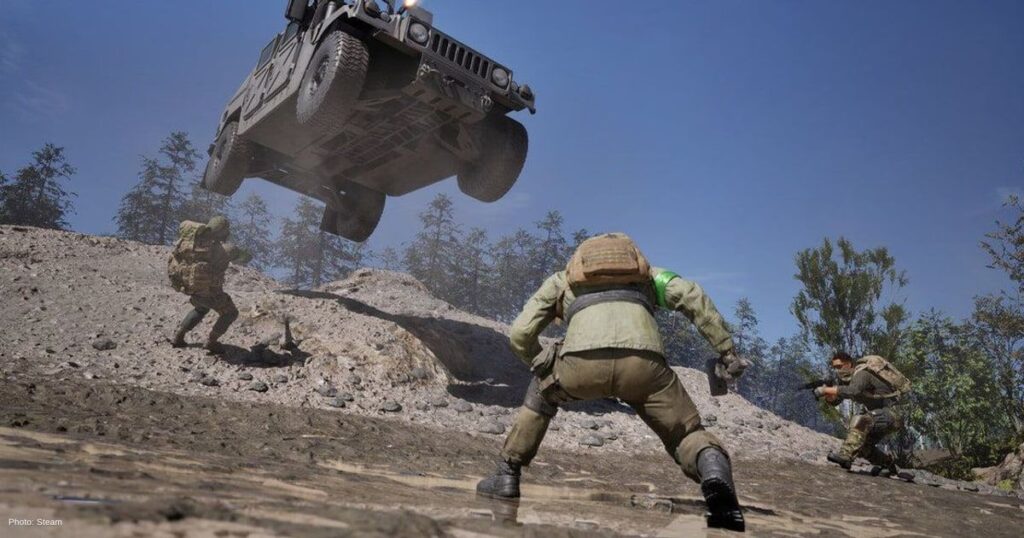
Wardogs Reaches 2 Million Sales Milestone in Early Access Launch
WARDOGS reached a major milestone, surpassing 2 million copies sold less than 5 days after its Steam Early Access launch....

Cloud Gaming Levels Up With a $63 Billion Market Forecast for 2033
Cloud gaming is moving from an intriguing alternative to a pillar of digital entertainment. Grand View Research estimates the market...