
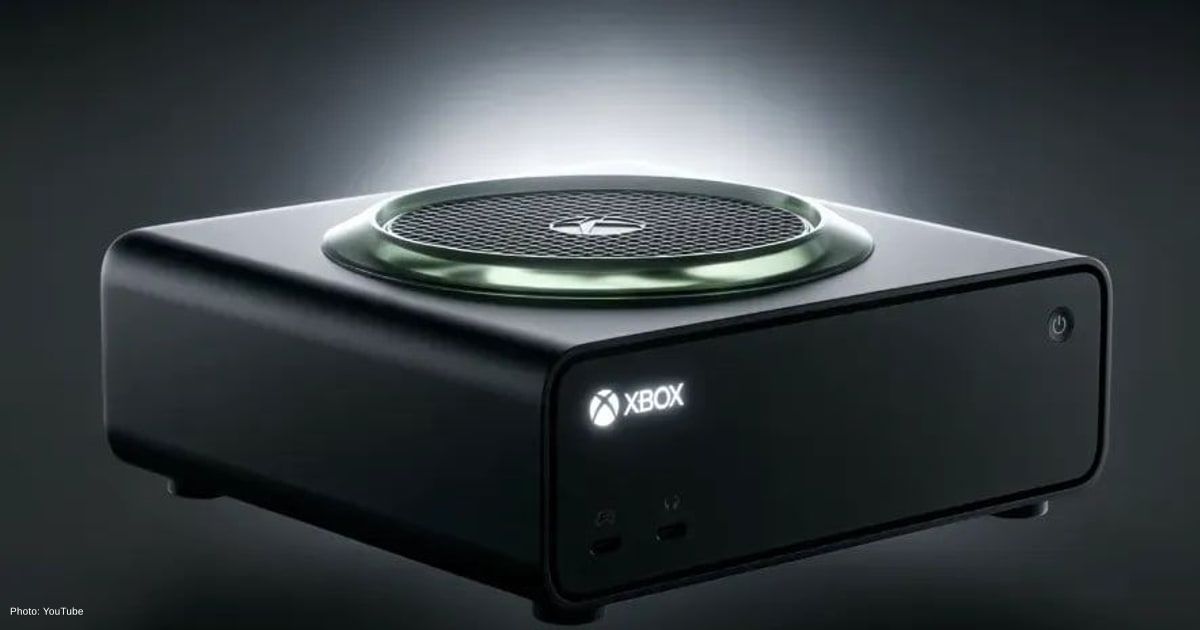
Xbox Project Helix Learns From PCs Without Losing Its Console Identity
Project Helix could change what players expect from Xbox, not by abandoning the console, but by widening the games it can bring into the living room. Microsoft’s next-generation plan pairs familiar console convenience with access to PC games, reflecting changing gaming trends. The challenge is making that flexibility feel natural without asking players to give up the simplicity that defines the Xbox gaming experience.
Key Takeaways
Microsoft’s Project Helix aims to integrate PC gaming into the Xbox console experience by prioritizing a console-first approach, leveraging custom hardware and advanced rendering technologies while maintaining the simplicity of console gaming.
- Project Helix is designed as a console that can play PC games, not the other way around, aiming to keep the living-room experience central and accessible.
- The new Xbox console will feature a custom AMD system-on-chip with advancements in FidelityFX Super Resolution, DirectX, and ray-tracing, alongside a focus on neural rendering for more efficient frame generation.
- Microsoft is prioritizing developer support for Project Helix, with alpha hardware set for release in 2027, to ensure a seamless integration of Xbox and PC games while preserving the console’s identity and user experience.
A console first, with room for PC gaming
Microsoft confirms Project Helix will play Xbox and PC games. Yet Jason Ronald draws a boundary: Helix is a console capable of playing PC games, not a PC running console titles. That keeps the living-room experience at the center.
The design draws on the ROG Xbox Ally and Xbox Mode on Windows, including ways to bring games together and simplify controls. Ronald also describes a system that welcomes enthusiasts who want deeper settings without making every player manage a complicated PC setup.
Details remain unresolved. Microsoft has not named supported PC storefronts or compatible titles. Nor has it explained whether players need separate purchases or how installations will work. Those answers will determine whether the combined library feels seamless or merely places two collections side by side.
The hardware behind Xbox’s hybrid vision
That console-first ambition depends on more than the interface. Microsoft says Helix will use a custom AMD system-on-chip designed for the next generation of FidelityFX Super Resolution and DirectX. It has also promised an order-of-magnitude leap in ray-tracing performance, which can improve lighting, reflections, and shadows. Final specifications and independent tests aren’t available yet. That sets the foundation.
Another priority is neural rendering. Ronald says it could generate frames more efficiently while limiting demands on computing power and memory. That remains a goal, not a full feature list: Microsoft has not detailed the techniques, developer requirements, or expected gains. Its value in real games will depend on image quality, responsiveness, and consistency in actual play.
The approach matters as advanced components and supply pressures complicate next-generation console costs. More efficient rendering could help Microsoft improve visuals without relying solely on larger chips, though it does not guarantee a lower retail price. This is where gaming industry innovations extend beyond raw hardware. Smarter software could give developers more room to balance visual ambition and performance, shaping future game development.
Keeping Xbox’s identity in a changing gaming world
Those choices matter beyond hardware. Microsoft plans to send Helix alpha hardware to developers beginning in 2027, giving studios time to test development tools. If Xbox and PC games become easier to bring across devices, developers could reach more players while preserving a consistent console-first experience.
bring four generations of [his] XBOX library and progression with me and have it available instantly.
Jason Ronald
The key question is whether that choice still feels like Xbox to players. Microsoft wants four generations of games and progression to remain available, but storefront support, compatibility, pricing, and a release date remain unknown. The answers will show whether gaming industry innovations can expand entertainment without making the console harder to use.

Marcus Kade
Marcus Kade is Managing Editor at Spiel Times, covering breaking gaming news with a focus on the industry's business side. When not writing, he's probably losing a co-op game to his partner.
View all articlesRelated Articles
View All
Nintendo’s Black Friday Surprise Makes the Switch 2 Bundle Hard to Ignore
Black Friday is almost here, and Nintendo might have just given you a good reason to hold off on buying...

GTA 6’s Biggest Compromise Has PS5 Pro Owners Questioning Their Purchase
GTA 6 is just days away, and you’d think players would be busy planning their first trip through Vice City....
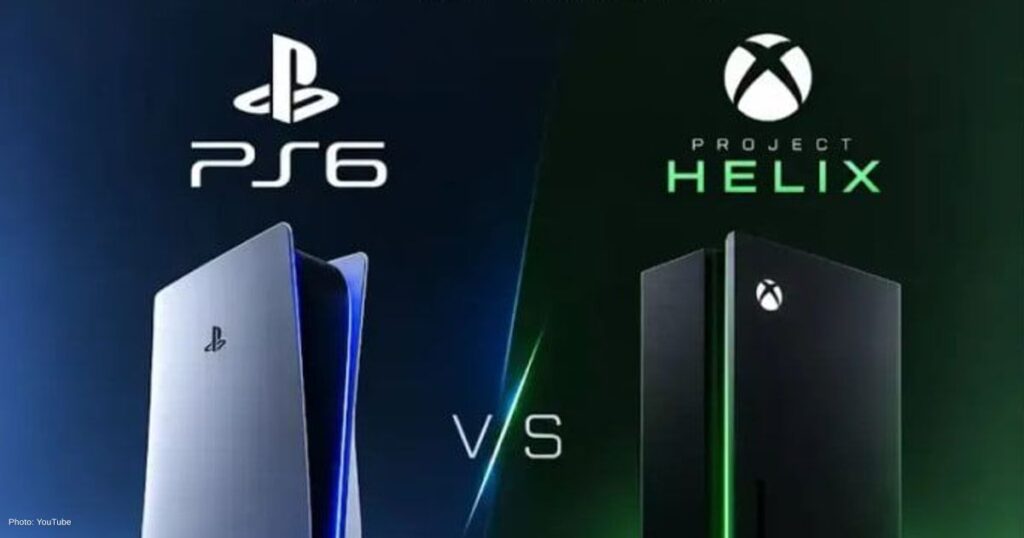
Rising memory costs put PS6 and Xbox Helix pricing under pressure
The next console generation is taking shape as component costs rise. Sony is preparing its next PlayStation platform, and Microsoft...