
eFootball’s Post-Launch Backlash Puts Its Football Legacy at Risk
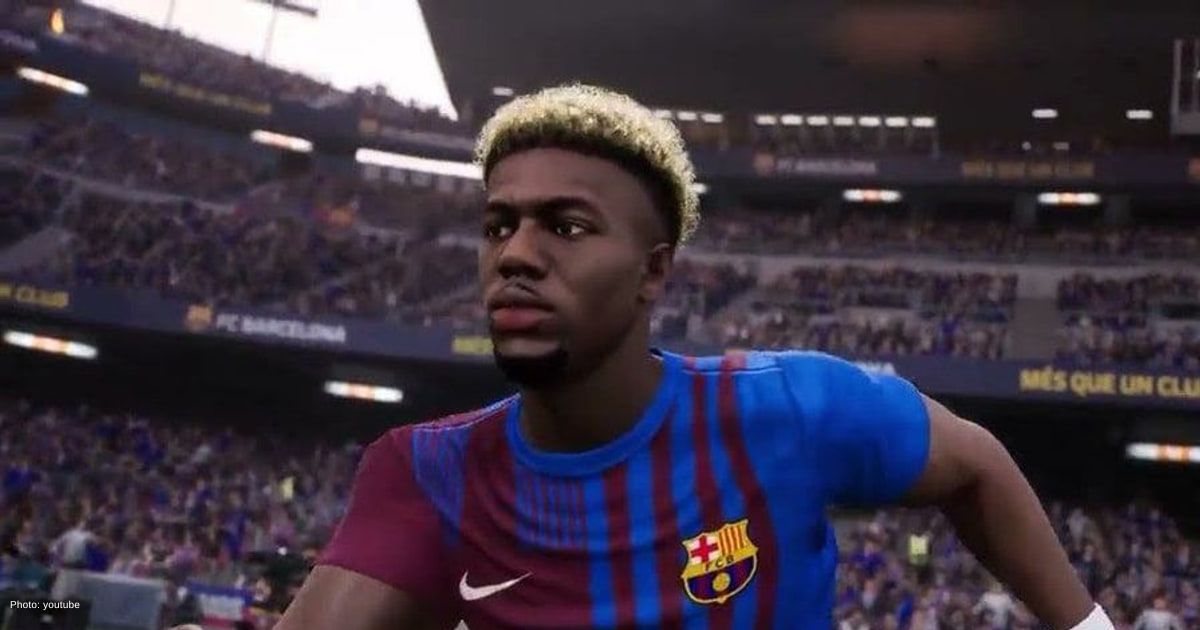
When Konami replaced PES with eFootball 2022, it was not simply changing a familiar name. It was asking a loyal football community to believe that a historic series could survive as a free-to-play, live-service platform. The idea was bold, but the launch exposed a difficult truth: ambition can shake a legacy when polish arrives late, and any comeback must begin with rebuilding trust.
Key Takeaways
eFootball’s transition from PES to a free-to-play live service faced significant backlash due to a flawed launch, jeopardizing its legacy and highlighting the need to rebuild player trust.
- The rebranding of PES to eFootball aimed to embrace the free-to-play, live-service model, but the launch was plagued by technical issues and a lack of content, disappointing long-time fans.
- Criticism focused on visible bugs, awkward animations, and limited gameplay options, undermining the credibility of a franchise with a strong historical reputation.
- eFootball’s recovery hinges on Konami’s ability to consistently improve gameplay, add meaningful content, and demonstrably listen to community feedback to rebuild trust.
A bold rebrand faced high expectations
eFootball 2022 launched on September 30, 2021, as Konami’s successor to Pro Evolution Soccer, first across console and PC platforms. Built with Unreal Engine, it was promoted as a free-to-play football platform that could expand over time rather than rely on the traditional yearly release cycle.
That direction reflected wider gaming trends. Across entertainment, major publishers were moving toward live-service models, seasonal updates, and ongoing communities. Konami wanted eFootball to stand beside the latest game releases while offering a longer-running football experience.
The challenge was emotional as much as technical. PES had built loyalty through tactical gameplay and an identity separate from bigger rivals. For longtime fans, eFootball was not just another release. It was the future of a football legacy they still wanted to believe in.
Why the backlash became more than launch noise
The early version of eFootball 2022 felt limited for a major football simulation. Players encountered a thin selection of modes, restricted offline options, and several features scheduled for later updates. For a brand with decades of credibility, that first impression carried real weight.
Criticism grew because the issues were visible and immediate. Players and reviewers noted awkward animations, visual bugs, unusual facial expressions, and issues with movement and ball behavior. Konami later acknowledged the complaints and promised improvements, turning the game into a public focus on game development recovery.
The backlash did not erase the franchise, but it placed the PES and eFootball names under pressure. In modern game development, players often accept updates after launch, but they expect a strong foundation first.
By 2026, eFootball will remain active across PlayStation, Xbox, Steam, iOS, and Android. Its current focus on the Authentic Team and the Dream Team shows that Konami has not abandoned the project. Instead, it has continued trying to reshape a troubled debut into a longer comeback among the latest game releases.
The comeback depends on rebuilding trust
eFootball’s journey is both a warning and an opportunity. A sports title can recover when updates improve gameplay, content feels fair, and the community sees real listening behind every patch. In global gaming, trust is not rebuilt through promises alone; it is earned through steady progress.
For Konami, the path forward is clear. If eFootball continues to refine its match feel, expand meaningful content, and honor PES heritage, its early backlash can become one chapter rather than the final story. In a competitive entertainment market shaped by gaming trends, the next stage of eFootball’s growth depends on turning hard lessons into a stronger, smarter, and more trusted football experience.

Marcus Kade
Marcus Kade is Managing Editor at Spiel Times, covering breaking gaming news with a focus on the industry's business side. When not writing, he's probably losing a co-op game to his partner.
View all articlesRelated Articles
View All
Keyboard vs Controller: The Choice That Shapes How Gamers Play
The battle between keyboard and controller continues to shape conversations across gaming communities. As gaming trends evolve, players are discovering...
Wardogs Reaches 2 Million Sales Milestone in Early Access Launch
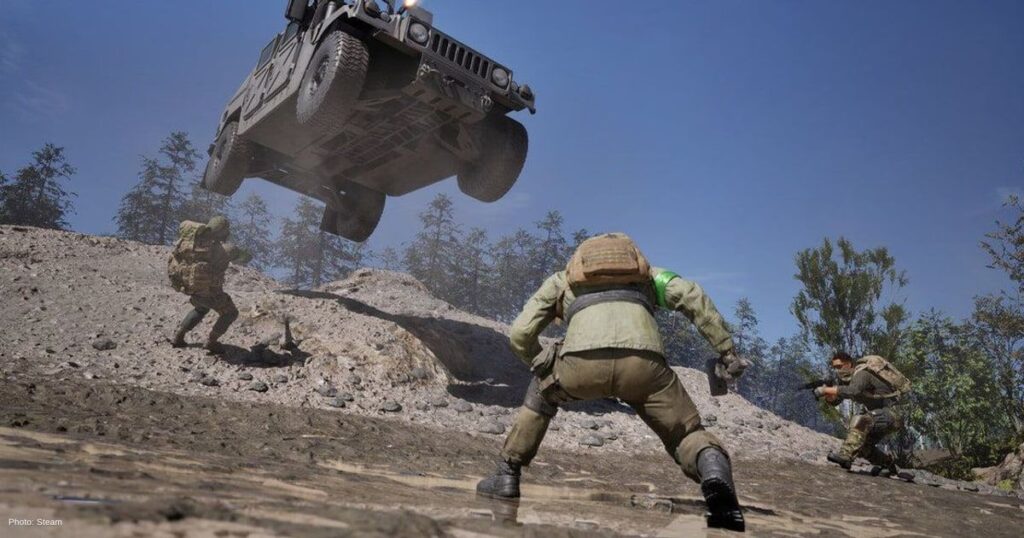
WARDOGS reached a major milestone, surpassing 2 million copies sold less than 5 days after its Steam Early Access launch....
Cloud Gaming Levels Up With a $63 Billion Market Forecast for 2033
Cloud gaming is moving from an intriguing alternative to a pillar of digital entertainment. Grand View Research estimates the market...