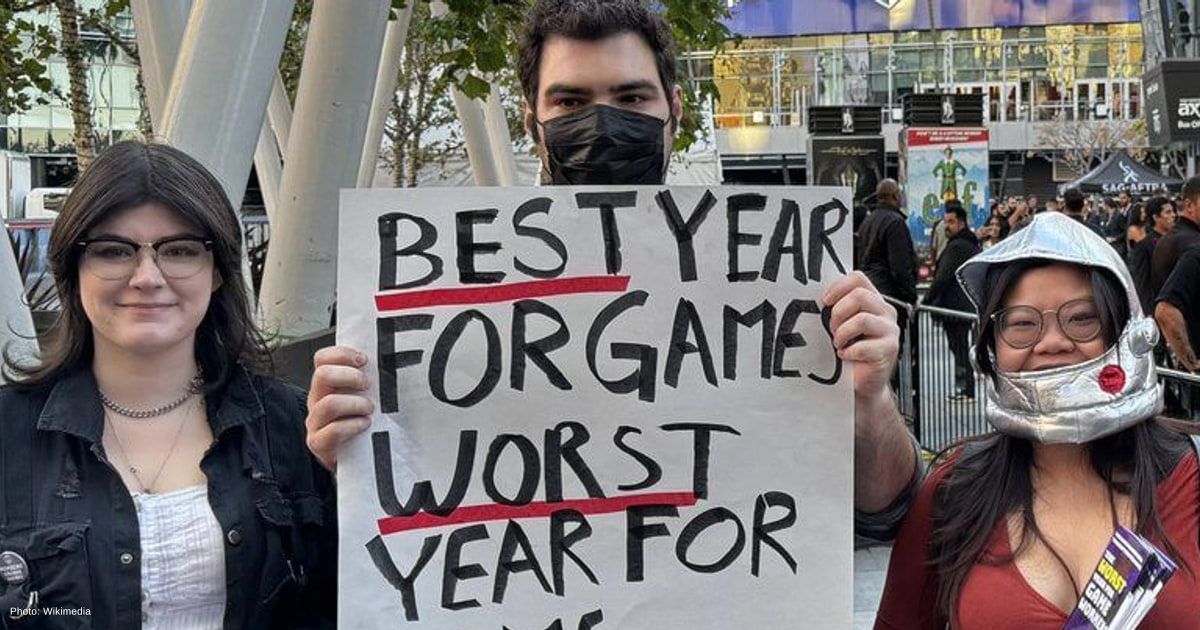
Game Dev Layoffs Rise as Players Help Fund Developers’ Emergency Aid
A $10 game bundle has become an emergency lifeline for developers caught in the industry’s layoff wave. On November 23, 2026, United Videogame Workers-CWA reported distributing $290,000 to more than 150 game workers affected by layoffs. Most of the money came from an itch.io campaign, showing how players help fund emergency relief for game developers facing sudden job losses. The grants met immediate needs, not studio budgets or production costs.
Key Takeaways
A player-funded game bundle provided crucial emergency aid to over 150 game developers facing layoffs, highlighting the industry’s instability and the growing need for worker protections.
- A $10 game bundle, organized by Necrosoft Games and featuring 127 DRM-free titles, raised over $252,000 through itch.io, with 85% of the funds going towards emergency grants for laid-off game workers.
- Recent data reveals significant instability in the game industry, with 34% of developers surveyed having experienced layoffs in the past two years, and many struggling with essential living expenses like rent and medical costs.
- While player support offers immediate relief, the article emphasizes that it is not a substitute for fair severance, lasting worker protections, and reforms to address the root causes of job insecurity in the game development industry.
A player-funded campaign delivers emergency relief
The fund did not finance studio releases. It offered grants to US and Canadian workers who had lost jobs or income. UVW-CWA reported a $1,000 median grant, with the largest payment reaching $5,000, to help recipients cover living expenses while they searched for new work.
Necrosoft Games organized the itch.io bundle, which closed August 14 after raising more than $252,000. Buyers received 127 DRM-free items from 109 creators for at least $10. Director Brandon Sheffield explained:
All money, minus processing fees for itch, goes to out of work game developers to pay for food, housing, healthcare…
Brandon Sheffield, Director of Necrosoft Games
UVW-CWA said the bundle supplied 85% of the fund, membership dues 10%, and other game unions 5%. Player contributions led to much-needed** relief for workers, demonstrating gaming industry innovations in direct support rather than studio financing.
Layoff data shows the human cost of instability
That relief effort reflects a wider employment problem. GDC’s November 2026 State of the Game Industry survey found that 34% of respondents had been laid off within the previous two years, rising to 39% among US respondents. Among laid-off respondents, 54% remained unemployed, while 27% had sent at least 100 job applications.
The hardship fund’s application data adds a household-level view. Of applicants, 68% requested rent assistance, 29% needed help with medical expenses, and 18% were receiving food stamps or related benefits. Another 32% had worked in games for more than a decade, showing that long experience did not shield workers from sudden financial pressure.
GDC warns that its survey drew higher participation from people most affected by layoffs, so the results should not be treated as a census of the entire workforce. Even with that limitation, the findings show the strain behind current gaming trends. Job losses can interrupt careers, destabilize households, and disperse experienced teams. Emergency grants can bridge a difficult period, but they cannot replace steady work, fair severance, or lasting protections across studios of every size.
Player support helps, but layoff reform remains essential
The fund’s results also point toward longer-term organizing. UVW-CWA reported that 30% of recipients found jobs after receiving assistance, and more than 75% planned to organize their workplaces. The union says its next priorities include organizing studios, securing layoff protections, and advancing a Game Worker Bill of Rights.
For gaming communities, the campaign shows how support can reach the people behind entertainment and the products they buy. It is one example of gaming industry innovations and gaming trends, but not proof that fan funding can solve industrywide insecurity. Game development still depends on fair conditions and lasting worker protections.

Marcus Kade
Marcus Kade is Managing Editor at Spiel Times, covering breaking gaming news with a focus on the industry's business side. When not writing, he's probably losing a co-op game to his partner.
View all articlesRelated Articles
View All
Where Winds Meet Offers a New Perspective on Nvidia’s DLSS 5
Gaming technology continues to evolve, giving developers new ways to make virtual worlds feel more lifelike. Some of the biggest...

Capcom’s Dinosaur Shooter Is Ironically Facing an Extinction Event of Its Own
There was a time when buying a video game meant having a source of entertainment you could return to whenever...
Pokémon Champions Brings Four New Mega Evolutions and Its First-Ever Balance Patch
Keeping players hooked is a big part of gaming these days, and a fresh update can make an old favourite...