
Skydance Games Layoffs Reveal the Human Cost of Hollywood’s Merger Boom
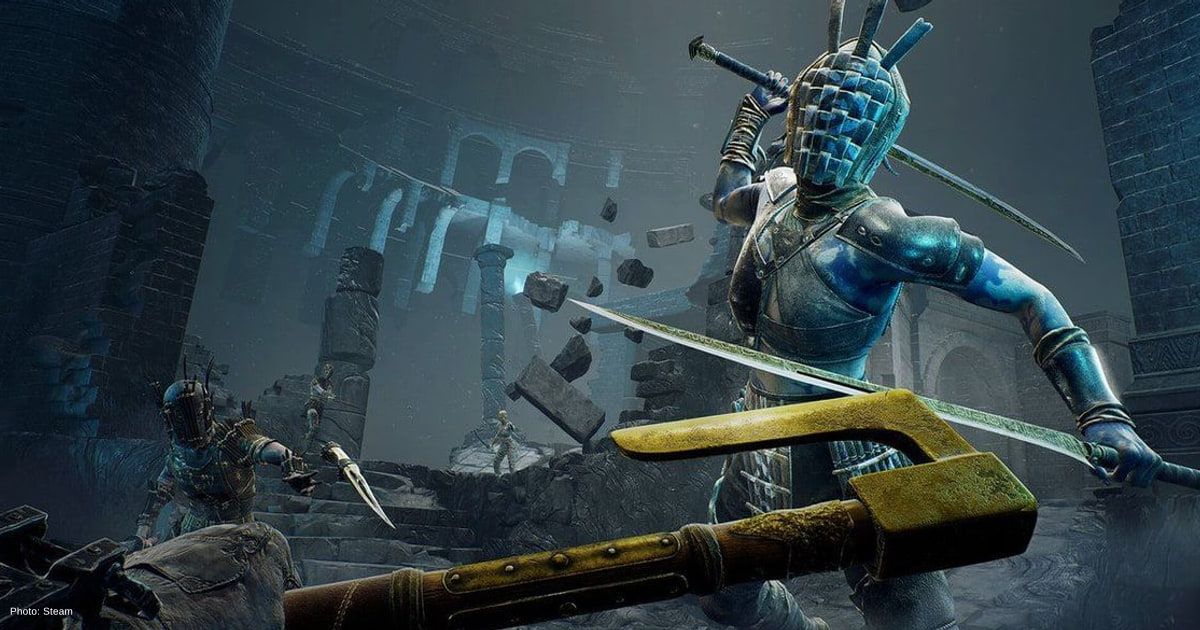
Skydance Games’ layoffs have turned a major Hollywood merger into a story about the people who make games. Weeks after Paramount completed its acquisition of Warner Bros. Discovery, the company confirmed job cuts and project reductions in its games business. The full impact remains unclear, raising a central question: can a larger entertainment company grow while protecting the creative talent behind its gaming ambitions? The answer matters to developers and players alike.
Key Takeaways
Skydance Games layoffs highlight the human impact of Hollywood’s consolidation, questioning whether creative talent can thrive amidst merger-driven efficiency.
- Skydance Games experienced layoffs and project reductions following its acquisition by Paramount, raising concerns about the fate of creative talent within larger entertainment conglomerates.
- The consolidation aims for significant cost synergies, but the workforce reductions and potential shift towards established franchises may stifle originality and innovation in game development.
- The situation underscores a broader trend in the gaming industry where business efficiency and intellectual property consolidation can overshadow the need for stable teams, creative freedom, and the nurturing of new ideas.
How Hollywood’s merger reshaped Skydance Games
Paramount completed the Warner Bros. Discovery acquisition on October 6, 2026, creating Skydance. Executives target more than $6 billion in annual run-rate synergies over three years. This is a company-wide goal, not a confirmed games division savings figure.
The merger reshaped the companies’ games operations. Paramount’s games business joined Warner Bros. Games’ internal development teams in a broader games and experiences unit led by Tony Driscoll. Its portfolio includes Star Trek, SpongeBob SquarePants, Harry Potter, Mortal Kombat and DC. Shared resources could support game development.
That integration was followed by workforce reductions. Skydance said it was reorganising and scaling down projects, but did not disclose a headcount or name affected titles. TheWrap reported at least 25 affected employees, based on staff posts. This is not an official total. The company has not confirmed that reported number.
The human cost of gaming industry consolidation
For employees, the changes are more than a new organisation chart. Public posts describe affected roles across production, writing, engineering, design and art. Each departure can disrupt teams and remove knowledge built through collaboration. The impact is personal for developers whose careers and creative work have been tied to projects they helped shape.
Players may eventually feel the effects, although Skydance has not identified all the projects affected by the restructuring. No specific delays or cancellations have been confirmed. The immediate concern is whether changes in development priorities will limit opportunities for original ideas and gaming industry innovations, or shift more resources toward established franchises. For the gaming industry, the challenge is balancing business efficiency with the creative talent that keeps games fresh, distinctive and engaging.
The situation also reflects wider gaming trends. Consolidation can bring valuable intellectual property, publishing reach and shared technology, but may favour familiar franchises with clearer commercial potential. That can leave less room for unusual concepts and smaller bets. Strong game development needs stable teams, time and creative freedom, not only well-known brands. These gaming trends matter because originality keeps the market varied and gives players reasons to explore beyond established series.
Can creative talent survive Hollywood’s merger boom
Skydance says the reorganisation supports long-term growth. Under Tony Driscoll’s leadership of the combined games and experiences division, the company faces the challenge of balancing business priorities with employee welfare. Its spokesperson said the cuts do not reflect employees’ talent or creativity and promised to handle departures with care. The next test is clear communication and meaningful support for those leaving.
We have stepped back and taken some time to consider where we are investing our efforts and have made the difficult decision to scale down some of our projects. As a result, there are roles impacted. This is not a reflection of the talent, dedication, or creativity of those affected and we are grateful for their contributions. We are committed to approaching the process with transparency, care and respect for those who are leaving the company.
Tony Driscoll
A larger company can offer broader franchises and greater reach. Those advantages matter only if creative teams can do ambitious work. Former employees deserve new opportunities, while players deserve familiar worlds and fresh ideas. In entertainment, lasting success depends not simply on corporate scale, but on the talent and imagination that turn ideas into games worth playing.

Marcus Kade
Marcus Kade is Managing Editor at Spiel Times, covering breaking gaming news with a focus on the industry's business side. When not writing, he's probably losing a co-op game to his partner.
View all articlesRelated Articles
View All
Epic Games Lets AI Do the Heavy Lifting, Builds Unreal Engine 5.9 Preview in Just 7 Days
Artificial intelligence is changing how video games are made, and developers are finding new ways to let AI handle the...
Unifideck Brings Local Game Pass Downloads to Steam Deck, With Limits
Steam Deck owners now have a new way to bring PC Game Pass titles to handheld gaming, though the breakthrough...
Sakurai Says Game Studios Risk Falling Behind by Ignoring AI in 2026
Masahiro Sakurai isn’t embracing generative AI, but he isn’t dismissing its future either. The creator of Kirby and Super Smash...