
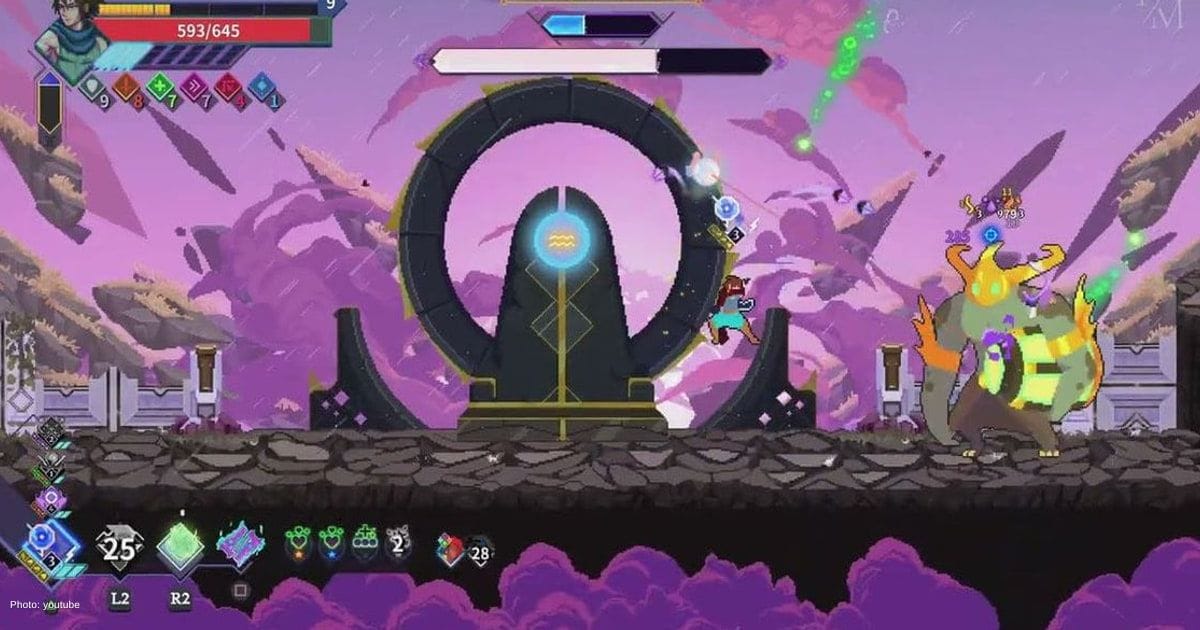
How one gaming genre solves a problem most developers still ignore
Roguelites, built around short repeatable runs with random elements and steady progress, have worked their way into the spotlight by fitting how people play today. In modern gaming, habits have shifted. Games used to lean on fast reflexes and tough challenges.
Miss a jump, lose a fight, start all over. That still has its place, but not everyone wants that every time they play. Sometimes, something more forgiving just feels better, especially as Entertainment options keep expanding.
Here’s the interesting part. Players often say they want total freedom, huge worlds, endless choices. Sounds great, right? But once a game launches, the pattern changes. Guides, tier lists, and “best builds” take over.
People follow what works because figuring everything out alone can feel like work. After a long day, that kind of effort is not always appealing. This shows up across many latest game releases and reflects broader gaming trends.
Key Takeaways
Roguelite games offer a balanced approach that fits modern gaming habits, providing structured yet varied gameplay that keeps players engaged without feeling overwhelming.
- Roguelites cater to players seeking a less demanding and more forgiving gaming experience compared to traditional, unforgiving game designs.
- These games balance clear goals with variety, making each playthrough fresh and interesting while maintaining a simple, accessible structure.
- The genre’s design aligns well with contemporary gaming trends, offering shorter, more manageable sessions that fit into busy daily routines.
Why roguelites feel easy to stick with
The genre sit right in the middle of that gap. They offer enough structure to keep things clear, but enough variety to stay interesting. Every run starts fresh. Go as far as possible, pick up upgrades, unlock something new, then try again. Simple loop, but it works. The path changes just enough each time, with different items and encounters, so it never feels repetitive. At the same time, the goal is always clear. That balance has become a key focus in game development.
Failure works differently here. In most games, losing feels like a setback. In roguelites, it is part of the system. A failed run still leads to progress. Maybe it unlocks something new or helps with the next attempt. That small tweak changes how the game feels. Losing does not feel like wasted time, which keeps players coming back.
It also fits how people manage their time now. Not everyone can commit hours to a single session. A quick 20 to 30 minute run is enough. Jump in, play, step away. No need to remember complex storylines or long objectives. Progress builds over time without demanding long stretches of focus. This kind of design is becoming more common in gaming trends and shaping how Gaming fits into daily routines.
Lower cost, less stress, better fit
Cost plays a role too. Many roguelites come from smaller teams, which often makes them more affordable. With game prices rising, that matters. Getting something replayable and complete without spending too much is a strong draw, and it highlights how smaller studios continue to influence game development.
There’s also a bigger change happening. With so many games available, choosing one can feel overwhelming. Add daily stress, and complex systems can feel exhausting. Roguelites keep things controlled.
Variety is still there, but it never feels chaotic. That balance is what keeps players coming back. No need to relearn everything each time. No pressure to commit for hours. Just steady progress, one run at a time.

Kanishma Ray
Kanishma Ray is an entertainment and anime content writer, who's known to play a mean violin (decently, that is). She's an engineering student by day and a wordsmith by night, with a knack for crafting engaging and helpful content that her readers love. When she's not busy writing, you can find her nose buried in a book or controller in hand, consuming media like it's her job (oh wait, it is).
View all articlesRelated Articles
View All
Massively multiplayer online games market growing fast
The world of online gaming is changing rapidly. Massively Multiplayer Online Games (MMOGs) are driving this growth. Players now seek...
Gaming’s rising costs are changing who can afford to play
Gaming still reaches a huge number of players, but premium play is getting harder to afford. In the United States,...
AI is reshaping gaming and how players connect and play
Artificial intelligence is no longer sitting at the edge of gaming culture. In 2026, it will have become part of...