
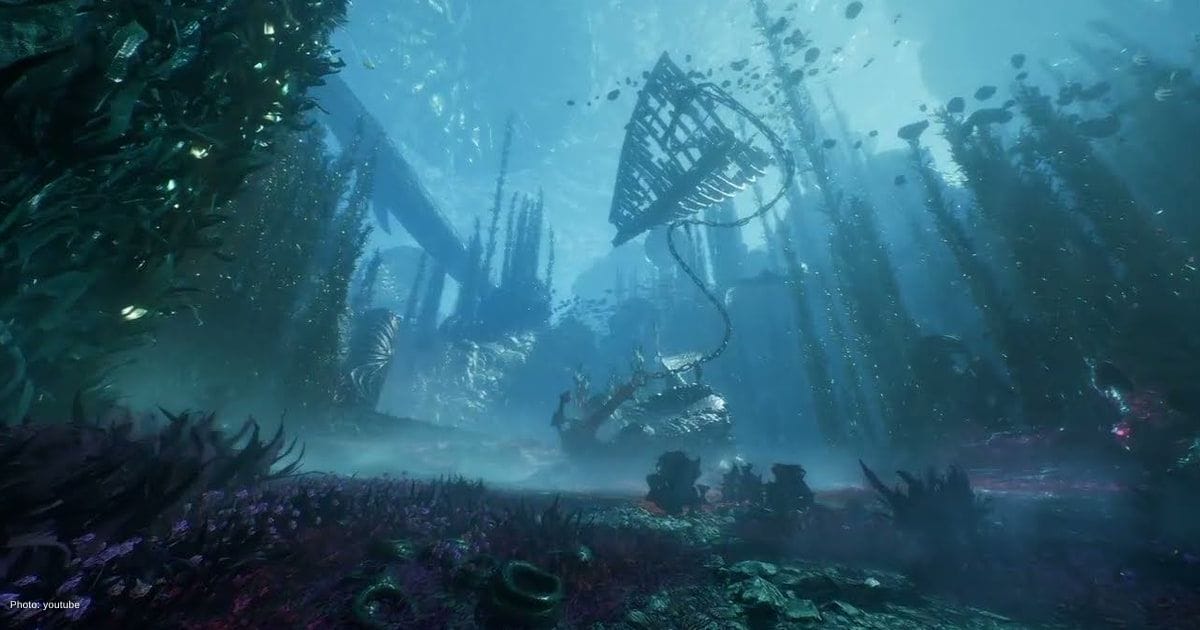
When beautiful worlds aren’t enough: How creative level design drives new gaming trends
Modern video games drop you into huge worlds filled with cities, forests, ruins, and strange landscapes. The visuals grab your attention right away. Lighting, scale, and architecture shape that first impression. Think about the games you still talk about with friends. Do you remember the scenery most, or the places that pushed you to explore, climb, and survive?
Memorable locations give you something to solve. Exploration becomes a challenge as you search for hidden paths or fight enemies along the way. Because of that, many developers now focus more on creative level design instead of relying only on environmental visuals, a shift that reflects current gaming trends.
Environmental design focuses on atmosphere and appearance. Artists shape terrain, buildings, and lighting to make the setting believable. A broken fortress can show that a kingdom has collapsed. Thick fog around a forest adds tension and mystery. Dark Souls uses ruined structures and dark spaces to create danger, while Horizon Zero Dawn uses wide natural environments to make its world feel large and ancient.
Key Takeaways
Modern video games prioritize creative level design over mere environmental visuals to engage players and drive gaming trends.
- Level design transforms beautiful game worlds into interactive challenges by incorporating obstacles and puzzles that encourage exploration.
- Game designers are less constrained by real-world architectural limitations, allowing for the creation of impossible yet believable spaces and structures.
- Experimental architecture and storytelling concepts influence game design, making environments dynamic and responsive to player actions.
When level design turns worlds into challenges
A stunning location becomes dull when nothing interacts with you. Level design solves that problem by shaping how the space works. Designers decide where enemies appear, how players move between areas, and where puzzles or traps slow progress. Every hallway, ladder, and hidden path serves a purpose. Careful planning guides players through challenges while the structure itself stays mostly invisible.
Creative level design also removes many limits found in real architecture. Engineers must deal with gravity, materials, and construction costs. Game designers work in digital spaces with far fewer restrictions. Cities stretch across impossible cliffs, platforms spiral high into the sky, and player actions can reshape entire areas during gameplay.
One influence comes from outside the gaming industry. Visionary architect Lebbeus Woods imagined structures that grew directly from the ground instead of standing on it. His Terra Nova concepts show layered spaces and unusual angles that resemble alien worlds. Similar ideas appear in science-fiction games where architecture blends into the terrain and creates unfamiliar but believable spaces.
How experimental ideas shape game levels
Experimental architecture offers another influence. The Pamphlet Architecture series, founded in 1978 by Steven Holl and William Stout, encouraged young architects to rethink how buildings function. Several proposals described structures that change depending on how people interact with them. Modern games reflect that same principle in digital entertainment. Walls collapse during combat. Puzzle rooms shift after solving a challenge. Entire sections of a map unlock through player actions.
Storytelling also shapes how designers think about space. Italian writer Italo Calvino described imaginary cities in his novel Invisible Cities through conversations between Marco Polo and Emperor Kublai Khan. Each city represents an idea, emotion, or memory rather than a simple location. Game developers use similar symbolism when they build mysterious ruins or unusual landmarks that hint at a deeper history.
First impressions pull you into a game world through visuals and atmosphere. Continued exploration depends on how the space challenges you. Clever routes, hidden dangers, and surprising layouts keep players moving forward, turning the environment into something active rather than just decorative.

Marcus Kade
Marcus Kade is Managing Editor at Spiel Times, covering breaking gaming news with a focus on the industry's business side. When not writing, he's probably losing a co-op game to his partner.
View all articlesRelated Articles
View All
GameMaker Makes GMRT Free for Commercial Games on PC and More in 2027
Beginning January 1, 2027, independent creators will be able to release commercially distributed games built with GameMaker’s GMRT runtime across...

Final Fantasy Resonance’s $49.99 HD-2D Launch Bets on Turn-Based RPGs
Final Fantasy once made every turn feel consequential, and Square Enix is giving that rhythm another chance to shine. Launched...

STANFEST 2026 Set to Bring Gaming, Esports and Creators to Bengaluru
Esports squads, digital creators, and fans who usually meet online will gather on a Bengaluru campus on October 31. STANFEST...