
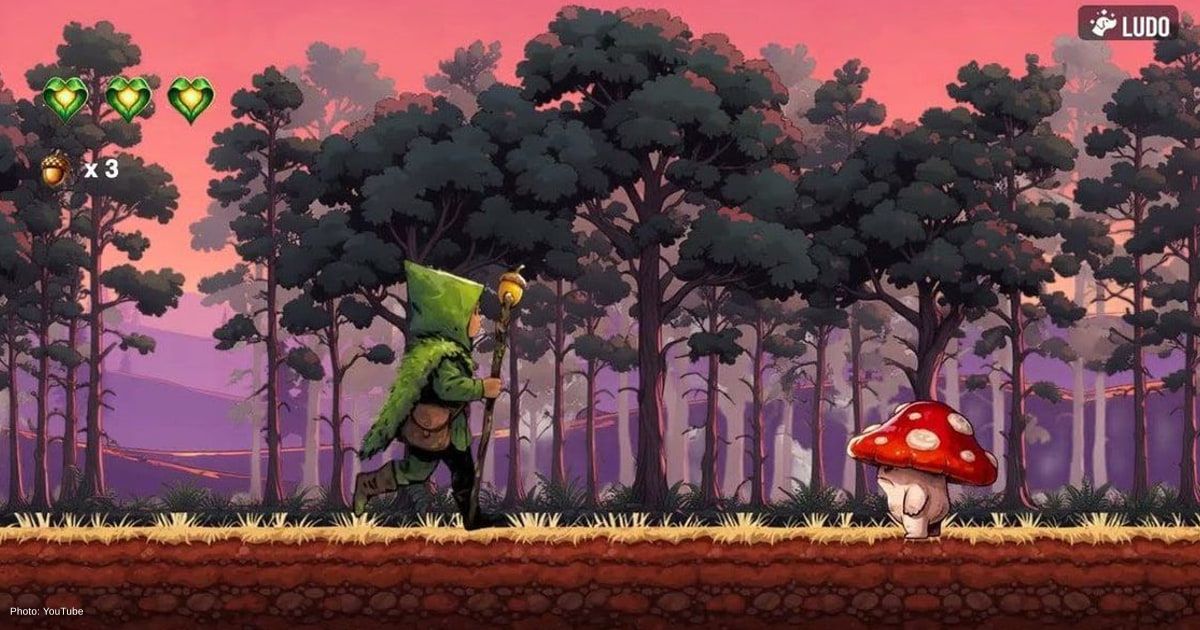
Ludo Gives AI Coding Agents 32 Tools to Prep Game Assets
AI coding agents can write gameplay logic, but a working game needs more than code. Characters, sounds, textures, and 3D models must be measured and prepared before they behave correctly inside an engine. Ludo.ai’s Asset Toolbox targets that overlooked step. Announced on November 10, 2026, it brings 32 command-line tools to help agents inspect existing game assets and prepare them for production teams today. The aim is reliable handoffs.
Key Takeaways
Ludo.ai’s new open-source Asset Toolbox provides 32 command-line tools to help AI agents inspect and prepare game assets, ensuring reliable handoffs to game engines.
- The Asset Toolbox equips AI coding agents with 32 specialized, open-source command-line tools to measure, inspect, and prepare various game assets (visual, audio, 3D models) for integration into game engines.
- These tools aim to provide precise, machine-readable data about assets, moving beyond guesswork to ensure consistent behavior within game engines like Unity and Godot by handling tasks like pivot placement, collider adjustments, and animation frame alignment.
- The toolbox focuses on improving the technical preparation and handoff of assets, streamlining workflows for development teams by automating checks and data generation, rather than generating creative content itself.
Beyond code, AI agents build game-ready assets
Ludo’s Asset Toolbox runs through Ludo CLI 0.2.0 or later and requires Node.js 20+. Its 32 tools are open source under the MIT license, free to use, and available locally and offline. No account, API key, or credits are required.
However, visual assets alone rarely provide the precise technical data required for seamless integration into a game engine. A sprite requires a consistent pivot and scale. A collider must cover the character area, while animation frames need alignment and textures need seam checks. Without these values, assets may behave differently after import into engines.
The toolbox turns checks into repeatable commands. It returns machine-readable JSON and creates game development outputs for Unity, Godot, Phaser, Box2D, and TexturePacker. Formats vary by tool and destination, but the goal is consistent: give agents measurable asset information instead of guesswork.
How the toolbox prepares game assets
Consider a developer asking an agent to prepare a knight for Unity, place its pivot at the feet, exclude the sword from its collider, and set its height to 1.8 meters. The agent can measure the sprite sheets, establish a consistent pixels-per-unit scale, fit box or capsule colliders, and write the engine files. This turns a visual instruction into setup data.
The toolbox also handles sprite-sheet work, including slicing, assembling, aligning frames, checking animation loops, and creating previews. Image tools support conversion and contact sheets. Audio commands report duration, loudness, true peak, and tempo, and can check whether a sound loops without an audible click. These checks help catch problems before assets reach a build.
For 3D GLB models, tools inspect mesh and triangle counts, textures, rigs, animation clips, orientation, and walking speed. An asset-manifest command can scan project folders, group related character animations, identify duplicates, and flag missing assets such as rigs or animations. These gaming industry innovations reflect gaming trends toward reliable pipelines where game development agents prepare assets and write code before a build ships.
A practical shift, not a creative shortcut
Gaming studios and independent creators, the potential benefit is less repetitive setup and clearer checks before integration. The tools support consistent handoffs and automated workflows, although Ludo has not published measured productivity gains. Their value is making existing assets easier to inspect and prepare, not guaranteeing a better game.
The toolbox does not generate artwork, animation, 3D models, or sound. Ludo offers asset generation separately through paid plans and credits. These gaming industry innovations can support entertainment teams, but they can’t replace creative direction, playtesting, or quality assurance. The future is people equipped with dependable tools and human creative direction.

Marcus Kade
Marcus Kade is Managing Editor at Spiel Times, covering breaking gaming news with a focus on the industry's business side. When not writing, he's probably losing a co-op game to his partner.
View all articlesRelated Articles
View All
XBOX Game Pass Drops Three New Day-One Games, Led by Football Manager 27
Nothing beats getting brand-new games without paying extra, especially when you’re already subscribed to Game Pass. November is looking pretty...
Skydance Games Layoffs Reveal the Human Cost of Hollywood’s Merger Boom
Skydance Games’ layoffs have turned a major Hollywood merger into a story about the people who make games. Weeks after...

Epic Games Lets AI Do the Heavy Lifting, Builds Unreal Engine 5.9 Preview in Just 7 Days
Artificial intelligence is changing how video games are made, and developers are finding new ways to let AI handle the...