
Mobile Gaming’s 2026 Upgrade May Redefine the Future of Play
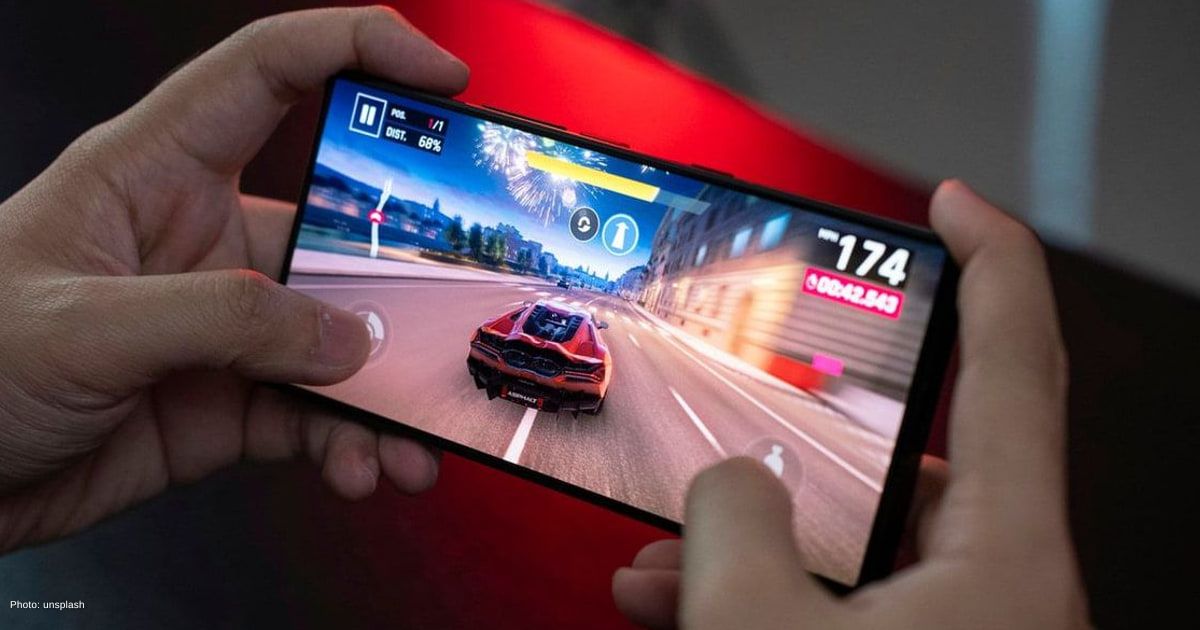
Mobile gaming is no longer waiting for permission from consoles or PCs. In 2026, the small screen is becoming a serious stage for gaming, entertainment, and global competition, shaped by stronger devices, smarter tools, and players who expect richer experiences anywhere. The shift is not a guaranteed revolution, but current industry signals point to a mobile market that is more creative, more connected, and more demanding than before.
Key Takeaways
Mobile gaming is poised for a significant upgrade in 2026, driven by more powerful devices, advanced development tools, and evolving player expectations, shifting its focus from casual play to persistent, engaging experiences.
- Mobile gaming is moving beyond casual play, with a greater emphasis on retention, live events, and monetization strategies that foster ongoing player engagement in persistent game worlds.
- Advancements in AI are accelerating game development, reducing costs and time-to-market, which may lead to higher quality games as developers strive to stand out in a crowded market.
- The future of mobile gaming hinges on building player trust through performance, fairness, and community, ensuring games respect player time and deliver consistent value.
Mobile gaming moves beyond casual play
The biggest reason is access. A phone remains the most common gaming device for millions of players, especially in mobile-first regions where dedicated hardware can be expensive or less available. That reach keeps mobile gaming at the center of modern entertainment.
In 2025, Sensor Tower reported 52 billion game downloads, primarily from mobile devices. Yet the 2026 shift is not just about scale. Gaming trends now point toward stronger retention, live events, and better monetization, not endless installs.
That changes the meaning of the latest game releases. Successful mobile games increasingly need to feel like ongoing worlds, with updates, seasons, social features, and reasons to return. Casual play still matters, but mobile is no longer limited to casual play. For game makers, the challenge is simple: earn loyalty after the first tap and keep value visible every week.
Game development powers the next wave of releases
The next wave is also being shaped inside studios. BCG’s 2026 video gaming report says AI is changing game development by reducing costs and time-to-market, while warning that faster production does not automatically solve discovery. In other words, more games can be made faster, but not every game will be noticed.
That pressure may improve quality. Developers competing for attention must think beyond graphics and launch-day noise. They need smooth onboarding, fair progression, reliable performance, and gameplay that fits real mobile habits, from short sessions to deeper competitive play.
The release calendar already shows that energy. Mobile gaming outlets tracking Android and iOS releases continue to list racing games, RPGs, sports projects, puzzle titles, and familiar brands entering the market. This variety matters because it gives players more choice while giving studios more ways to test ideas.
For game development, mobile has become a fast feedback machine. A title can launch, learn, update, and expand quickly across regions. That makes mobile one of the most active spaces for gaming trends, latest game releases, and entertainment experiments in 2026.
The future of play depends on trust and choice
The future of play will not be won by technology alone. Players are more selective now, and they want games that respect their time, protect trust, and deliver value without feeling manipulative. That is why performance, fairness, and community design matter as much as visual upgrades.
Mobile gaming’s 2026 upgrade may redefine play because it combines reach with ambition. If developers use new tools responsibly and keep players at the center, mobile can become one of the decade’s most accessible entertainment platforms. Its next stage of growth will depend on smarter releases, stronger communities, and experiences that keep giving players a reason to return.

John Micheal Agustin
John Micheal (sometimes called JM or Mike) has been writing various types of professional articles for almost 2 years now. He is an avid sports fan and has been following the NBA since the early 2000s. He also loves playing a lot of video games like DotA 2, Valorant, but MMOs have a special place in JM's heart. Not only is he a huge fan of basketball and video games, he also loves movies and tv shows. He is a huge MARVEL and MCU fan plus he is into a lot of superhero stuff.
View all articlesRelated Articles
View All
GameMaker Makes GMRT Free for Commercial Games on PC and More in 2027
Beginning January 1, 2027, independent creators will be able to release commercially distributed games built with GameMaker’s GMRT runtime across...
Final Fantasy Resonance’s $49.99 HD-2D Launch Bets on Turn-Based RPGs
Final Fantasy once made every turn feel consequential, and Square Enix is giving that rhythm another chance to shine. Launched...

STANFEST 2026 Set to Bring Gaming, Esports and Creators to Bengaluru
Esports squads, digital creators, and fans who usually meet online will gather on a Bengaluru campus on October 31. STANFEST...