
Virtual Reality Gaming in the United States: Growth Driven by Entertainment and Latest Game Releases
The VR gaming sector in the United States is growing strongly in 2026, driven by better immersive technology, rising demand, and improved digital ecosystems. Once seen as experimental, VR is now becoming a key part of modern digital Entertainment, supported by stronger hardware and richer content.
The market was valued at about $15.5 billion in 2025 and is projected to reach $76.5 billion by 2034, with a CAGR of around 19.40%. This shows VR is moving from niche use to wider adoption, though cost and accessibility challenges still remain.
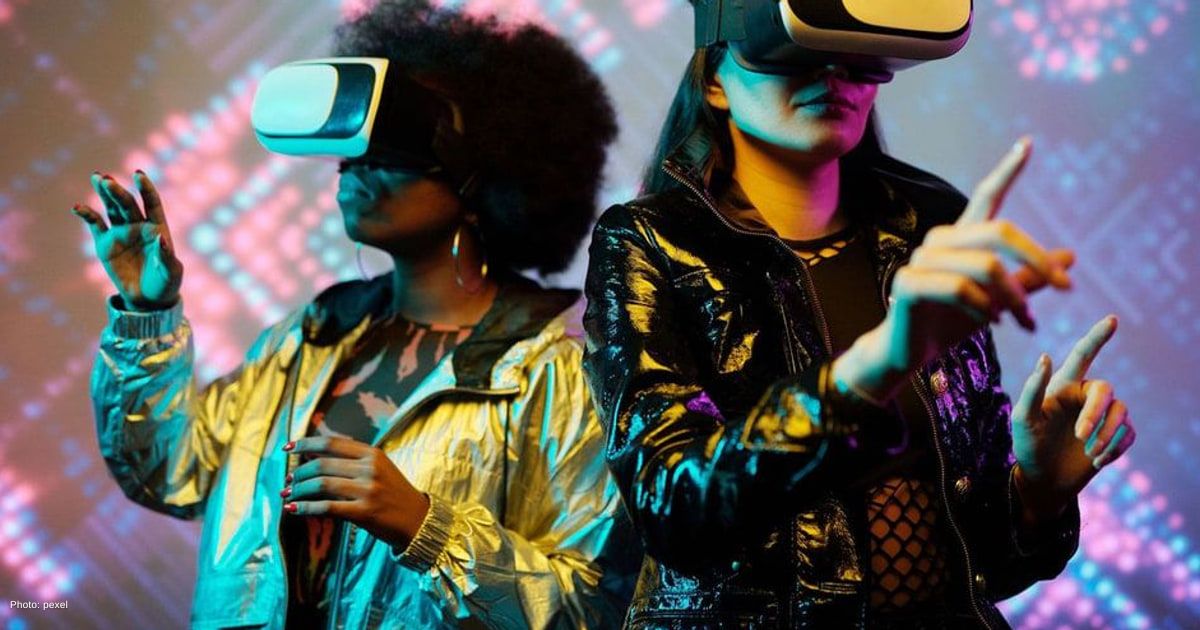
At its core, VR gaming lets players enter digital worlds instead of just viewing them on a screen. Using headsets, sensors, and controllers, users interact in real time, creating a more immersive gaming experience that is reshaping expectations.
Key Takeaways
The VR gaming sector in the United States is experiencing significant growth, driven by technological advancements and a shift towards immersive gaming experiences.
- The VR gaming market is projected to grow from $15.5 billion in 2025 to $76.5 billion by 2034, with improvements in technology and comfort driving adoption.
- Advancements in hardware design and content creation, including VR-specific titles and AI integration, are reshaping the industry and increasing user engagement.
- Despite high costs and limited content libraries, standalone VR headsets are making VR more accessible, positioning it as a central part of modern digital Entertainment.
Technology improvements driving market expansion
One of the strongest forces behind VR growth is continuous advancement in game development, particularly in hardware design and system performance. Modern headsets now offer higher resolution displays, smoother motion tracking, and reduced latency, making gameplay more realistic and responsive than earlier versions.
Comfort improvements have also played a major role in adoption. Lighter headset designs and better ergonomics allow users to play for longer sessions without discomfort, which has helped increase engagement across different age groups.
At the same time, gaming trends show a clear shift toward immersive and interactive experiences rather than passive gameplay. Consumers are increasingly seeking environments where physical movement and digital interaction merge, strengthening demand for VR platforms within the broader Entertainment sector.
Content growth and industry innovation
A key driver of expansion is the rise in VR-specific titles and gaming industry innovations that go beyond simple adaptations of traditional console games. Developers are building experiences designed specifically for immersive environments, improving realism and user engagement.
Popular genres such as adventure, shooting, racing, and simulation continue to dominate because they best showcase VR capabilities. As a result, latest game releases in VR are becoming more sophisticated, offering deeper storytelling and more interactive mechanics than earlier generations.
Artificial intelligence and cloud systems are also reshaping the industry. AI-powered characters now respond more naturally to player actions, while cloud computing reduces hardware limitations, allowing more users to access high-quality VR experiences without expensive equipment.
Accessibility, market structure, and consumer adoption
Accessibility remains a key factor influencing growth in the United States VR gaming market. The rise of standalone headsets has significantly reduced entry barriers by removing the need for high-end PCs or consoles, making VR more widely available.
The market is divided into hardware and software segments. While software continues to expand through increased content creation and stronger game development pipelines, hardware remains essential for delivering performance and immersion.
Device categories include PCs, consoles, mobile systems, and standalone VR headsets. Among these, standalone devices are gaining the fastest adoption due to their convenience and affordability compared to traditional setups.
Future outlook of the VR gaming industry
The future of VR gaming is closely tied to ongoing gaming industry innovations, particularly the integration of AI, cloud computing, and immersive storytelling techniques. These technologies are expected to enhance realism and expand the possibilities of interactive Entertainment.
However, challenges such as high costs, limited content libraries, and occasional motion discomfort still affect widespread adoption. Addressing these issues will be critical for sustained growth in the coming years.
Overall, VR gaming is evolving from a niche experience into a central part of digital Entertainment. As game development continues to advance and gaming trends shift toward immersive formats, the industry is positioned to become one of the most influential segments of modern interactive media.

Kanishma Ray
Kanishma Ray is an entertainment and anime content writer, who's known to play a mean violin (decently, that is). She's an engineering student by day and a wordsmith by night, with a knack for crafting engaging and helpful content that her readers love. When she's not busy writing, you can find her nose buried in a book or controller in hand, consuming media like it's her job (oh wait, it is).
View all articlesRelated Articles
View All
Keyboard vs Controller: The Choice That Shapes How Gamers Play
The battle between keyboard and controller continues to shape conversations across gaming communities. As gaming trends evolve, players are discovering...

Wardogs Reaches 2 Million Sales Milestone in Early Access Launch
WARDOGS reached a major milestone, surpassing 2 million copies sold less than 5 days after its Steam Early Access launch....

Cloud Gaming Levels Up With a $63 Billion Market Forecast for 2033
Cloud gaming is moving from an intriguing alternative to a pillar of digital entertainment. Grand View Research estimates the market...