
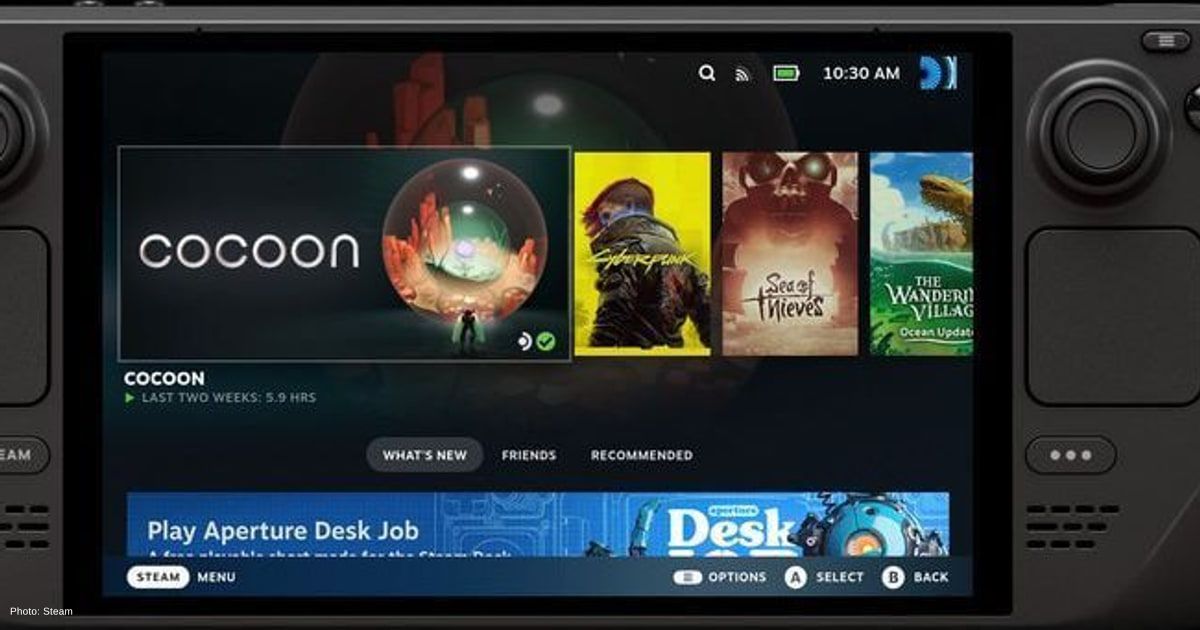
Steam Deck’s Next Challenge as Handheld Gaming PCs Raise the Stakes
The portable gaming world is entering a new chapter as handheld PCs move from a niche experiment into a rapidly expanding category. Valve’s Steam Deck remains a major influence, but new devices are introducing stronger hardware, premium designs, and broader choices. As gaming trends evolve, manufacturers are competing to deliver more powerful and flexible ways for players to enjoy PC gaming anywhere.
Key Takeaways
The handheld gaming PC market is rapidly expanding beyond Valve’s Steam Deck, with new competitors offering more powerful hardware, diverse features, and a wider range of choices for consumers.
- While the Steam Deck, particularly its OLED model, remains a strong contender with its balance of performance and accessibility, new handheld PCs are emerging with enhanced hardware, premium designs, and support for multiple gaming platforms.
- The competition is pushing innovation in areas like processors, displays, cooling, and battery life, leading to a market segmentation that caters to different player preferences, budgets, and gaming styles.
- As the market evolves, manufacturers are balancing increased performance and premium features with affordability, suggesting a dynamic future for portable PC gaming with a greater emphasis on player choice and technological advancement.
Steam Deck faces a new wave of handheld rivals
At the center of this transformation, Steam Deck changed expectations for portable PC gaming by combining console-like convenience with access to a massive Steam library. Its OLED model improved the experience with HDR support, a 90Hz display, and a larger battery, helping it remain attractive among players who value efficiency and simplicity.
The device’s success encouraged companies such as ASUS, Lenovo, and MSI to develop competing handheld PCs with different priorities. Windows-based devices provide access to multiple platforms, including Steam, Epic Games Store, and PC Game Pass, while SteamOS-focused options emphasize a more console-like interface. Valve has also remained cautious about a next-generation Steam Deck, stating that a successor depends on achieving a meaningful performance improvement without compromising battery life and affordability.
The growing competition reflects wider gaming industry innovations, where processors, displays, controls, and operating systems continue advancing. Instead of creating a single standard device, the market is offering players more choices based on performance, portability, software preferences, and budget.
New devices push performance and flexibility
The latest handheld PCs show how manufacturers are targeting different types of gamers. Some models focus on premium performance through newer AMD and Intel processors, larger displays, faster refresh rates, improved cooling systems, and higher-capacity batteries. Devices such as the ROG Xbox Ally X and Lenovo Legion Go 2 highlight how companies are pushing beyond the original Steam Deck formula.
High-end options are also changing expectations for portable gaming power. The MSI Claw 8 EX AI+ represents a premium approach with Intel Arc G3 Extreme graphics, 32GB memory, a 1TB SSD, an 8-inch 120Hz display, and an 80Wh battery. However, its approximately $1,800 price places it in a different category from more affordable handhelds.
These developments connect with changing gaming trends, as players increasingly seek devices that support multiple platforms, online services, and the latest game releases. Through detailed game reviews, consumers can compare performance, battery life, comfort, and value before choosing a device that matches their gaming style. The competition also demonstrates how gaming industry innovations continue reshaping portable entertainment.
Competition shapes portable gaming’s future
The expanding handheld PC market represents continued growth and investment in portable gaming. Steam Deck remains an important part of this evolution, while new competitors are creating more specialized experiences for different audiences. Although premium devices are becoming more powerful, rising prices show that manufacturers are balancing performance improvements with accessibility.
As technology advances, future handheld devices may deliver better efficiency, stronger performance, and smarter features. The competition surrounding Steam Deck gives players more options than ever, creating a dynamic future for global gaming where innovation, choice, and creativity continue driving the next generation of portable experiences.

Marcus Kade
Marcus Kade is Managing Editor at Spiel Times, covering breaking gaming news with a focus on the industry's business side. When not writing, he's probably losing a co-op game to his partner.
View all articlesRelated Articles
View All
CD Projekt Red Leaves REDengine Behind for the Unreal Engine 5 Era
CD Projekt Red is entering a major new chapter as the studio transitions from REDengine to Unreal Engine 5 for...

Keyboard vs Controller: The Choice That Shapes How Gamers Play
The battle between keyboard and controller continues to shape conversations across gaming communities. As gaming trends evolve, players are discovering...

Wardogs Reaches 2 Million Sales Milestone in Early Access Launch
WARDOGS reached a major milestone, surpassing 2 million copies sold less than 5 days after its Steam Early Access launch....