
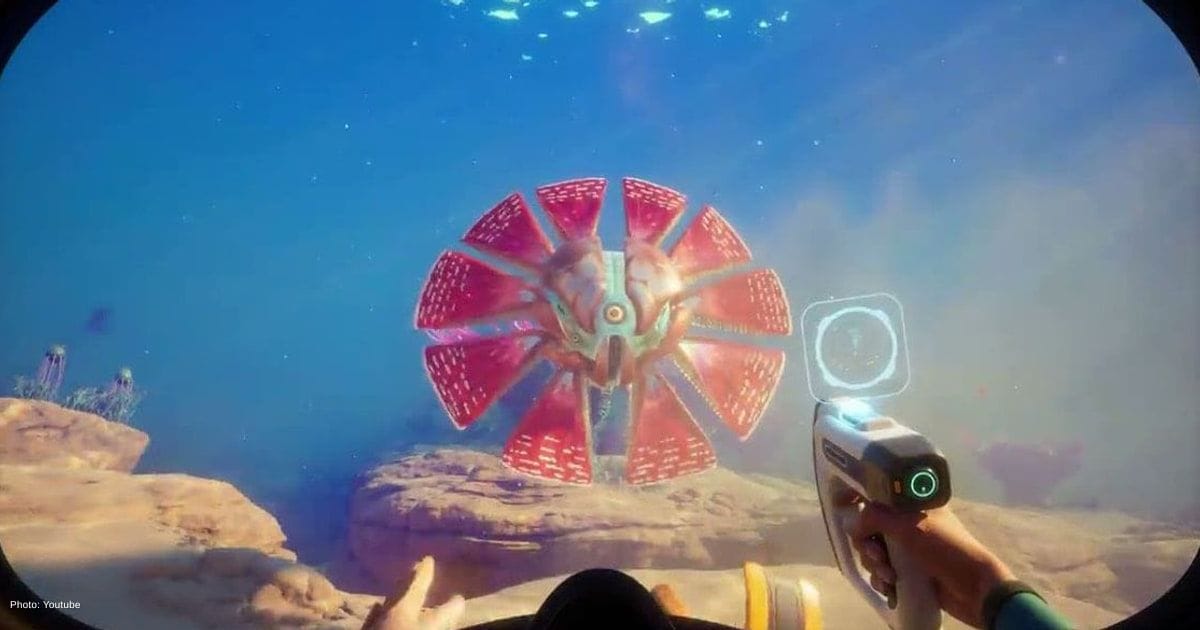
Subnautica 2 demands stronger PCs for Early Access
Excitement is building in the survival game community as Unknown Worlds Entertainment revealed the PC system requirements for Subnautica 2. The announcement comes just before its Early Access launch on May 14, 2026, and has sparked discussion among players following emerging gaming trends. The sequel is positioned as one of the most ambitious latest game releases in the genre.
Subnautica 2 is more than a typical sequel. Made with Unreal Engine 5, it brings major improvements in lighting, environments, and world scale. The studio wants to create a richer underwater experience, with larger biomes and cooperative gameplay guiding how players explore the depths.
The Early Access launch also highlights how modern survival titles now change in public view. As expectations rise, performance demands naturally follow, especially in large-scale open-world entertainment projects.
Key Takeaways
Subnautica 2, set for Early Access launch on May 14, 2026, demands more powerful PCs with higher hardware requirements to support its ambitious underwater exploration and co-op gameplay features.
- Subnautica 2 requires a minimum configuration of an Intel Core i5-8400 or AMD Ryzen 5 2600 with 12 GB RAM and a GTX 1660 or RX 5500 XT to achieve 30 FPS gameplay.
- The recommended configuration for smoother performance at 1440p and 60 FPS involves an Intel Core i7-13700 or Ryzen 7 7700X, 16 GB RAM, and an RTX 3070 or RX 6700 XT.
- Ultra and Ultra+ tiers push the limits with high-end GPUs like RTX 4080 and 32 GB RAM, targeting 4K visuals and peak fidelity.
Minimum specs raise baseline demands
The minimum configuration for Subnautica 2 sets the tone for its hardware leap. Players aiming for 1080p at lower settings will need an Intel Core i5-8400 or AMD Ryzen 5 2600, paired with 12 GB RAM and a GTX 1660 or RX 5500 XT. This setup targets around 30 FPS gameplay, prioritizing stability over visual depth.
Compared to the original Subnautica, this shift is noticeable. Even entry-level systems now face stricter requirements, reflecting how gaming trends have moved toward more resource-heavy experiences. The jump in RAM demand alone shows how modern engines handle larger environments and complex simulations.
For many long-time fans, this marks a turning point. What once ran comfortably on mid-range systems now sits closer to modern baseline hardware expectations in current entertainment titles.
Recommended and ultra scaling
At the recommended tier, Subnautica 2 steps into high-performance territory. The game calls for an Intel Core i7-13700 or Ryzen 7 7700X, 16 GB RAM, and an RTX 3070 or RX 6700 XT. This configuration is designed for 1440p gameplay at 60 FPS, blending smooth performance with improved visuals.
This shows how modern gaming trends value cinematic quality, even in survival games. The expanded ocean world, improved lighting, and co-op features require more from both CPU and GPU. Game developers must carefully balance performance with scale to keep gameplay smooth.
Moving to the Ultra and Ultra+ tiers, the requirements escalate sharply. High-end setups involve RTX 4080 or even RTX 5090-class GPUs, 32 GB RAM, and advanced processors like the i7-14700K or Ryzen 9 series. These configurations aim at 4K visuals and peak fidelity, showing how far Unreal Engine 5 can stretch hardware limits.
Evolution reshapes the survival genre
The leap in Subnautica 2 specifications reflects more than just technical growth. It represents a broader shift in entertainment production, in which survival games are evolving into cinematic, system-intensive experiences. With co-op gameplay added, simulation complexity increases significantly.
Unknown Worlds has emphasized that the sequel’s world is larger, deeper, and more dynamic than its predecessor. This expansion aligns with broader gaming trends that favor shared exploration and persistent worlds, reshaping expectations for upcoming game releases.
As Early Access begins, performance optimization will remain ongoing. The studio plans gradual improvements through continued game development, ensuring stability evolves alongside content. While the hardware demands may appear steep now, the final experience is expected to balance ambition with refinement over time.

John Micheal Agustin
John Micheal (sometimes called JM or Mike) has been writing various types of professional articles for almost 2 years now. He is an avid sports fan and has been following the NBA since the early 2000s. He also loves playing a lot of video games like DotA 2, Valorant, but MMOs have a special place in JM's heart. Not only is he a huge fan of basketball and video games, he also loves movies and tv shows. He is a huge MARVEL and MCU fan plus he is into a lot of superhero stuff.
View all articlesRelated Articles
View All
Google and Unity Team Up to Let Anyone Create Video Games Using AI Prompts
Creating a video game usually takes programming knowledge, design skills and plenty of time. However, artificial intelligence is beginning to...

Football Manager 27 Unveils a Smarter Interface With Fewer Clicks
Sports Interactive has revealed early details about Football Manager 27’s interface improvements ahead of its November 2026 launch, introducing changes...
Where To Buy Aion 2 Kinah Safely? A Complete Guide
AION 2 has officially arrived, bringing a new generation of MMORPG adventure to players around the world. After years of...