
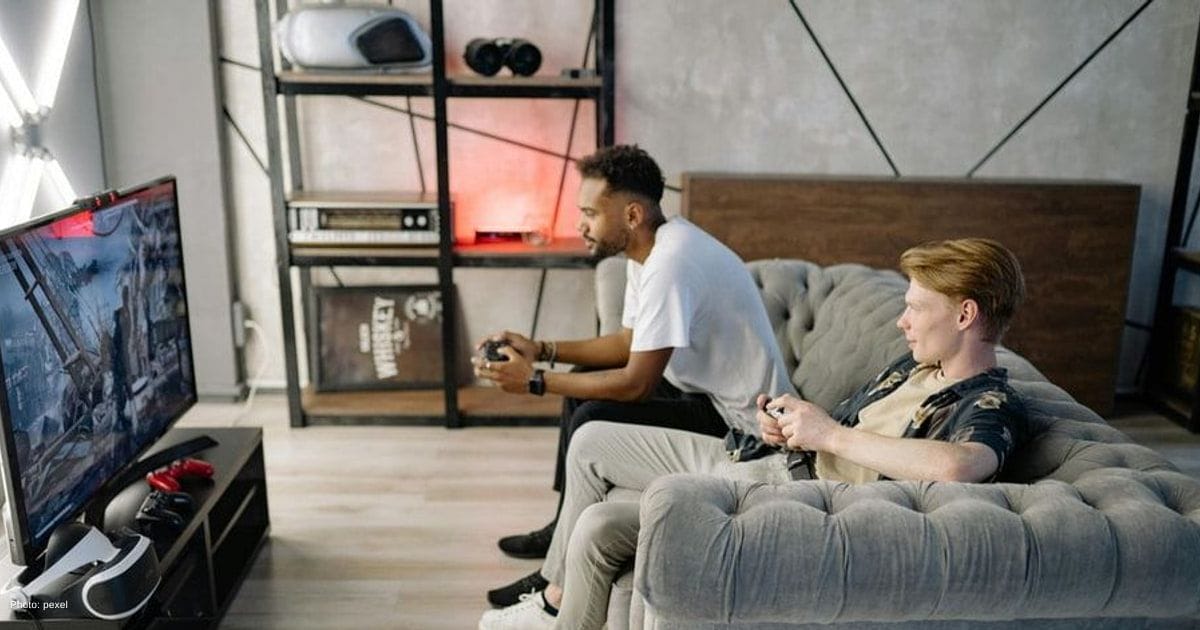
The changing face of home gaming: embracing flexibility and accessibility
The living room once told a clear story. A large console sat beneath the television, surrounded by cables, discs, and controllers. That image is quietly fading. In many homes today, screens look the same, but what powers them has changed. The shift is subtle, yet it reshapes how people view gaming and everyday entertainment.
This transformation is driven by convenience. Players no longer need expensive machines to enjoy rich experiences. Instead, flexible setups are becoming the norm. Devices blend into daily life, and gaming shares space with streaming, work, and social use. The result is a more inclusive form of entertainment that fits modern routines.
Key Takeaways
The traditional console-centered home gaming setup is evolving towards a more flexible and accessible model driven by convenience and technological advancements.
- Gaming is becoming more accessible through less bulky hardware setups, allowing simple devices to deliver rich experiences.
- Cloud gaming services are reshaping the industry by shifting processing to distant servers, making any device a potential gaming portal.
- Mobile gaming is driving new habits, with developers focusing on touch controls and shorter, flexible sessions to fit modern lifestyles.
Gaming without bulky hardware setups
In one small apartment, a young professional unwinds after work using only a tablet and a wireless controller. There is no console in sight. Her experience reflects a broader shift where gaming moves beyond traditional hardware. Processing now often happens elsewhere, allowing simple devices to deliver complex experiences.
This change has made gaming more accessible to people who once felt excluded by cost or complexity. Older laptops, smart televisions, and even entry-level tablets can now run titles that previously required powerful systems. As a result, entertainment spaces feel less technical and more welcoming.
Even casual formats highlight this evolution. Browser-based games and lightweight apps offer quick access without installation barriers. Their design favors simplicity, making them compatible with many devices. This approach supports flexible home setups and shows how game development now prioritizes reach over raw hardware power.
Cloud services reshape gaming access
The next chapter unfolds in the cloud. Services like remote streaming platforms shift heavy processing to distant servers. Players interact through their screens, while powerful systems handle the workload elsewhere. This model turns almost any device into a gaming portal.
For many households, this means fewer upgrades and less clutter. A stable internet connection becomes more important than owning the latest console. The rise of such systems marks one of the most important gaming industry innovations in recent years. It changes not just how games are played, but how they are delivered.
Still, the experience depends on the quality of the connection. Minor delays or visual drops can occur, but improvements continue. Developers and engineers refine systems to reduce these issues. As gaming trends evolve, cloud solutions are becoming more reliable, shaping expectations for both players and creators in game development.
Mobile play drives new habits
On a crowded train, a student taps through a high-quality game on her phone. The visuals are sharp, and the controls feel natural. Mobile devices now offer experiences similar to traditional platforms. Gaming is no longer tied to one place. It has become a constant companion.
This shift influences how games are designed. Developers focus on touch controls, shorter sessions, and adaptable interfaces. These choices reflect changing lifestyles, where players value flexibility over long, uninterrupted play. Game development increasingly centers on meeting users where they are.
The result is a blended digital environment. Phones, tablets, and televisions all serve as gateways to gaming and entertainment. Boundaries between devices continue to blur. What matters most is access, not ownership. This ongoing transformation suggests a future where gaming fits seamlessly into everyday life, shaped by convenience, creativity, and constant innovation.

Kanishma Ray
Kanishma Ray is an entertainment and anime content writer, who's known to play a mean violin (decently, that is). She's an engineering student by day and a wordsmith by night, with a knack for crafting engaging and helpful content that her readers love. When she's not busy writing, you can find her nose buried in a book or controller in hand, consuming media like it's her job (oh wait, it is).
View all articlesRelated Articles
View All
How Paris Elevated EWC 2026 Into Esports’ Next Global Chapter
Paris became a defining esports destination in 2026 when the Esports World Cup expanded onto an international stage. The move...

Dressmaker Turns Cozy Fashion Crafting Into Steam’s New Indie Hit
The indie crafting game Dressmaker turns the quiet art of sewing into a charming Steam experience where creativity, customization, and...
Retro Gaming Accessories Gain Value as Collectors Chase Rare Finds
A forgotten gaming accessory sitting in an old box can become a prized collectible years later. Worldwide, collectors search for...