
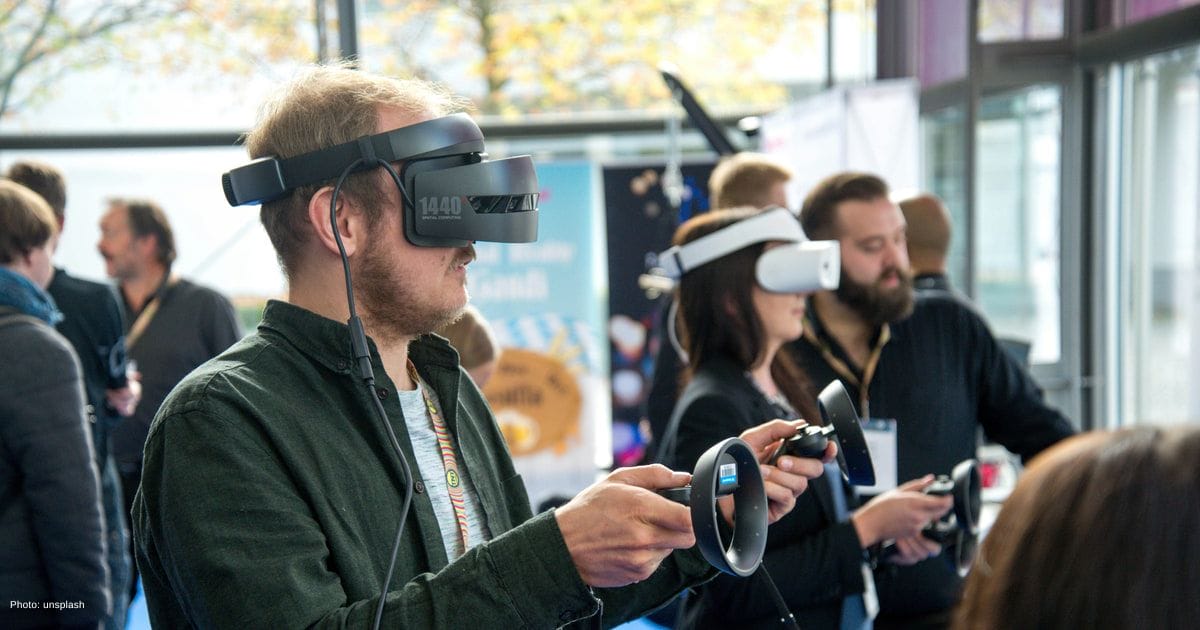
Play anywhere, anytime: the new rules of gaming in 2026
Next-level gaming in 2026 isn’t tied to one device anymore. It’s not just about consoles or PCs. So what changed? A mix of trends, AR, AI, and cloud gaming, are working together to make games smoother and easier to jump into. Graphics still matter, sure, but players now care more about how fast a game responds, how personal it feels, and whether it works across devices.
Augmented reality, for instance, is no longer just a cool idea. Mobile AR games are still popular because they’re easy to access. No need for expensive gear. At the same time, lighter AR glasses are slowly becoming part of everyday use. Games can now map your space in real time. Imagine digital objects sitting on your table or moving across your floor.
Even better, shared AR lets people see and interact with the same things in one place. That’s where gaming trends are heading, more social, more connected to real life. And outside gaming? The same tech helps in surgery, remote support, and training.
Key Takeaways
The future of gaming in 2026 emphasizes seamless, multi-device experiences enhanced by advancements in AR, AI, and cloud technology.
- Augmented reality and lighter AR glasses enable more immersive and social gaming experiences that blend with real-life environments.
- Artificial intelligence personalizes gameplay, improves game development efficiency, and ensures smooth performance even on less powerful hardware.
- Cloud gaming allows for high-quality gaming experiences across various devices and helps reduce lag through edge cloud setups and hybrid systems.
How AI and cloud make gaming smarter
Now how about AI? Ever notice how games feel less predictable now? That’s not by accident. AI lets enemies react to how you play. Difficulty adjusts on the fly. Stories change based on your choices. Some games can even generate quests or dialogue while you play. Sounds wild, right? NPCs can remember what you did and respond later.
Developers use AI to speed up testing and build games faster. It also improves visuals without needing stronger hardware, thanks to newer rendering tech similar to DLSS 5 that enhances image quality in real time. In competitive games, it helps catch cheaters and match players better.
Cloud gaming is another big change. You don’t always need a powerful setup anymore. Games can run on remote servers and stream to your device. Got a mid-range PC or even a phone? That can be enough.
Edge cloud setups are bringing servers closer to players, which helps reduce lag. At the same time, hybrid systems split the workload between the cloud and local hardware for better stability. AI even adjusts video quality in real time so the game stays smooth. And switching between devices? That’s becoming normal.
What’s driving modern gaming behind the scenes
Behind all this, data plays a quiet role. Developers track how people play to improve balance and keep things engaging. Ever get a recommendation or see a live event pop up? That’s data at work. Gaming is starting to feel a lot like streaming platforms, blending into the wider world of entertainment where everything adapts to you.
Game ideas are also showing up outside games. Think rewards, progress bars, and challenges in apps, schools, or even jobs. That’s gamification. It keeps people engaged by turning simple tasks into something that feels more rewarding.
All of this runs on fast systems. Real-time processing keeps everything responsive. No one wants lag in a competitive match. Faster hardware and better networks help keep things smooth.
So where is this all going? Not one big virtual world like people once imagined. Instead, it’s a network of connected spaces where you can play, interact, and move between platforms easily. Gaming this year feels less like a single activity and more like part of everyday digital life, and a bigger part of modern entertainment.

Marcus Kade
Marcus Kade is Managing Editor at Spiel Times, covering breaking gaming news with a focus on the industry's business side. When not writing, he's probably losing a co-op game to his partner.
View all articlesRelated Articles
View All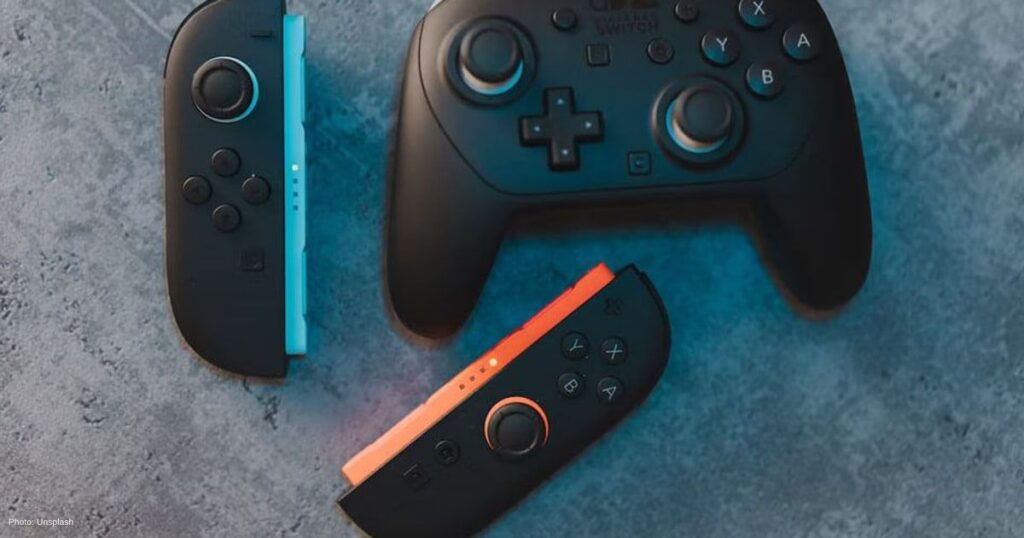
Gaming Consoles Enter a New Era as the Metaverse Shapes Future Play
The gaming industry is entering a transformative era in which consoles are becoming more than just powerful machines for playing...
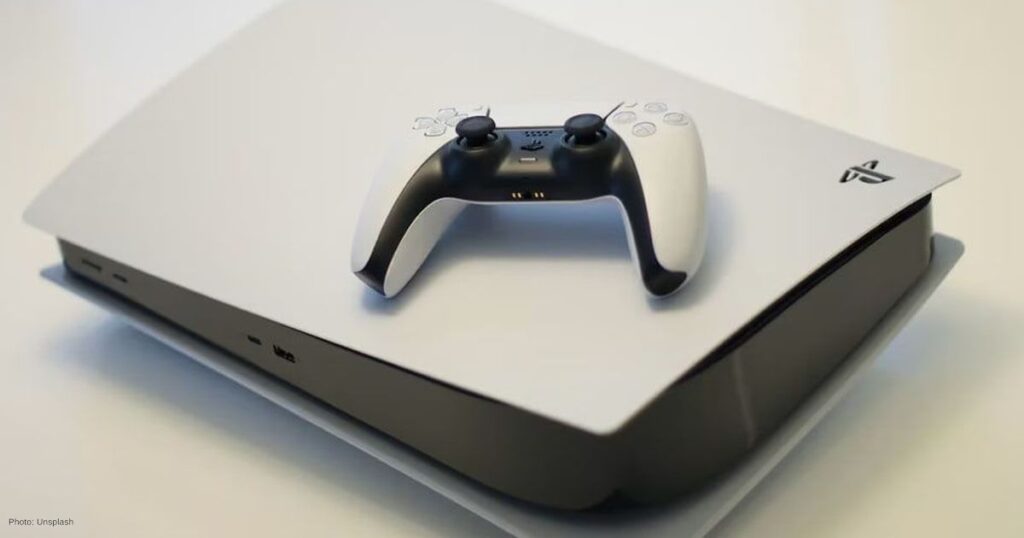
Gaming Consoles Set for Long-Term Expansion as Innovation Drives 2035
Gaming consoles are evolving from standalone machines into connected digital ecosystems that define the next era of interactive entertainment. Driven...
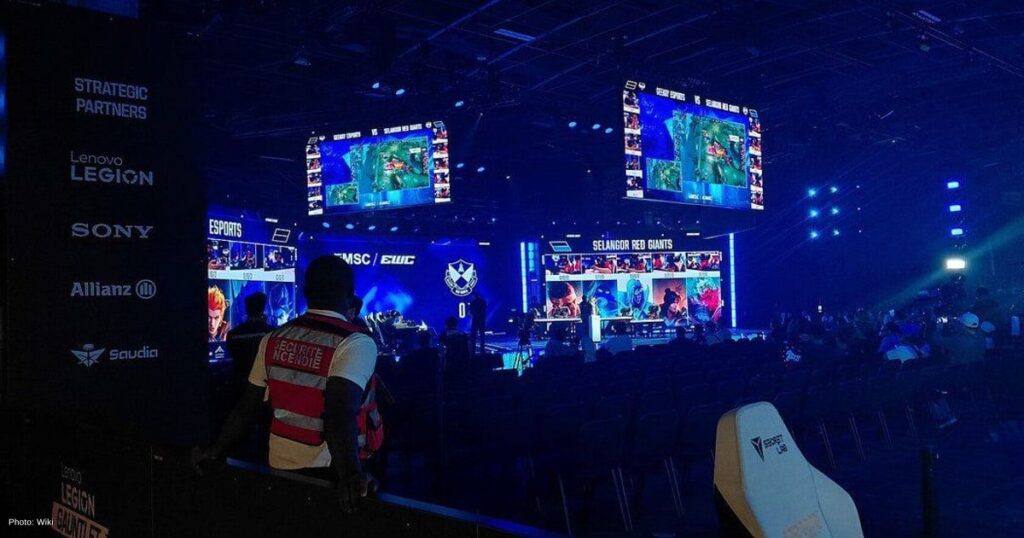
How Paris Elevated EWC 2026 Into Esports’ Next Global Chapter
Paris became a defining esports destination in 2026 when the Esports World Cup expanded onto an international stage. The move...