
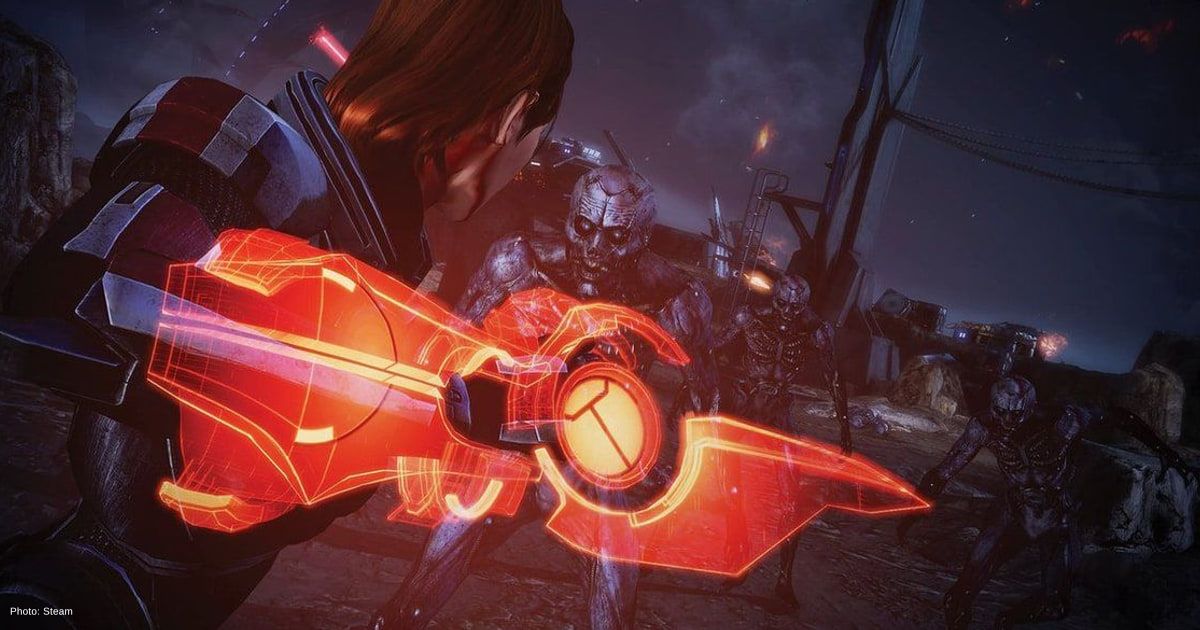
BioWare’s 31-Year Journey Ends as EA Cancels the Next Mass Effect Game
BioWare’s closure marks the end of a studio that helped shape modern role-playing games. On October 21, 2026, Electronic Arts announced that BioWare was closing and that early development on the next Mass Effect project would end. The news closes a 31-year chapter built on memorable companions, consequential choices, and worlds that invited players to care about what happened next. Its stories connected with role-playing fans worldwide.
Key Takeaways
BioWare’s closure by EA signifies the end of a pivotal chapter in role-playing game history, with the immediate cancellation of the next Mass Effect game.
- BioWare, known for influential titles like Baldur’s Gate and Mass Effect, significantly shaped modern role-playing games through its storytelling and character-driven gameplay.
- EA’s decision to close BioWare stems from a strategic shift to focus on fewer, larger game projects amidst increasing competition and changing player habits.
- The future of the Mass Effect franchise remains uncertain as early development on the next installment has ceased, leaving fans in suspense about its potential revival.
A Studio that changed role-playing games
Founded in 1995, BioWare built its reputation with games including Baldur’s Gate and Neverwinter Nights. Later, Dragon Age, Star Wars: Knights of the Old Republic, and Mass Effect brought its storytelling to broader audiences and helped define the studio’s identity.
Its games often made dialogue, relationships, and difficult decisions central to play. Players were asked not simply to defeat enemies, but to choose whom to trust, how to respond, and what consequences to accept. That approach became an important part of BioWare’s appeal.
The closure reaches beyond a company name disappearing from the industry. It marks the end of the Edmonton studio behind several influential series and raises questions about the developers whose work shaped those worlds. In its farewell statement, BioWare reflected on its legacy:
What generations of BioWare built together is something to celebrate and remember.
BioWare
Why EA is narrowing its game slate
EA said the decision followed a business review and a plan to focus resources on fewer, larger game development projects. The company mentioned intensifying competition for players’ time and a desire to invest where it sees growth opportunities. That is EA’s stated rationale; the announcement does not establish every factor behind the decision.
The publisher said projects would continue, including Marvel’s Iron Man and the next Star Wars Jedi game, alongside investment in Battlefield, Apex Legends, and its sports portfolio. Those plans show that EA isn’t withdrawing from major entertainment franchises, but is choosing where to focus its development resources. That distinction matters.
Separately, Reuters and other outlets reported around 400 job cuts across EA, including roughly 50 BioWare roles. The figures should be attributed to reporting rather than presented as details from BioWare’s farewell statement. These gaming trends increasingly reflect high budgets, long production cycles, changing player habits, and competition from live-service titles, all of which make game development more difficult. Yet a smaller slate alone cannot guarantee better games; teams still need time, direction, and creative stability.
What BioWare’s closure means for Mass Effect
For Mass Effect fans, the fact is specific: early development on the next game has ended. EA’s announcement does not prove the franchise is over, and no future return should be treated as confirmed. Until the publisher says more, the series’ long-term direction remains uncertain.
BioWare’s history shows how gaming industry innovations matter when they deepen storytelling and player agency. As gaming trends evolve and audiences weigh the latest game releases against favourites, the studio’s influence remains visible in adventures players remember. Its closure is a loss, but its worlds inspire what fans and new developers hope games can become.

Marcus Kade
Marcus Kade is Managing Editor at Spiel Times, covering breaking gaming news with a focus on the industry's business side. When not writing, he's probably losing a co-op game to his partner.
View all articlesRelated Articles
View All
Squadron 42 Reveals New Gameplay and PC Requirements Ahead of 2027 Launch
After more than a decade of development, one of the most ambitious space adventures is moving closer to release. Cloud...

GTA 6 on Switch 2? Nintendo Says It’s Rockstar and Take-Two’s Call
Grand Theft Auto 6 is heading toward its November 19 launch, yet one question keeps coming up: could Vice City...
Ubisoft Wants Its ‘Motherbrain’ AI Across as Many Games as Possible
Ubisoft is taking another step towards making generative AI a bigger part of how it builds games. The company has...