
Why Electronic Arts is moving beyond traditional game launches to keep players spending
The global gaming market is changing fast, and companies that once depended heavily on big annual game launches are now betting on something very different.
Instead of waiting years for players to buy the next title, publishers are increasingly focused on keeping gamers engaged every single day through online content, subscriptions, and mobile experiences.
That shift is putting fresh attention on Electronic Arts as investors closely watch how the company adapts to new gaming industry innovations and changing player habits.
Key Takeaways
Electronic Arts is shifting its focus from traditional game launches to a model that emphasizes continuous engagement through live-service games, subscriptions, and mobile experiences.
- Electronic Arts is prioritizing live-service gaming to generate continuous revenue through updates and in-game purchases.
- Mobile gaming is becoming a significant part of EA’s strategy, targeting casual and mid-core players with free-to-play models.
- Subscription services like EA Play are being used to encourage long-term player engagement and steady revenue.
EA doubles down on live-service gaming
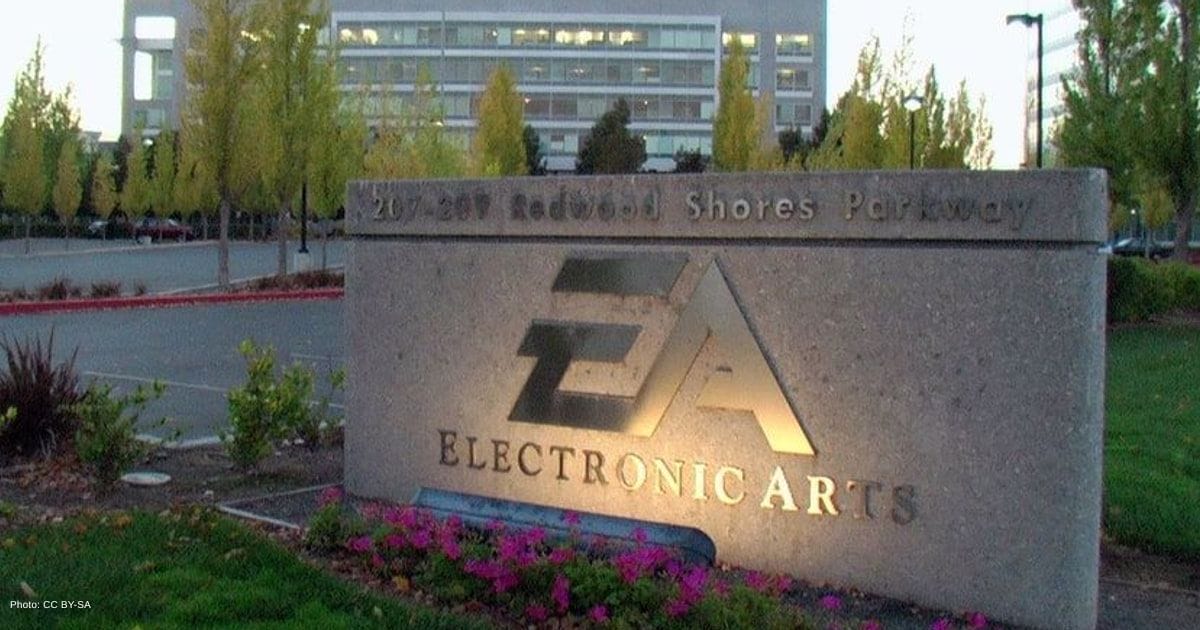
Known by its Nasdaq ticker EA, Electronic Arts remains one of the biggest names in gaming entertainment. The company develops and publishes games across console, PC, and mobile platforms while operating major franchises that continue drawing millions of players worldwide.
From sports titles to multiplayer shooters, EA’s lineup still holds a powerful position in the global market even as competition becomes more intense. Based in Redwood City, the publisher generates revenue throughout North America, Europe, and Asia-Pacific. Traditional full-price game launches continue contributing to earnings, but that model no longer drives the business the same way it once did.
Rising game development costs and slower console sales have pushed major publishers toward recurring digital income instead. Much of EA’s current strategy revolves around live-service gaming, where titles continue generating money long after release through updates, cosmetics, battle passes, and online events.
Popular franchises such as EA Sports FC, Madden NFL, Apex Legends, Battlefield, and The Sims remain central to that approach because they encourage players to stay active inside online ecosystems for months or even years.
Digital spending reshapes EA’s growth strategy
Gamers today spend more time connected online rather than simply finishing a game and moving on. Seasonal updates and multiplayer communities now shape player loyalty almost as much as graphics or gameplay itself. Because of that, recurring spending through in-game purchases has become one of the company’s biggest financial engines.
Apex Legends and EA Sports FC show how live-service games can help keep revenue steady. Instead of depending only on big game launches, Electronic Arts now earns continuous income through digital add-ons and in-game purchases linked to active player communities. That model has become common across modern gaming entertainment and game reviews.
Meanwhile, mobile gaming continues becoming a larger part of EA’s long-term plans. Through acquisitions and partnerships, the publisher has expanded its reach toward casual and mid-core players who spend heavily on free-to-play games supported by in-app purchases. Mobile growth matters because smartphones now represent one of the largest segments of the global gaming industry.
Long-term engagement becomes the main goal
Subscription services also play an increasingly important role. EA Play and platform-bundled memberships help create steadier revenue while encouraging users to remain connected to EA’s broader ecosystem. Cross-platform gaming and digital downloads have become especially valuable as physical game sales continue declining.
Even with those opportunities, risks remain. Regulatory pressure surrounding in-game monetization, economic uncertainty, and fierce competition from rival publishers could still impact future performance. Release schedules can also create short-term swings in earnings and investor sentiment.
Still, the entertainment company appears determined to position itself for a future where gaming is less about one-time purchases and more about long-term engagement. Whether that strategy fully pays off may depend on how successfully the company balances live-service expansion, mobile growth, and player expectations in an increasingly crowded industry.

John Micheal Agustin
John Micheal (sometimes called JM or Mike) has been writing various types of professional articles for almost 2 years now. He is an avid sports fan and has been following the NBA since the early 2000s. He also loves playing a lot of video games like DotA 2, Valorant, but MMOs have a special place in JM's heart. Not only is he a huge fan of basketball and video games, he also loves movies and tv shows. He is a huge MARVEL and MCU fan plus he is into a lot of superhero stuff.
View all articlesRelated Articles
View All
How Paris Elevated EWC 2026 Into Esports’ Next Global Chapter
Paris became a defining esports destination in 2026 when the Esports World Cup expanded onto an international stage. The move...

Dressmaker Turns Cozy Fashion Crafting Into Steam’s New Indie Hit
The indie crafting game Dressmaker turns the quiet art of sewing into a charming Steam experience where creativity, customization, and...
Retro Gaming Accessories Gain Value as Collectors Chase Rare Finds
A forgotten gaming accessory sitting in an old box can become a prized collectible years later. Worldwide, collectors search for...