
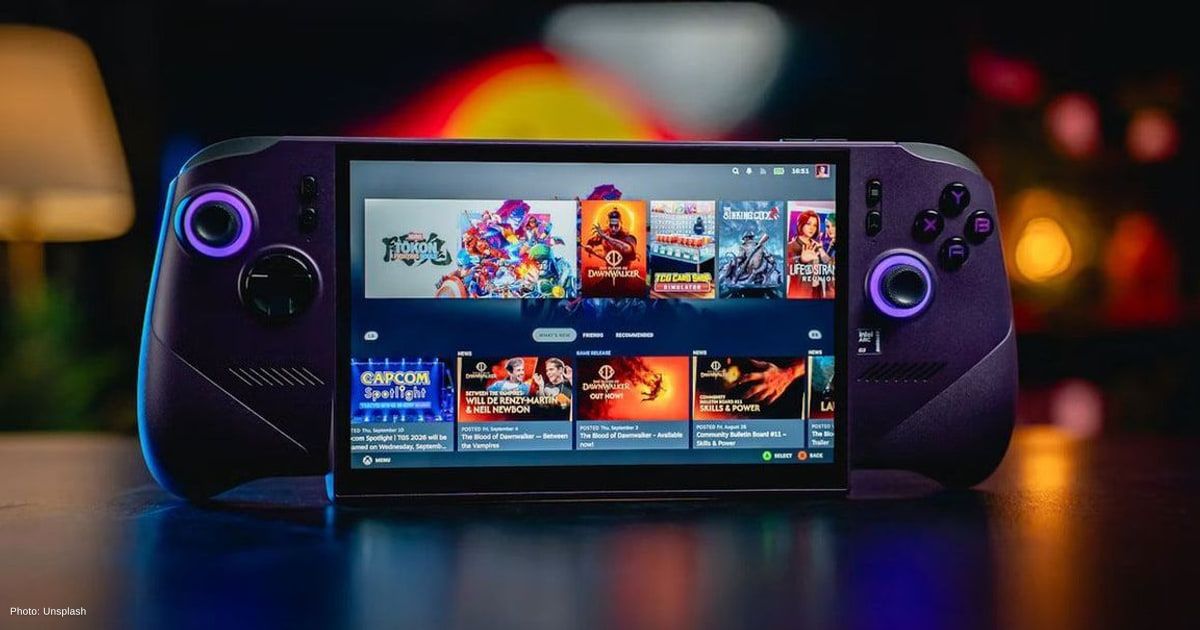
Steam’s Game Releases Hit New High as Indie Developers Fight for Attention
Steam’s expanding catalog gives players more choice, but it also makes it harder to stand out. SteamDB records 21,581 game releases in 2026 so far, already above the 21,246 recorded in 2025. The figures show a growing marketplace, not proof that every new title struggles. For independent studios, the challenge is turning a distinctive idea into a game that the right players can discover, understand, and want to play.
Key Takeaways
Steam’s increasing number of game releases offers players more choice but presents a significant discovery challenge for indie developers seeking attention.
- Steam is experiencing a record high in game releases, with over 21,000 titles launched already in 2026, making it increasingly difficult for individual games to gain visibility.
- Indie developers must focus on clear presentation through polished store pages, engaging trailers, and demos, alongside pre-launch community building and outreach, to attract players.
- While the crowded market makes success harder, original ideas and a deep understanding of target audiences, coupled with effective communication of a game’s unique value, can still lead to dedicated communities and a strong starting point for promising projects.
A crowded storefront raises the stakes
SteamDB counted 18,440 releases in 2024 and 21,246 in 2025. Its 2026 tally is already higher, though the year isn’t over. Players encounter a stream of titles across genres. Latest releases offer variety but make it harder to win attention.
Publishing is only the first milestone. A game competes for wishlists, reviews, coverage, and players’ limited time. Strong ideas can be missed when store pages fail to explain their appeal or launches overlap with anticipated games. Release counts alone cannot measure commercial prospects.
Steam offers discovery features and recommendations, but cannot guarantee every suitable player will see every game. That gap between availability and discovery is the central issue. Gaming trends shift quickly, so studios need to understand audiences and clearly communicate why players should care.
How Indie developers can compete for attention
A polished store page gives potential buyers an immediate sense of a game’s identity. Clear descriptions, compelling screenshots, trailers, and a playable demo can communicate its strengths. These tools cannot guarantee sales, but they help players decide whether a game suits their interests. Good presentation is part of game development, not merely a finishing touch.
Building an audience before launch adds another layer of work. Wishlists, creator outreach, community updates, and playtesting can help studios reach interested players and learn from feedback. Small teams do not need to imitate major publishers. They can focus on communities most likely to value their mechanics, setting, or creative perspective, then refine their message as they learn. Regular communication can maintain interest between announcements and launch.
Gaming industry innovations, including AI-assisted tools, may speed up prototyping and routine tasks. That can help small teams experiment, but it may also lower barriers to entry for more creators to release games. The market impact is still developing, and faster production does not automatically mean more successful titles. Original design, quality assurance, and respect for intellectual property remain important in game development.
Original ideas can still find their audience
A crowded storefront does not make success impossible. Games with a clear identity can attract dedicated communities, especially when developers understand their audience and honestly explain a game’s value. Results vary, and visibility is never guaranteed, but thoughtful planning gives promising projects a stronger starting point. That goal remains achievable.
For players following gaming trends, the latest game releases represent both abundance and a discovery challenge. Developers can build relationships, platforms can improve recommendations, and audiences can look beyond familiar franchises. In a marketplace full of choices, originality matters, but so does helping the right players find it consistently online.

Marcus Kade
Marcus Kade is Managing Editor at Spiel Times, covering breaking gaming news with a focus on the industry's business side. When not writing, he's probably losing a co-op game to his partner.
View all articlesRelated Articles
View All
The Simpsons: Hit & Run Comeback Hinted at, but Fans Still Wait
More than two decades after its debut, The Simpsons: Hit & Run still inspires nostalgia among players who remember cruising...
Warhammer 40,000: Boltgun 2 Impresses Critics Despite Several Frustrating Flaws
Warhammer 40,000: Boltgun 2 is receiving positive early reviews following its release, bringing renewed attention to retro-inspired shooters. The sequel...
Classic SNES RPGs Return With Physical Editions Planned for 2027
The world of Lufia is opening again, and this time its return comes with something collectors can hold. Taito and...