
Game Studios Split Over AI as GDC 2026 Highlights Industry-Wide Changes
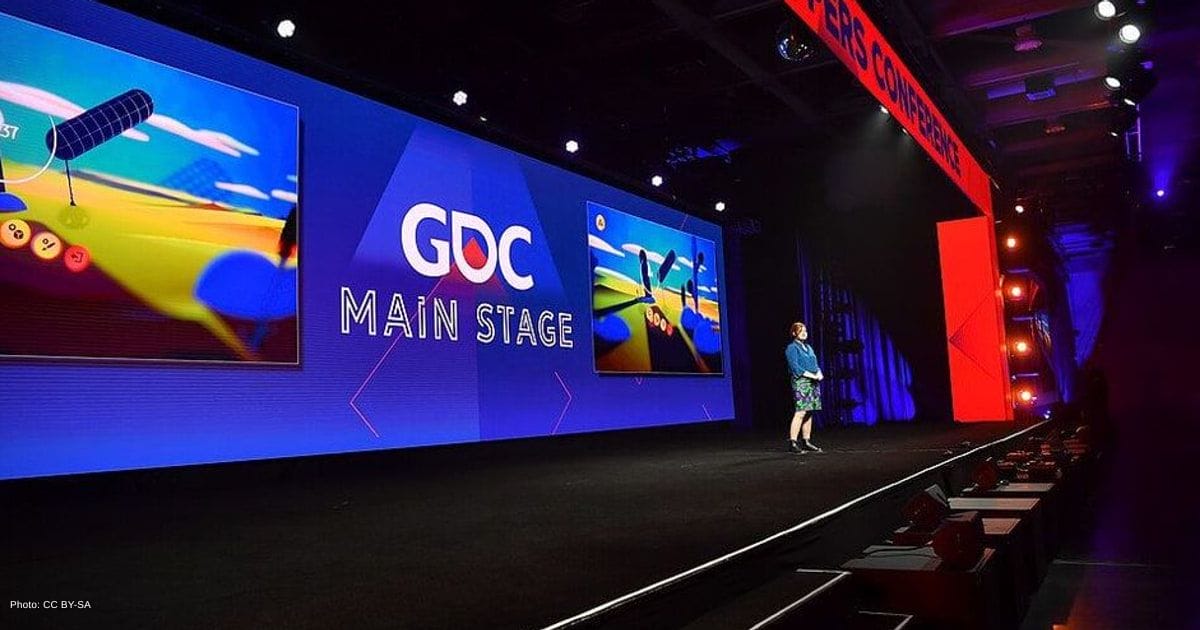
What happens when game development becomes more expensive, competitive, and increasingly tied to AI? That question shaped many discussions during the 2026 GDC Festival of Gaming, where developers, publishers, and investors explored the major changes reshaping modern gaming.
Those conversations were later compiled into the second annual GDC Trends Report. It highlights some of the biggest gaming industry innovations expected to influence future game development. The insights are from panels, interviews, workshops, and discussions involving developers, artists, publishers, and technology leaders worldwide.
Key Takeaways
The 2026 GDC Festival of Gaming highlighted significant changes in the gaming industry, including debates over AI integration and the rise of co-development and mobile gaming trends.
- Game studios are divided over the use of AI in game development, with some embracing its efficiency and others worrying about its impact on creativity and employment.
- The trend of co-development has grown as modern AAA games require larger budgets and teams, enabling smaller studios to survive by sharing resources and collaborating.
- Mobile game developers are focusing on long-term player retention through dual monetization systems and are adapting to funding pressures by utilizing indie investment groups.
Game studios split over AI
One of the biggest talking points? Generative AI. Just a few years ago, many studios were still questioning whether AI tools were actually useful for real production work. That conversation has changed quickly. Developers are now using AI-assisted systems to help with coding, quality testing, dialogue generation, workflow automation, and even parts of asset creation.
Still, not everyone sees AI as a clear win. Where should the limits be? Could heavy AI use eventually hurt creativity? Those concerns continue dividing the industry. Questions surrounding copyright, voice cloning, creative ownership, and job security remain major issues.
Some developers believe AI can remove repetitive tasks and speed up production. Others worry it could reduce opportunities for artists, writers, designers, and localization teams if companies become too dependent on automation.
How co-development becomes essential
Another major trend highlighted in the report is the rise of co-development. Modern AAA games now require enormous budgets, larger teams, and longer production cycles. Because of that, many studios are increasingly partnering with outside developers to help manage workloads.
Co-development is now being used across animation, engineering, multiplayer systems, localization, quality assurance, and live-service support. Smaller studios especially see these partnerships as important for survival in a market dominated by massive publishers and blockbuster franchises.
Instead of functioning as simple outsourcing deals, many co-development arrangements are becoming long-term collaborations that help teams share resources, lower costs, and access specialized talent more easily.
Mobile studios chase long-term players
Mobile gaming trends also received major attention throughout the report. Developers in fast-growing regions like Vietnam are increasingly combining advertising revenue with in-game purchases through “dual monetization” systems. At the same time, many casual and hybrid-casual studios are focusing less on chasing downloads and more on long-term player retention.
Funding pressures also remain a major challenge across entertainment and gaming. Larger studios reportedly struggle to secure publisher backing without strong proof-of-concept demos or early momentum, while indie investment groups and independent game funds are helping smaller developers fill the gap.
The report also touched on changing workplace advocacy and diversity policies throughout the gaming industry. As some companies reevaluate inclusion programs, many marginalized developers reportedly feel uncertain about future hiring opportunities and workplace support.
Following its debut year, the GDC Festival of Gaming will return to San Francisco’s Moscone Center from March 1 to March 5, 2027, as conversations surrounding AI, publishing, financing, and game development continue shaping gaming entertainment.

Kanishma Ray
Kanishma Ray is an entertainment and anime content writer, who's known to play a mean violin (decently, that is). She's an engineering student by day and a wordsmith by night, with a knack for crafting engaging and helpful content that her readers love. When she's not busy writing, you can find her nose buried in a book or controller in hand, consuming media like it's her job (oh wait, it is).
View all articlesRelated Articles
View All
Squadron 42 Reveals New Gameplay and PC Requirements Ahead of 2027 Launch
After more than a decade of development, one of the most ambitious space adventures is moving closer to release. Cloud...

GTA 6 on Switch 2? Nintendo Says It’s Rockstar and Take-Two’s Call
Grand Theft Auto 6 is heading toward its November 19 launch, yet one question keeps coming up: could Vice City...
Ubisoft Wants Its ‘Motherbrain’ AI Across as Many Games as Possible
Ubisoft is taking another step towards making generative AI a bigger part of how it builds games. The company has...