
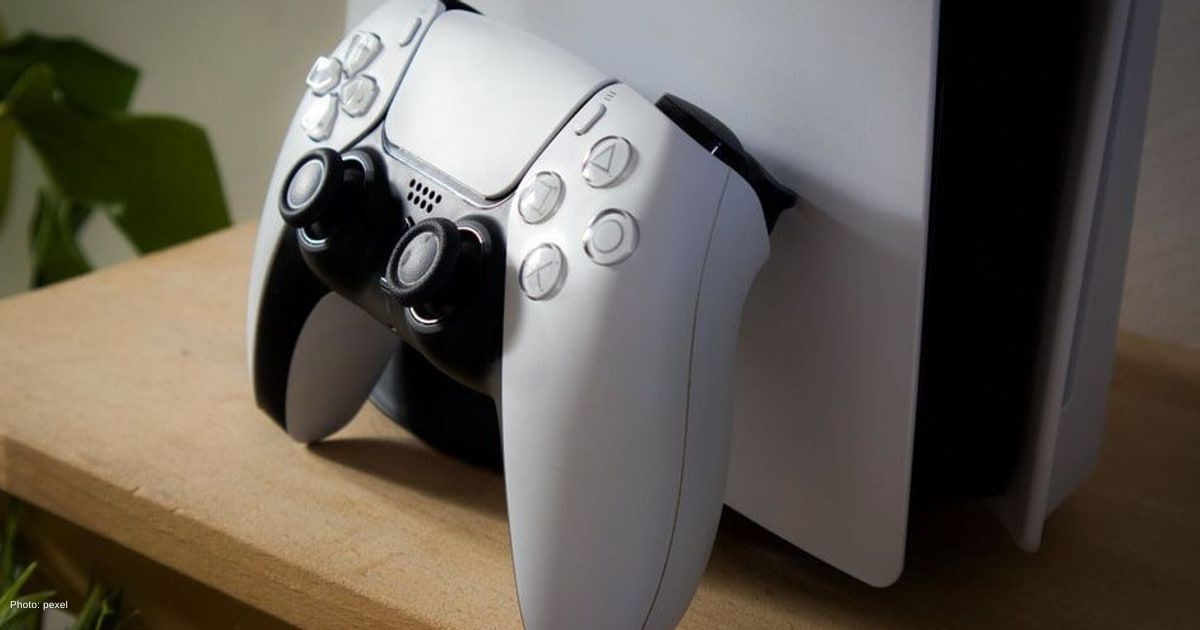
PlayStation’s Digital Push Sparks a New Fight Over Game Ownership
PlayStation’s move toward a disc-free future has turned a business update into one of gaming’s most important consumer debates. Sony Interactive Entertainment says physical disc production for new PlayStation releases will end in January 2028, pushing future purchases deeper into digital formats. For players, the issue is no longer just speed, storage, or convenience; it is ownership, access, preservation, and control in a changing global entertainment market.
Key Takeaways
PlayStation’s transition to a disc-free future has ignited a major debate about game ownership, digital access, and consumer rights in the evolving gaming landscape.
- The shift to digital game purchases, driven by convenience and publisher efficiency, raises concerns for players regarding true ownership, resale, lending, and long-term preservation of games.
- While digital gaming offers benefits like faster access and automatic updates, the reliance on platform accounts and store policies creates a less permanent and transferable form of ownership compared to physical discs.
- PlayStation can rebuild player trust in a digital future by implementing clearer licensing terms, fair refund policies, robust preservation plans, and better offline access, ensuring consumer choice is not sacrificed for convenience.
Why PlayStation’s digital shift is dividing players
Sony’s reasoning is easy to follow. Digital storefronts match how many players already buy the latest game releases, especially across regions where instant downloads, preloads, updates, and account-based libraries are part of daily gaming life. During Sony’s fiscal year ending March 31, 2026, digital downloads accounted for 78% of full-game unit purchases, up from 76% in fiscal 2024. For publishers, the model can streamline inventory and make game development planning more predictable, while giving studios better demand data at scale.
Still, the reaction shows why the issue divides players. Physical discs remain important to collectors, families, renters, secondhand buyers, small retailers, and people with unstable internet access. A disc can be displayed, traded, lent, or preserved in a way a license cannot.
That is why this debate feels bigger than a platform update. It has become one of 2026’s clearest gaming trends because it asks whether convenience should replace consumer choice completely everywhere.
The ownership question behind digital gaming
Digital gaming has real advantages, and players know it. Buying through an online store can be faster than visiting a retailer, while patches and expansions keep games fresh after launch. Game reviews also move quickly in this environment, giving global audiences faster reactions to performance and content.
The problem is that digital access can feel less permanent. A physical copy gives buyers something visible and transferable. A digital purchase usually depends on account access, store policies, regional availability, and the platform’s support. That difference sits at the heart of the ownership question.
For Sony, the move may support cleaner distribution and more efficient game development. For consumers, it raises concerns about pricing, refunds, preservation, and competition. If most purchases flow through one storefront, players may have fewer alternatives when prices rise or titles disappear. Retailers and preservation advocates also lose leverage in an ecosystem built around direct digital control.
This is why the backlash matters. It is not simply resistance to progress. It is a request for a digital future that respects the money, memories, and trust players have invested.
How PlayStation can rebuild trust in a digital future
The best outcome is not a return to the past. It is a smarter digital model that gives players confidence. PlayStation can rebuild trust through clearer license terms, fair refund systems, reliable preservation plans, stronger offline access, and wider retailer support for digital codes across regions and budgets.
For the wider entertainment industry, this moment is both a warning and an opportunity. Gaming trends will keep moving toward digital access, but growth should not come at the cost of consumer trust. If platforms protect choice while improving convenience, digital gaming can become more than a forced transition; it can become a stronger, fairer, and more sustainable future for players worldwide.

John Micheal Agustin
John Micheal (sometimes called JM or Mike) has been writing various types of professional articles for almost 2 years now. He is an avid sports fan and has been following the NBA since the early 2000s. He also loves playing a lot of video games like DotA 2, Valorant, but MMOs have a special place in JM's heart. Not only is he a huge fan of basketball and video games, he also loves movies and tv shows. He is a huge MARVEL and MCU fan plus he is into a lot of superhero stuff.
View all articlesRelated Articles
View All
Gears of War: E-Day’s $500M Cost Rumor Puts Xbox Exclusivity on Trial
A reported half-billion-dollar bill has made Gears of War: E-Day more story than firefights. On October 22, Kotaku cited a...
Mika Games Raises $10M to Fund Tests Mobile Studios Struggle to Run
Mobile game studios face a frustrating funding trap: financiers want proof that players will stick around, yet gathering that proof...

Google’s Free Browser Experiment Hints at the Future of AI Gaming
A racing game that begins as a sentence sounds more like a pitch than a playable project. Google’s Playground is...