
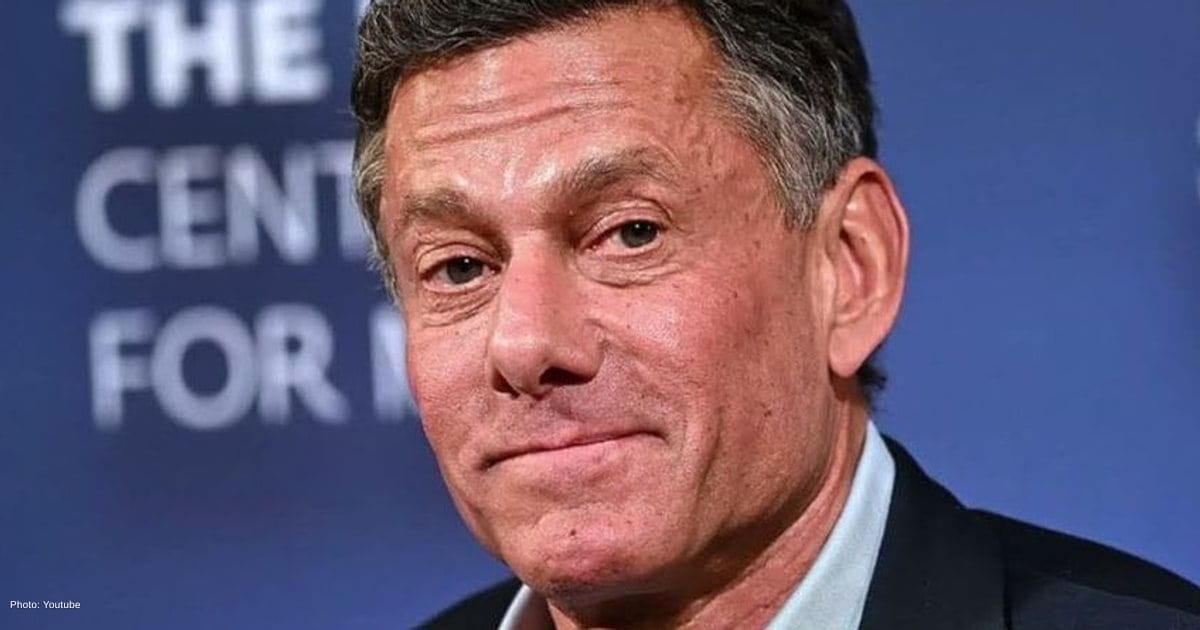
The unlikely CEO behind GTA VI has a game plan of his own
Strauss Zelnick is not the obvious face of Grand Theft Auto VI, and that is what makes him fascinating. The chairman and CEO of Take-Two Interactive oversees Rockstar’s parent company, yet he reportedly does not play video games himself. That contrast gives GTA VI a sharper business: one of entertainment’s biggest game development bets guided by a leader outside the controller’s glow.
Key Takeaways
Strauss Zelnick, a non-gamer CEO of Take-Two Interactive, oversees the development of Grand Theft Auto VI, emphasizing business strategy over creative gameplay.
- Strauss Zelnick’s background in media and investment brings a unique perspective to the video game industry, focusing on business operations rather than game development.
- GTA VI is projected to be a high-stakes release, with estimated costs ranging from $1 billion to $1.5 billion, indicating the scale and ambition of premium game development.
- Zelnick encourages the use of AI tools to enhance productivity and creativity, emphasizing the importance of technology to assist, not replace, human creators.
A media executive in a Rockstar world
Zelnick’s path began far from Vice City. Before taking the top seat at Take-Two, his career moved through film, music, gaming, and media investment, with senior roles tied to 20th Century Fox, Crystal Dynamics, BMG Entertainment, and ZelnickMedia. Since Rockstar Games operates under Take-Two’s label structure, the business chain behind GTA VI matters as much as the spotlight on the game itself.
The background gives him a different lens. He is not presented as a controller-first leader, but as a media operator focused on brands, budgets, talent, and timing.
That separation becomes important with GTA VI. Rockstar handles the creative world-building, while Take-Two’s leadership supports the corporate structure around it. In a market where game reviews, trailers, and delays can move public expectations instantly, Zelnick’s role is less about playing and more about steadying the business around the craft globally.
The high-stakes game plan behind GTA VI
Rockstar has officially set Grand Theft Auto VI for November 19, 2026, saying the added months will help the studio finish the game with the level of polish players expect. That makes the launch both a calendar event and a test of patience. It is not merely a marketing milestone worldwide anymore.
The scale is unusually large. Business Insider reported analyst estimates placing GTA VI’s possible cost between $1 billion and $1.5 billion, a range that should be understood as an estimate, not a confirmed Take-Two budget. Even so, it reflects how premium game development now rivals film in ambition, workforce, and risk.
The pressure also explains why AI has become part of the conversation. Reporting says Take-Two encourages employees to use AI tools to improve productivity, while Zelnick has argued that easier tools often raise creative ambition instead of simply lowering costs.
That is where gaming industry innovations become practical, not magical. For major studios, the future of gaming will depend on using technology to assist artists, designers, engineers, writers, and producers without replacing the judgment that makes worlds feel alive.
The long game behind the hype
Technology is only one part of that wider strategy. By bringing Cfx.re, the team behind FiveM and RedM, into Rockstar Games, the company signaled a deeper respect for creator communities. It did not turn every mod into official canon, but it acknowledged how player-made roleplay can expand entertainment beyond the original script.
Zelnick’s most useful takeaway for GTA VI. A leader does not need to be the loudest player in the lobby to protect the mission. Sometimes the real power-up is patience, resources, and enough confidence to let builders build something that lasts.
As gaming grows into a larger global entertainment force, that kind of long-game leadership may be what turns one blockbuster release into a stronger future for game development itself.

John Micheal Agustin
John Micheal (sometimes called JM or Mike) has been writing various types of professional articles for almost 2 years now. He is an avid sports fan and has been following the NBA since the early 2000s. He also loves playing a lot of video games like DotA 2, Valorant, but MMOs have a special place in JM's heart. Not only is he a huge fan of basketball and video games, he also loves movies and tv shows. He is a huge MARVEL and MCU fan plus he is into a lot of superhero stuff.
View all articlesRelated Articles
View All
GTA 6 Hits Brooklyn With New Mural and Miami Heat Vice City Tie-In
Grand Theft Auto VI is bringing Vice City beyond trailers and screenshots. On October 1, fans spotted a large GTA...
Capcom Hints at More Resident Evil Remakes Ahead of Planned Crossover
Capcom has bigger plans for Resident Evil than simply bringing its older titles back with modern graphics. The publisher is...
Tokyo Game Show Marks 30 Years of Gaming Milestones, Launches, and Legacy
Tokyo Game Show (TGS) 2026 celebrates three decades of shaping gaming culture, bringing together players, creators, and the global gaming...