
Sony’s PlayStation Disc Exit Leaves Ownership, Collecting, and the Digital Future in Question
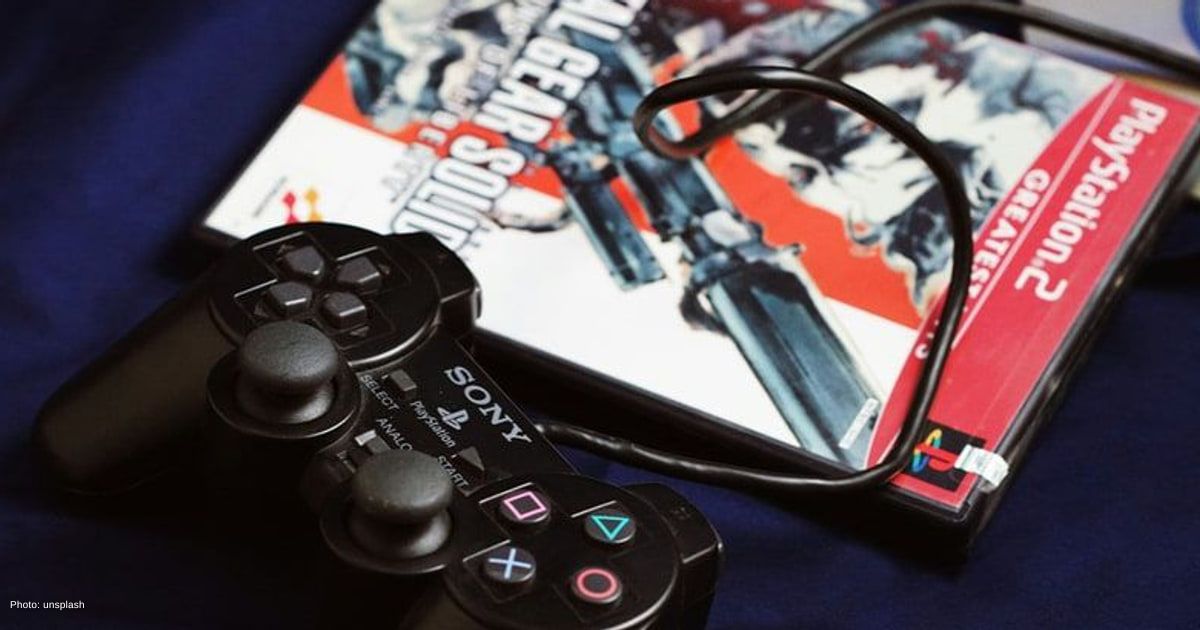
Last week Sony announced that it will stop releasing new PlayStation games on physical discs from January 2028, marking one of the biggest changes in the platform’s history. The company says the decision reflects changing buying habits, but it has also reopened the conversation about digital ownership, collecting, and the future of physical games.
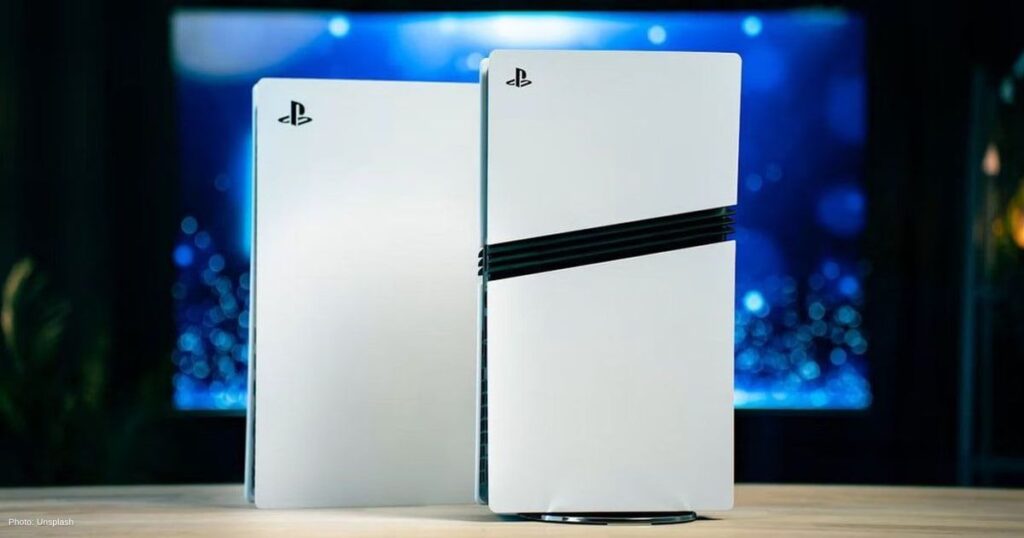
According to Sony, digital purchases now account for the overwhelming majority of PlayStation game sales, while physical distribution contributed just three percent of the company’s revenue last year. Many players had already expected this move after the disc-free PS5 Pro launched in 2024, making the latest announcement the next step in the company’s digital strategy.
Key Takeaways
Sony’s discontinuation of new PlayStation game discs from 2028 raises significant questions about digital ownership, game collecting, and the long-term preservation of gaming history.
- Collectors express concern over the loss of physical discs, which enable trading, reselling, sharing, and long-term access to games, especially as digital licenses can expire and storefronts may close.
- The move amplifies debates around digital ownership, highlighting that digital purchases are subject to licensing agreements and may not offer the same permanence as physical media.
- The industry-wide shift towards digital distribution prompts discussions about pricing fairness for digital games and the future of game preservation in an increasingly digital landscape.
What changes next
The new policy only applies to games released after the transition. Future PlayStation games released after the transition will no longer launch on physical discs. Sony has also confirmed that publishers will still be able to release boxed retail editions using digital download codes instead of physical media.
Meanwhile, Sony confirmed that publishers can continue ordering additional print runs for PS4 and PS5 games released before the change. The company also said the ordering process for those reprints will be updated, although it has not explained how the new system will work.
The wider discussion
Collectors remain unconvinced
Although Sony will continue supporting physical games released before the transition, the announcement has done little to ease concerns among collectors. Many are still wondering what an all-digital future could mean once new PlayStation games stop arriving on discs.
For many collectors, physical games offer advantages that digital libraries cannot fully replace. Disc-based titles can be traded, resold, shared with friends, or added to long-term collections.
Used copies also keep older games available after they disappear from online stores because of expired music, vehicle, or character licenses, giving players another way to access many latest game releases years later.
Digital ownership under scrutiny
Debate over digital ownership intensified after Sony confirmed that more than 550 Studio Canal-distributed movies will disappear from users’ PlayStation Network libraries because of expiring licensing agreements. Although the announcement involves movies rather than games, it reminded players that digital purchases can still depend on licensing agreements that may eventually change.
Game preservation has also become part of the discussion. Museums, historians, and preservation groups have long argued that physical releases help protect gaming history. Continued game development is increasingly tied to digital distribution, which could make preserving future PlayStation titles more difficult if storefronts close or digital licenses expire.
Opinions were far from unanimous. Some said they still prefer buying physical discs because they trust them more than digital libraries. Others argued that physical ownership has already changed since many modern games require downloads or online verification before they are fully playable.
Digital pricing questions
Pricing also became a talking point. Some players questioned why downloadable games often cost the same as physical editions despite eliminating manufacturing and shipping expenses. Others argued that digital storefronts still require servers, bandwidth, maintenance, and security, although many agreed lower operating costs should eventually benefit consumers.
Where the gaming industry is heading
Elsewhere, similar changes are already taking place across the industry. Xbox continues expanding its digital strategy, Nintendo now sells game-key cards that require downloads, and Rockstar Games plans to use code-in-box packaging for GTA 6.
As publishers prepare the top upcoming video game releases, fans will be watching to see how those decisions shape gaming habits. At the same time, evolving gaming trends could change how players experience the latest game releases, with future top upcoming video game releases likely redefining how games are bought, collected, and preserved.

Kanishma Ray
Kanishma Ray is an entertainment and anime content writer, who's known to play a mean violin (decently, that is). She's an engineering student by day and a wordsmith by night, with a knack for crafting engaging and helpful content that her readers love. When she's not busy writing, you can find her nose buried in a book or controller in hand, consuming media like it's her job (oh wait, it is).
View all articlesRelated Articles
View All
Forza Horizon 6 PS5 Release Date Leak Points to January 2027
PlayStation racing fans may have a new date to look forward to as Forza Horizon 6 reportedly nears its PS5...
PlayStation’s Disc Future Faces New Questions After Reported Developer Survey
PlayStation’s approach to physical games is entering a new stage as reports suggest Sony Interactive Entertainment has gathered developer feedback...
Marvel’s Wolverine Players Defy Critics as Insomniac Reportedly Gets Ready for Venom
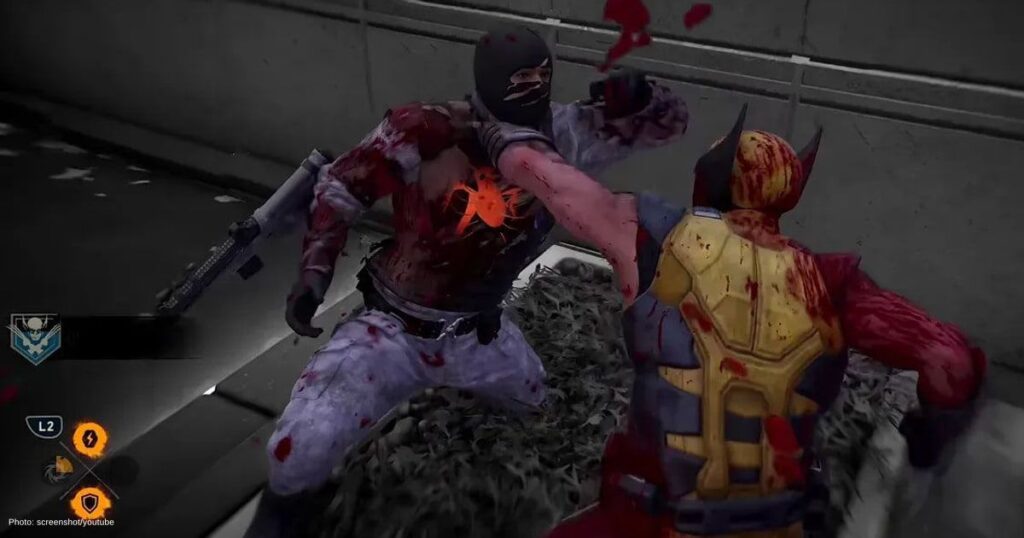
Marvel’s Wolverine has finally reached PlayStation 5, and its arrival is already creating an unusual divide. Early players appear considerably...