
Gaming Beyond Screens With Cloud, AI, and the Rise of Immersive Worlds
The gaming industry is entering a new chapter in 2026, in which cloud technology, artificial intelligence, and immersive experiences are reshaping how players interact with digital worlds. Gaming is moving beyond traditional screens as creators explore new possibilities in accessibility, storytelling, and connection. These gaming industry innovations are not replacing classic gaming experiences but are gradually creating a more flexible, intelligent, and immersive future.
Market forecasts highlight the scale of these transformations. Cloud gaming continues to expand as faster connectivity, 5G adoption, and cross-device gaming experiences improve accessibility. Meanwhile, the AI in games market is projected to experience significant growth through 2029 as developers increasingly adopt smarter tools for game development, content creation, and player engagement.
Key Takeaways
The gaming industry is evolving beyond traditional screens in 2026, driven by cloud technology, AI, and immersive experiences that enhance accessibility, storytelling, and player connection.
- Cloud gaming is expanding accessibility to high-quality games by enabling them to stream to various devices, reducing reliance on expensive hardware, and is projected for continued market growth.
- Artificial intelligence is revolutionizing game development and player experiences by improving workflows, enabling smarter NPCs, and creating personalized gameplay, while also prompting discussions on ethical AI use.
- Immersive technologies like VR and AR, alongside advancements in cloud and AI, are pushing gaming beyond traditional screens, focusing on richer interactions, creative possibilities, and deeper player connections in accessible and inclusive digital worlds.
Cloud gaming expands access beyond traditional hardware
Cloud gaming is changing how players access high-quality experiences by allowing games to run on powerful remote servers and stream to supported devices. Services such as Xbox Cloud Gaming and NVIDIA GeForce NOW demonstrate how streaming technology can reduce dependence on expensive hardware while giving more players access to premium titles.
Although consoles and gaming PCs remain important, cloud gaming is creating a more flexible ecosystem for entertainment. Industry analysts expect the cloud gaming market to continue expanding through 2030, supported by improved networks, 5G deployment, and demand for cross-device experiences.
Beyond player access, cloud technology is also influencing game development. Studios can use cloud-based infrastructure for collaboration, testing, and creative experimentation. However, challenges involving latency, internet availability, and infrastructure costs remain important factors in determining adoption worldwide.
AI and immersive tech transform player experiences
While cloud technology changes how games are delivered, artificial intelligence is transforming how games are created and experienced. AI tools are helping developers improve workflows, support testing, generate assets, and explore new approaches to interactive storytelling without replacing human creativity.
AI-driven systems are also creating opportunities for smarter non-player characters, adaptive gameplay, and personalized experiences. These gaming industry innovations are reshaping entertainment while raising discussions about ethical AI use, originality, and responsible development practices.
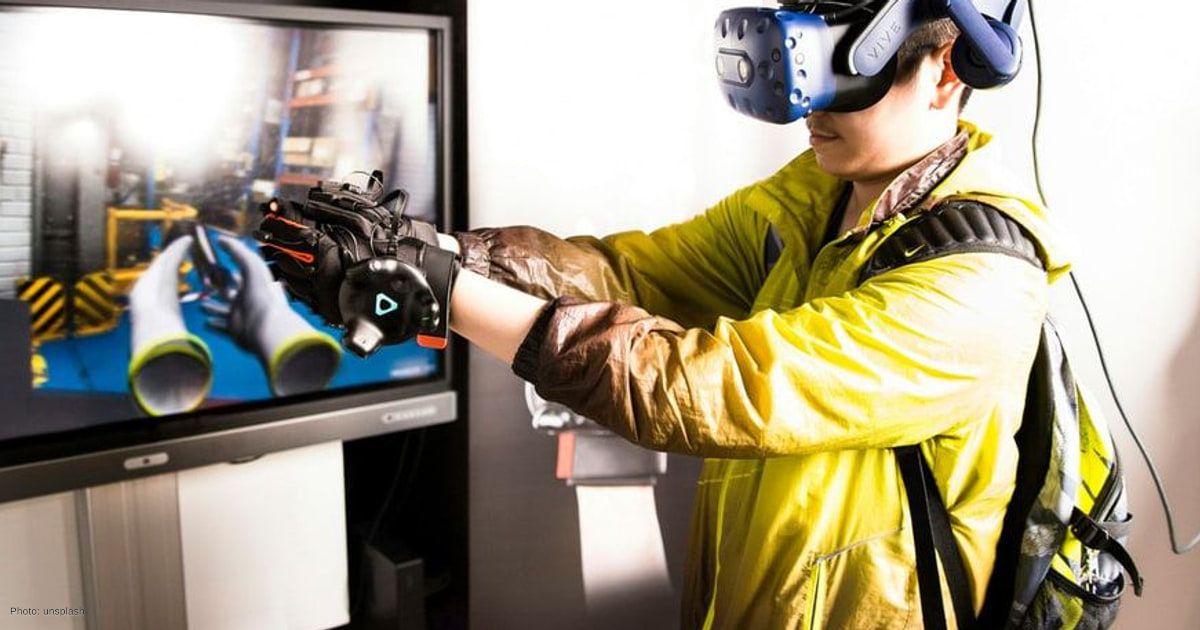
Beyond AI, virtual reality and augmented reality continue pushing gaming beyond traditional screens. VR creates immersive environments through spatial interaction, while AR blends digital elements with real-world surroundings. Although adoption depends on hardware costs, comfort, and accessibility, these technologies remain important gaming trends that will shape future experiences.
Building the next generation of immersive gaming worlds
The future of gaming will not be defined by technology alone. Successful experiences will combine innovation with accessibility, thoughtful design, and meaningful connections between players. Inclusive features, customizable controls, and improved accessibility options are helping more audiences participate in interactive entertainment.
As cloud platforms, AI tools, and immersive technologies continue evolving, the gaming industry is moving toward richer worlds and deeper experiences. The next era will not simply focus on better graphics but on smarter interactions, creative possibilities, and stronger connections between players and digital spaces.
The journey beyond screens is still unfolding. Through responsible innovation and imaginative game development, gaming continues to expand as a global form of entertainment, offering new ways for audiences to explore, create, and connect in increasingly immersive worlds.

Marcus Kade
Marcus Kade is Managing Editor at Spiel Times, covering breaking gaming news with a focus on the industry's business side. When not writing, he's probably losing a co-op game to his partner.
View all articlesRelated Articles
View All
Google’s Free Browser Experiment Hints at the Future of AI Gaming
A racing game that begins as a sentence sounds more like a pitch than a playable project. Google’s Playground is...

Google DeepMind’s AI Agents Beat Minecraft by Coding for 27 Hours
Most Minecraft players face the Ender Dragon with weapons, armor, and strategy. Google DeepMind’s AI agents brought something different: JavaScript....
Nintendo Stands by Physical Games as the Industry Shifts to Digital
A game box on a shelf can still represent something special: a collection to revisit and keep. As digital storefronts...