
Liquid Swords’ Collapse Exposes the Risk of Betting on One Hit
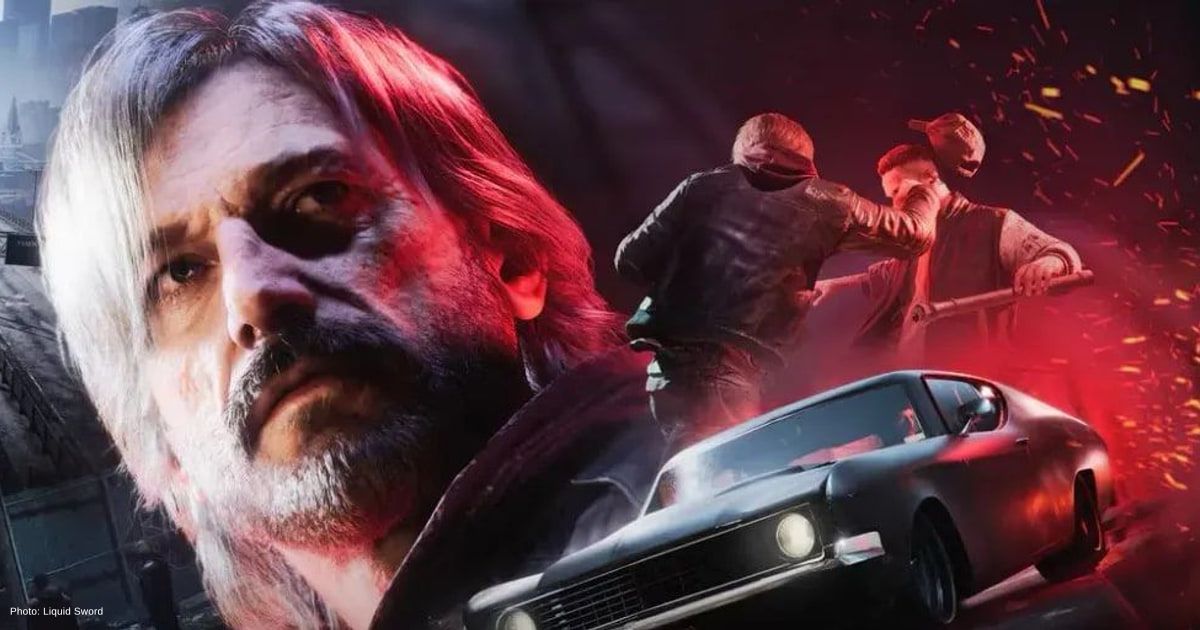
Liquid Swords’ bankruptcy, just six months after its debut game reached players, shows how quickly a studio’s prospects can change. Samson attracted attention, but technical problems and mixed reviews limited its momentum. The Swedish developer’s closure doesn’t prove studios built around one release are doomed. It shows how little time a single-game business has to recover when sales, cash flow, and costs fail to align for long.
Key Takeaways
The collapse of Liquid Swords after the underperformance of its debut game, Samson, highlights the significant financial risks and tight margins faced by game development studios relying on a single release.
- Liquid Swords’ bankruptcy, just six months after its game Samson’s release, demonstrates the precariousness of studios built around a single title, as technical issues and mixed reviews led to insufficient sales to cover operational costs.
- The case of Liquid Swords illustrates a broader risk in game development: even with reported sales and revenue, a lack of profitability and insufficient cash flow due to ongoing expenses like salaries and marketing can quickly lead to financial collapse.
- To mitigate the ‘one-hit wonder’ risk, studios should focus on testing demand early, managing scope, maintaining cash reserves, planning for slower sales, and potentially diversifying income streams, while acknowledging the human element remains crucial in game creation.
One debut left little room for error
Avalanche co-founder Christofer Sundberg founded Liquid Swords in 2020. Samson began as an action RPG, but funding difficulties led the team to scale back. After staff cuts in 2025, it launched on PC in April 2026; console editions followed in September.
The launch was troubled. Critics reported bugs and technical issues, game reviews were mixed, and Samson earned a Metacritic critic average of 51. Updates followed, but patches cannot reverse early impressions or guarantee the sales needed to fund future work.
Liquid Swords was declared bankrupt October 12; Sundberg later confirmed closure. Reports said employees went unpaid for two months. Administrator figures listed 151,900 copies sold and SEK 24.1 million (approximately US$2.43 million) in reported revenue by October 14. The figures show activity, but revenue is not profit, and costs remain undisclosed.
Why sales could not keep the studio afloat
Sundberg said Samson sold better on consoles than on PC, but that performance was not enough to save the studio. Reports described a severe liquidity problem, while public information does not establish precisely how much each factor contributed. Sales can be recorded before the cash needed for wages and suppliers is available.
This is a broader game development risk, not proof that every studio needs multiple releases. Salaries, marketing, platform fees, production, and post-launch support all create costs. If one launch underperforms, reserves or additional funding can buy time to respond. Gaming trends reward novelty in a crowded market, but visibility and game reviews do not guarantee enough demand to cover obligations.
That pressure is also shaping Sundberg’s plans for his next studio. He has described a smaller team, lower overhead, and a project he can afford without perfect sales forecasts. He has discussed using AI for prototyping and testing, not replacing developers or bypassing quality checks. In entertainment, automation helps only when teams deliver a game players value. Game development still depends on human judgment and careful creative decisions.
How studios can reduce one-hit risk
Studios can learn from the collapse without abandoning ambition. They can test demand early, control production scope, protect cash reserves, and plan for slower sales. A second project, publishing partnership, or recurring income may reduce dependence on one release, provided added costs remain manageable.
To everyone who worked at Liquid Swords, our partners and everyone who supported us and played Samson: thank you. You gave us plenty of reasons to keep fighting, and the work we did together deserves to be remembered for more than how the company ended.
Christofer Sundberg
Beyond the business lessons, the collapse affects the people who built Samson. Sundberg says talks about continued support are ongoing, but no deal is guaranteed. The game reached PC and consoles, and the team’s work deserves recognition beyond its ending. In today’s gaming market, survival requires financial discipline and room to adapt when launches fall short.

Marcus Kade
Marcus Kade is Managing Editor at Spiel Times, covering breaking gaming news with a focus on the industry's business side. When not writing, he's probably losing a co-op game to his partner.
View all articlesRelated Articles
View All
Console gaming embraces casino-style entertainment
The living room once held a clear divide between video games and casino play. That line is now fading as...

Breaking the spin: mandatory play breaks may influence online gambling behaviour
Time can behave strangely inside the glowing ecosystem of online casinos. Games spin quickly, wins and losses arrive in seconds,...