
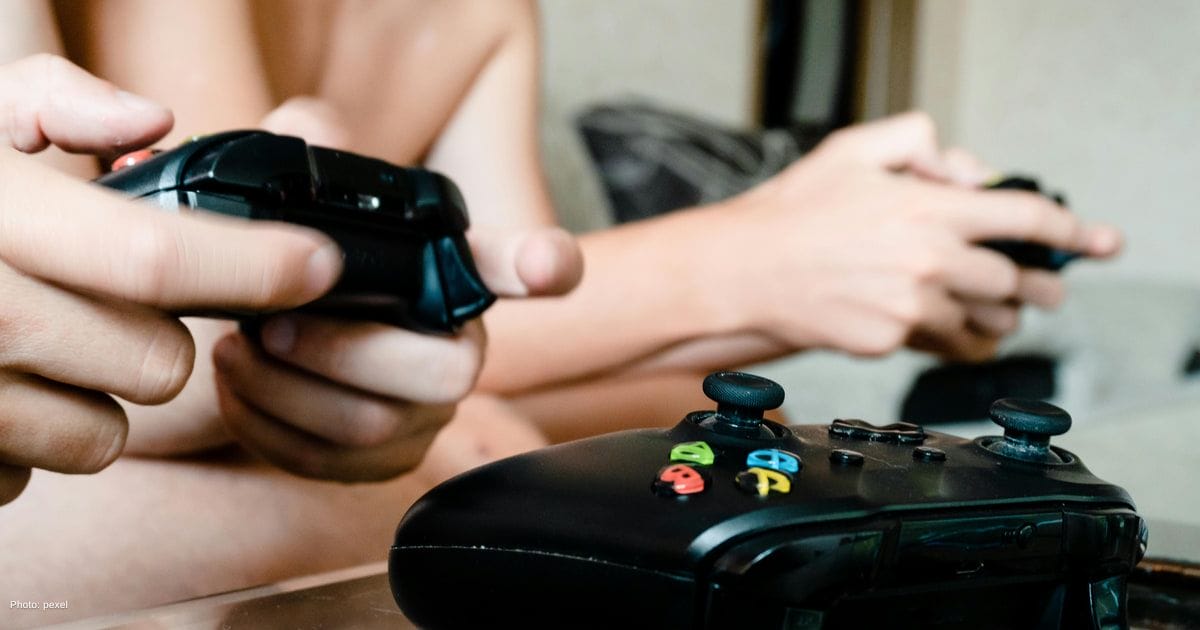
How multiplayer games turn simple matches into shared moments
Online gaming is no longer just about playing alone. These days, multiplayer games feel more like digital hangout spots where friends can talk, team up, and share moments in real time.
Think about it, how often do people jump into a game just to spend time together? As technology connects more parts of daily life, gaming has become another way friends stay in touch. Playing together can strengthen friendships, encourage teamwork, and even give people a break from everyday stress.
Social interaction is a key part of multiplayer gaming. Online games let players connect through voice chat, messages, and cooperative gameplay, allowing them to talk, plan strategies, and celebrate wins together, an important element shaping modern gaming trends.
Multiplayer games also bring together players from different countries and cultures. By working and competing together, players build connections and expand their social circles beyond their local communities.
Key Takeaways
Multiplayer games have evolved into social hubs where friends can connect, share experiences, and build relationships.
- Multiplayer games enhance friendships through shared experiences, social interaction, and teamwork.
- Online gaming promotes mental well-being by reducing stress and improving communication skills.
- Organizations are using multiplayer games for virtual team building, fostering trust and collaboration among employees.
Strengthening friendships through gaming
Playing games with friends creates shared experiences that often strengthen existing relationships. One study from Oxford Internet Institute found that social play and positive interactions were linked to higher well-being and stronger social connections.
A challenging mission, a close match, or a memorable victory can become stories friends talk about long after the game ends. These shared moments help build stronger emotional connections.
Gaming together also encourages teamwork. Players often need to coordinate strategies, communicate clearly, and support each other to achieve objectives. Whether defending a base, completing a quest, or competing in tournaments, the process of working toward a common goal reinforces trust and cooperation.
Friendly competition can also enhance relationships. Rivalries between friends in games often remain lighthearted, creating opportunities for laughter, encouragement, and shared excitement.
The mental benefits of multiplayer games
Multiplayer games require players to share information quickly and clearly. Teammates often discuss strategies, warn others about threats, and coordinate actions during fast-paced matches. These interactions help improve communication and teamwork.
Players also learn to adjust to different communication styles. Online gaming often connects people from different countries and cultures, encouraging patience, clarity, and cooperation. The social side of gaming is significant, with 80% of gamers meeting new people through online games and 77% using games to stay connected with friends.
Playing with friends can also reduce stress. Games offer a break from daily responsibilities while providing a fun activity to enjoy together. Sharing victories and challenges makes the experience more rewarding.
Multiplayer games also keep the mind active. Many require strategy, quick decisions, and problem-solving, helping players stay mentally engaged while adapting to new challenges.
Multiplayer gaming in virtual team building
Organizations have also begun using multiplayer games for virtual team building. Platforms like Guul Games offer interactive spaces where colleagues join cooperative challenges or friendly competitions, blending teamwork with entertainment. These activities help remote teams build trust, improve communication, and create a sense of community.
Regular gaming sessions can strengthen workplace relationships by giving employees opportunities to interact outside traditional work discussions. Creating dedicated gaming channels within company communication platforms also encourages participation and ongoing engagement.

Marcus Kade
Marcus Kade is Managing Editor at Spiel Times, covering breaking gaming news with a focus on the industry's business side. When not writing, he's probably losing a co-op game to his partner.
View all articlesRelated Articles
View All
Crkd Nitro Deck 2 Brings New Switch 2 Features, but One Flaw Spoils the Experience
Handheld gaming has come a long way, and players now have plenty of accessories promising to make their favourite consoles...

GameMaker Makes GMRT Free for Commercial Games on PC and More in 2027
Beginning January 1, 2027, independent creators will be able to release commercially distributed games built with GameMaker’s GMRT runtime across...
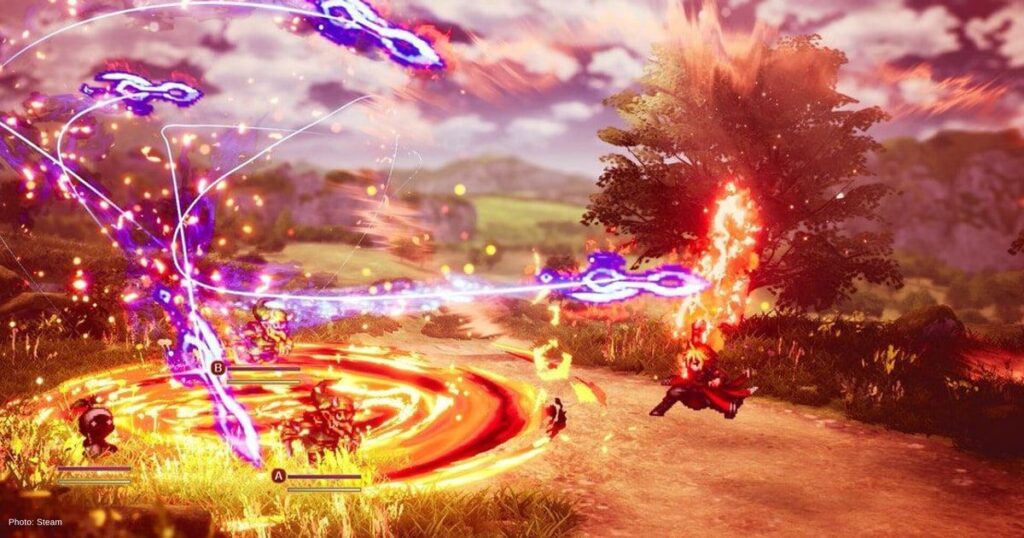
Final Fantasy Resonance’s $49.99 HD-2D Launch Bets on Turn-Based RPGs
Final Fantasy once made every turn feel consequential, and Square Enix is giving that rhythm another chance to shine. Launched...