
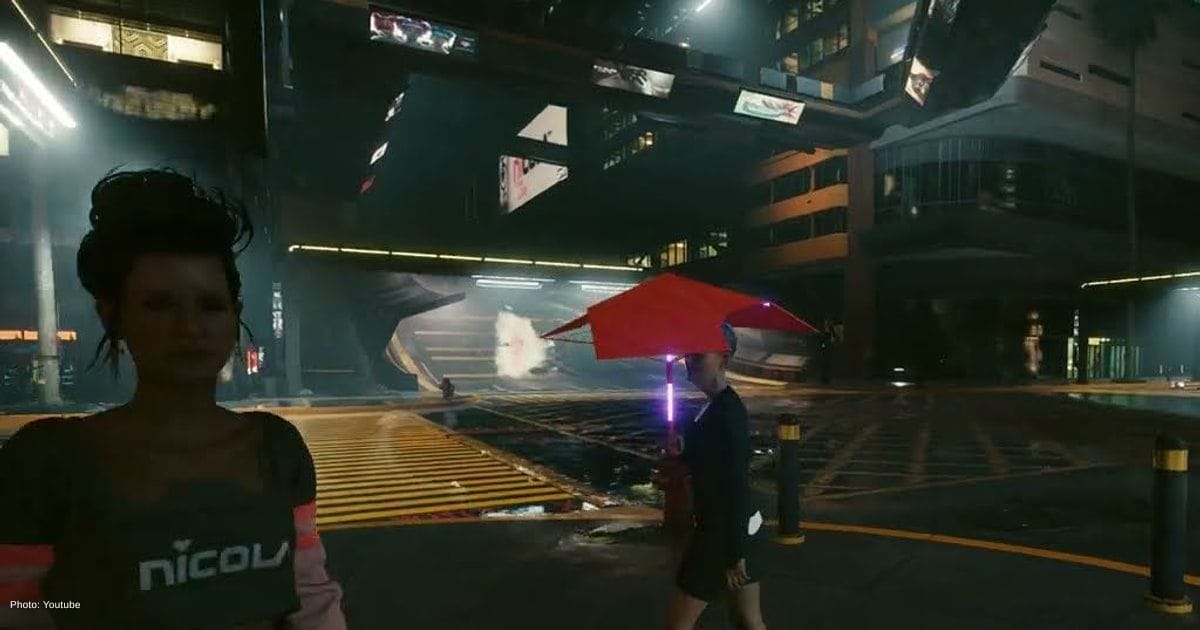
The design secrets behind gaming’s most immersive worlds
Over the past two decades, open-game worlds have expanded in both design and scale. Early titles offered large areas for simple exploration, while modern games create living environments filled with characters, stories, and systems that react to player choices. Successful design blends exploration, narrative, and gameplay into one cohesive experience within today’s growing entertainment industry.
Games like The Legend of Zelda: Breath of the Wild, The Witcher 3: Wild Hunt, and Grand Theft Auto V show how carefully built environments turn exploration into the heart of the experience. Creating these worlds requires strong planning, technical tools, and a deep understanding of player behavior, skills central to modern game development.
A key concept in level design is the “40-second rule.” It suggests players should encounter something interesting every 30–40 seconds while exploring, whether it’s a landmark, hidden item, puzzle, NPC interaction, or enemy encounter. The goal is to keep players curious and engaged.
Key Takeaways
Modern open-world game design focuses on blending exploration, narrative, and gameplay to create immersive environments that keep players engaged and curious.
- The ’40-second rule’ ensures players encounter interesting elements every 30-40 seconds to maintain engagement.
- Carefully placed points of interest, such as quests and landmarks, enhance world-building and pacing.
- Creating massive open-world games can be extremely expensive, with AAA titles requiring budgets between $30 million and $200 million.
Continuous discovery in game worlds
If players wander too long without discovery, exploration begins to feel empty. The 40-second rule solves this by spacing meaningful interactions throughout the world.
The Witcher 3 helped popularize this approach by filling its map with quests, villages, monsters, and environmental stories. Breath of the Wild uses shrines, puzzles, and visible landmarks to guide exploration, while Dark Souls III leads players toward secrets and challenges at carefully timed intervals. This approach continues to influence modern gaming trends.
This design strategy offers several benefits. First, it keeps players engaged by creating a constant sense of discovery. Second, it strengthens world-building because points of interest, such as ruins, camps, or caves, tell stories about the world without relying on dialogue. Third, it improves pacing, making exploration feel purposeful rather than random.
From indie budgets to AAA blockbusters
However, building massive worlds can be extremely expensive. AAA open-world games often require budgets between $30 million and over $200 million. Large teams of programmers, artists, designers, and writers may spend several years developing environments, AI systems, animations, and story content.
Major costs include environment creation, asset development, programming, sound design, and marketing. Independent developers typically operate on smaller budgets, usually between $500,000 and $10 million. By using tools like Unity or Unreal Engine and reusing assets, smaller teams can still produce impressive open-world games.
Role-playing games (RPGs) focus on character progression, storytelling, and player choices. Sandbox-style games emphasize exploration and freedom across large environments. Many titles blend both approaches, with games like Red Dead Redemption 2 and Skyrim combining deep narratives with vast worlds to explore.
The technical scale of modern game worlds
Development time can also be long. AAA open-world games usually take three to seven years to complete. Indie projects may take one to three years, while smaller mobile open-world titles sometimes take less than a year.
The technical scale can be massive as well. Grand Theft Auto V, for example, is estimated to contain about 100 million lines of code supporting physics, AI systems, world simulation, and multiplayer features. Despite the challenges, modern tools make game creation more accessible.
With strong planning, creativity, and continuous testing, developers can build immersive worlds that players enjoy exploring for years, continuing to shape the future of game development and interactive entertainment.

JC Paredes
Since March 2021, I've worn two hats at Spiel Times: a writer and a Managing Editor. In my writing role, I've earned recognition from Wikipedia and Nev Schulman (Catfish TV Show host) for my insightful analysis and engaging narrative style. I'm passionate about all things gaming, with a keen eye for detail and a knack for uncovering hidden secrets within games. My gaming journey began at a young age, captivated by titles like Resident Evil and Tomb Raider. Today, I enjoy exploring open-world RPGs and MMORPGs, consumed by their lore and crafting theories about their narratives. I'm also drawn to the suspenseful atmosphere of horror games and the intricate narratives of crime-themed titles, bringing a unique perspective to my writing. Beyond gaming, I have a fascination with anything unexplained and chilling, a passion that often spills over into my exploration of horror games. When I'm not engrossed in a virtual world, you can find me curled up and spending time with my adorable doggy sidekick, Teemo. As Managing Editor, I'm committed to fostering a collaborative and supportive environment for our writing team. I communicate openly with my team members, addressing any content-related issues and providing guidance to help them excel.
View all articles
Brands enter the game: in-game advertising market set to hit $20.7b by 2030
Advertising looks very different inside video games today. Instead of pop-ups or banners that interrupt the action, brands now appear...
When beautiful worlds aren’t enough: How creative level design drives new gaming trends
Modern video games drop you into huge worlds filled with cities, forests, ruins, and strange landscapes. The visuals grab your...

How multiplayer games turn simple matches into shared moments
Online gaming is no longer just about playing alone. These days, multiplayer games feel more like digital hangout spots where...