
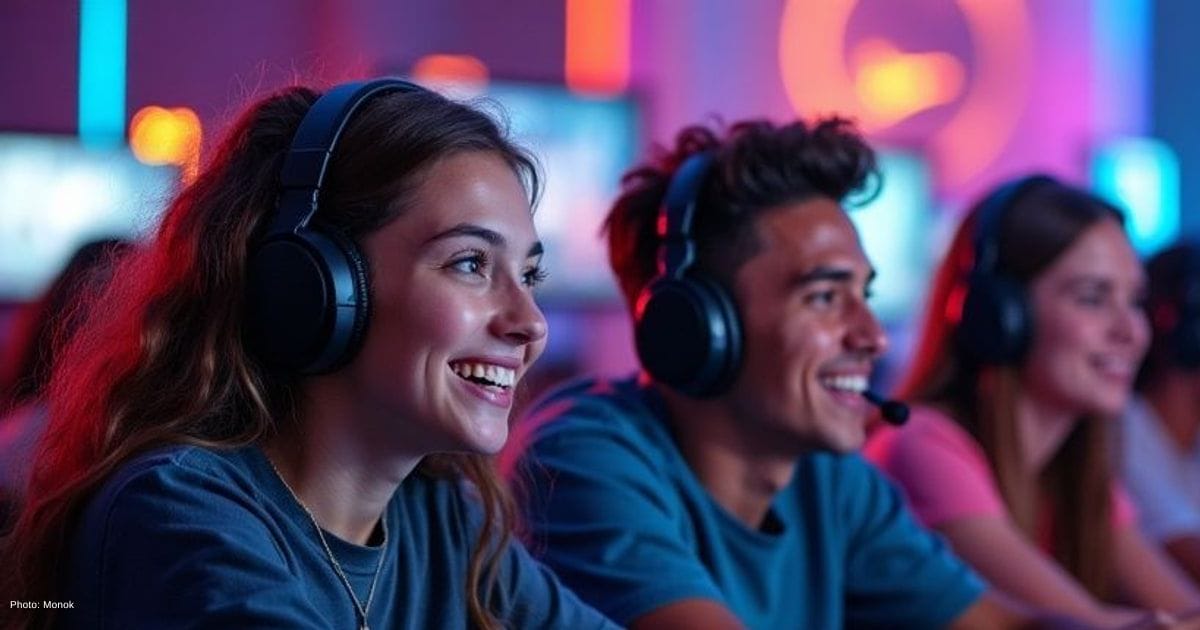
Gen Z Prioritises Gaming for Social Connection, Reshaping Entertainment
Morning commuters filled train stations while many teenagers stayed focused on mobile screens and virtual chats. Instead of meeting in malls or basketball courts, they now socialize inside online gaming platforms after school. Recent studies show gaming is becoming a key social space for Gen Z worldwide. Analysts link this shift to changing friendship habits, evolving entertainment choices, and broader gaming trends that influence how young people communicate and spend free time.
Researchers found many players now value interaction inside games more than traditional social media. Deloitte reported that 40 percent of Gen Z and Millennials spend more social time inside games than physical settings, reshaping entertainment. This habit pushed developers to redesign experiences around communication, cooperation, and identity. Experts said it may influence advertising, gaming trends, and game development.
Key Takeaways
Gen Z is prioritizing gaming for social connection, reshaping traditional entertainment and social habits.
- 40 percent of Gen Z and Millennials now spend more social time in games than in physical settings, highlighting the shift in social preferences.
- Online gaming platforms are becoming crucial spaces for forming and maintaining friendships, with many users participating in virtual events and activities post-school.
- The growth of social gaming has transformed digital economies, with platforms like Roblox and Fortnite offering significant economic opportunities for younger creators through interactive content.
Online worlds replace traditional hangouts
Many young adults now log into online games immediately after classes, jobs, or family responsibilities every evening. They attend concerts, exchange personal stories, and organize tournaments through virtual communities that remain active overnight. Researchers reported that 89 percent of Gen Z players believe gaming can help create lasting friendships. The findings highlighted how entertainment continues shifting from passive viewing toward active digital participation among younger audiences.
Popular platforms such as Roblox became important gathering spaces for millions of players worldwide during the past year. The platform recorded 132 million daily active users during early 2026, showing enormous engagement from younger demographics globally. Users spent billions of hours creating avatars, customizing identities, and exploring digital experiences with online friends every day. Analysts said those interactions reflected major gaming trends that increasingly shape communication habits among modern teenagers and students.
Meanwhile, Fortnite expanded beyond competitive matches by hosting concerts, live events, and collaborative social activities for players. Industry reports estimated that Fortnite averaged 110 million monthly active users during 2025 across several global regions. Many users entered matches mainly to socialize with classmates, relatives, and online communities instead of pursuing victories alone. Experts noted that entertainment platforms now compete directly with social applications through immersive digital environments and shared experiences.
Creator economies drive industry expansion
The rapid growth of social gaming also transformed digital business opportunities for younger online creators around the world. Players increasingly design maps, virtual clothing, and interactive content rather than simply consuming entertainment made by large companies. Analysts estimated creator payouts across Roblox, Fortnite, and Overwolf reached approximately $2.2 billion during 2025. Those figures showed how game development changed into a serious economic opportunity for creative younger audiences.
Industry specialists connected that expansion to major gaming industry innovations focused on user participation and flexible digital marketplaces online. Companies invested heavily in creator tools, artificial intelligence systems, and personalized experiences that encouraged deeper community engagement. Those investments helped platforms keep players active for longer periods compared with many traditional social networking applications. Experts observed that gaming increasingly functions as both entertainment and employment within growing digital economies worldwide.
Streaming companies also faced stronger competition from virtual gaming platforms that attract highly engaged younger audiences every day. During late 2025, Roblox recorded engagement hours approaching totals reported by Netflix across several markets. Analysts described the development as a major shift within the global entertainment business and broader digital media landscape. Younger consumers increasingly preferred interactive participation because online worlds offered stronger personal involvement and creative freedom.

Bipradeep Biswas
Bipradeep Biswas is an undergraduate student majoring in Computer Science and Engineering. He has a passion for anime and gaming, which he enjoys in his free time. Recently he has started writing articles for Spiel Times. In addition to his love of writing, he is fascinated by new technologies as well as possesses an insatiable curiosity for the mysteries of the universe and beyond.
View all articlesRelated Articles
View All
Xbox Goes Beyond Games as Microsoft Launches New XP entertainment Arm
Xbox is taking its most familiar worlds far beyond the console. Microsoft launches new XP entertainment initiatives through a division...
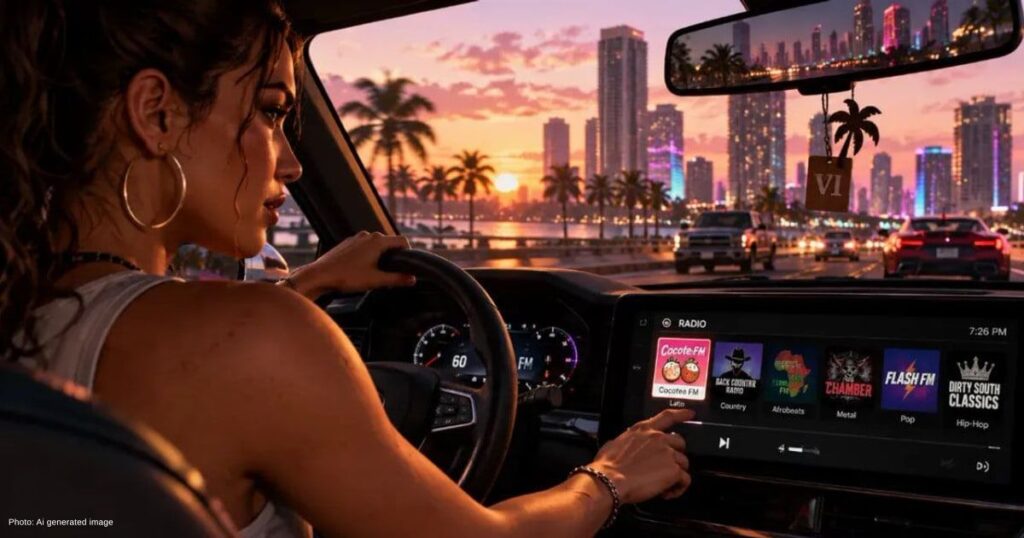
GTA 6 Reveals Six Star-Studded Radio Stations Ahead of Launch
Music has always been a big part of Grand Theft Auto, and the next instalment is taking things even further....

A Look at Street Fighter: Ryu vs Ken in the Upcoming Live-Action Movie
Video game adaptations have become a major part of modern entertainment, giving familiar characters another chance to reach audiences beyond...