
Why Major Game Launch Campaigns Become Global Streaming Spectacles
Major releases no longer arrive quietly. In 2026, franchises can surface through countdowns, creator broadcasts, watch rewards, reaction clips, and synchronized premieres that turn release campaigns into shared occasions. This shift reflects one of the clearest gaming trends: audiences increasingly experience a debut together, even while watching from different countries, platforms, and time zones. The result today is a launch shaped as much by community energy as by conventional advertising.
When a game reveal enters the streaming spotlight
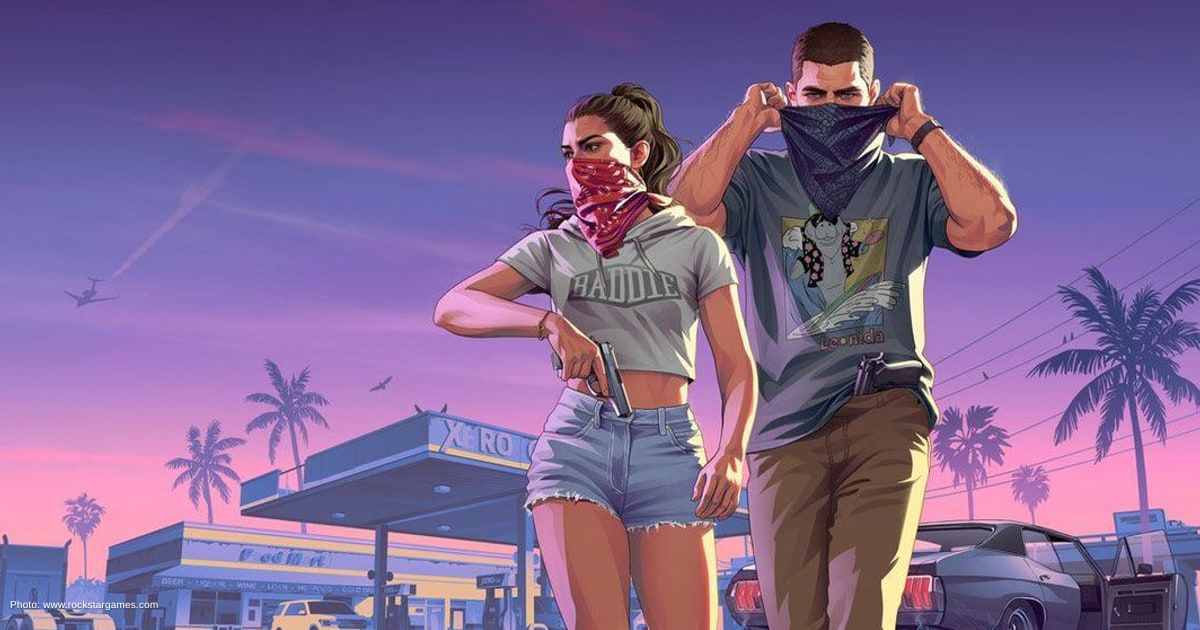
In August 2026, Netflix announced that Grand Theft Auto VI: An Extended Look would premiere on August 27. Rockstar scheduled the game for November 19, making the program a preview rather than the launch. The venue still matters: a service identified with film and television is hosting an exclusive gaming reveal.
The partnership shows how franchise marketing now crosses media boundaries. A trailer once released alone can become appointment viewing, surrounded by countdowns, live reactions, commentary, memes, and follow-up coverage. Fans do not merely receive information. They interpret it collectively and keep it circulating.
Publishers gain a longer promotional runway before the latest game releases, while platforms can turn exclusive reveals into subscriber interest and cultural relevance. For audiences, the appeal is simple: being present when everyone begins talking.
Creators turn release windows into shared culture
The model extends beyond Netflix. EA broadcast the first EA Sports FC 26 gameplay on YouTube and Twitch in September 2025 with creators, football personalities, and viewership rewards. Battlefield 6 used Twitch Drops at launch. EA reported more than 15 million hours watched across streaming services during the game’s first three days.
That appointment-viewing habit starts before release. Summer Game Fest’s 2025 broadcast reached 2.7 million peak concurrent viewers across platforms, while PlayStation’s State of Play 2026 June drew extensive creator co-streaming. Neither centered on release day, but both showed global audiences treating game news as scheduled entertainment, complete with hosts, premieres, and instant communal analysis.
Official broadcasts and creator participation now shape modern game development and promotion. Creators translate features for communities, live chat turns announcements into social experiences, and short-form clips carry moments beyond broadcasts. Strong campaigns respect regional schedules, languages, accessibility, and platform preferences.
Among gaming trends, the launch window is becoming an ecosystem rather than a single date. It connects official channels, independent voices, players, and spectators before momentum flows into play, updates, esports, and long-term community storytelling.
The next launch begins with the community
As this launch ecosystem expands, future events are likely to become more interactive, but spectacle alone will not guarantee trust. Publishers need accurate demonstrations, stable releases, transparency, and honest creator response. Strong foundations let livestreams welcome newcomers without sidelining longtime fans or regional communities.
With that trust established, the rollout around the latest game releases may blend premieres, playable demos, localized co-streams, and digital rewards into coordinated events. Brands that treat viewers as participants, not as impressions, can build relationships. The opportunity is bigger than opening-week sales: it is a chance to make global gaming feel genuinely shared, memorable, and worth returning to.

Marcus Kade
Marcus Kade is Managing Editor at Spiel Times, covering breaking gaming news with a focus on the industry's business side. When not writing, he's probably losing a co-op game to his partner.
View all articlesRelated Articles
View All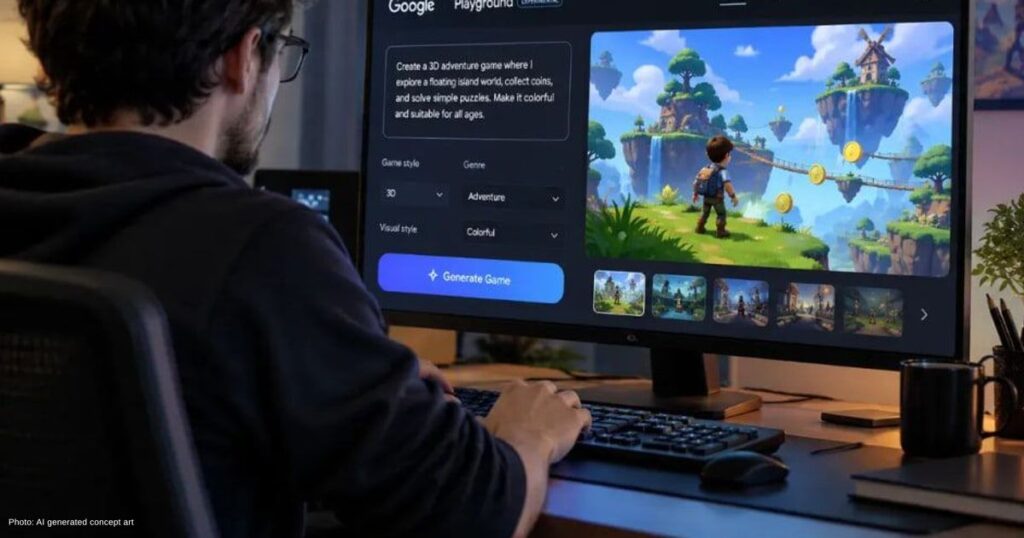
Google and Unity Team Up to Let Anyone Create Video Games Using AI Prompts
Creating a video game usually takes programming knowledge, design skills and plenty of time. However, artificial intelligence is beginning to...
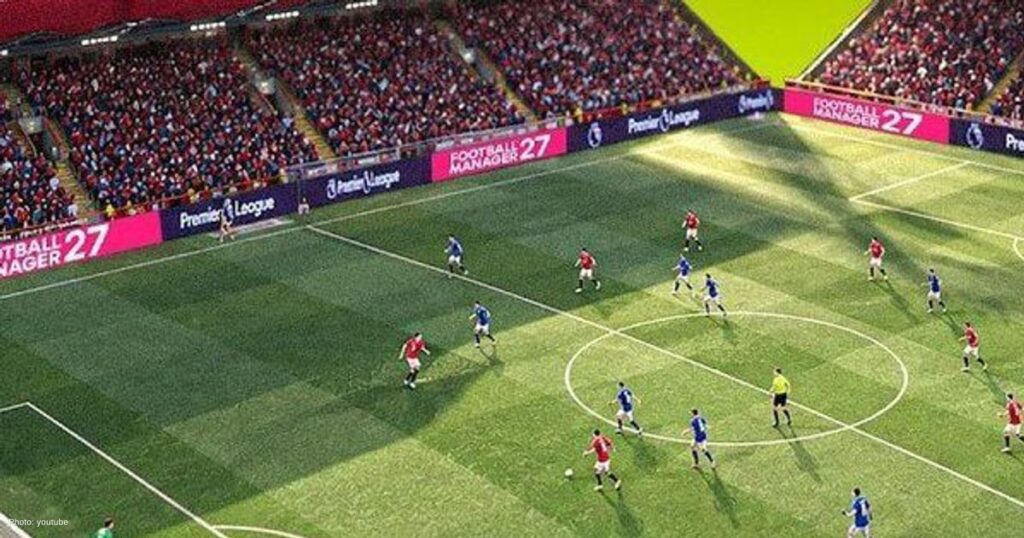
Football Manager 27 Unveils a Smarter Interface With Fewer Clicks
Sports Interactive has revealed early details about Football Manager 27’s interface improvements ahead of its November 2026 launch, introducing changes...
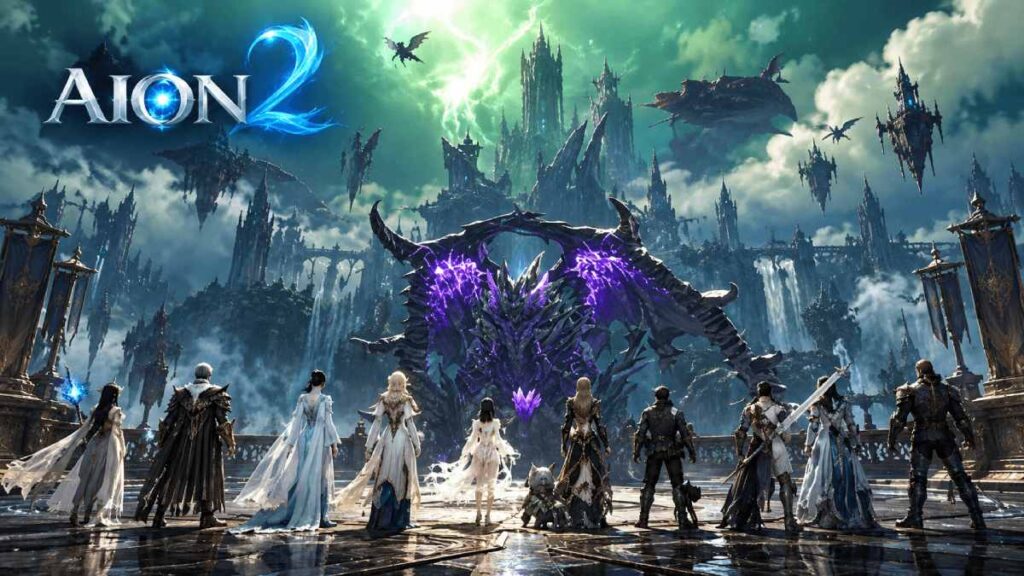
Where To Buy Aion 2 Kinah Safely? A Complete Guide
AION 2 has officially arrived, bringing a new generation of MMORPG adventure to players around the world. After years of...