
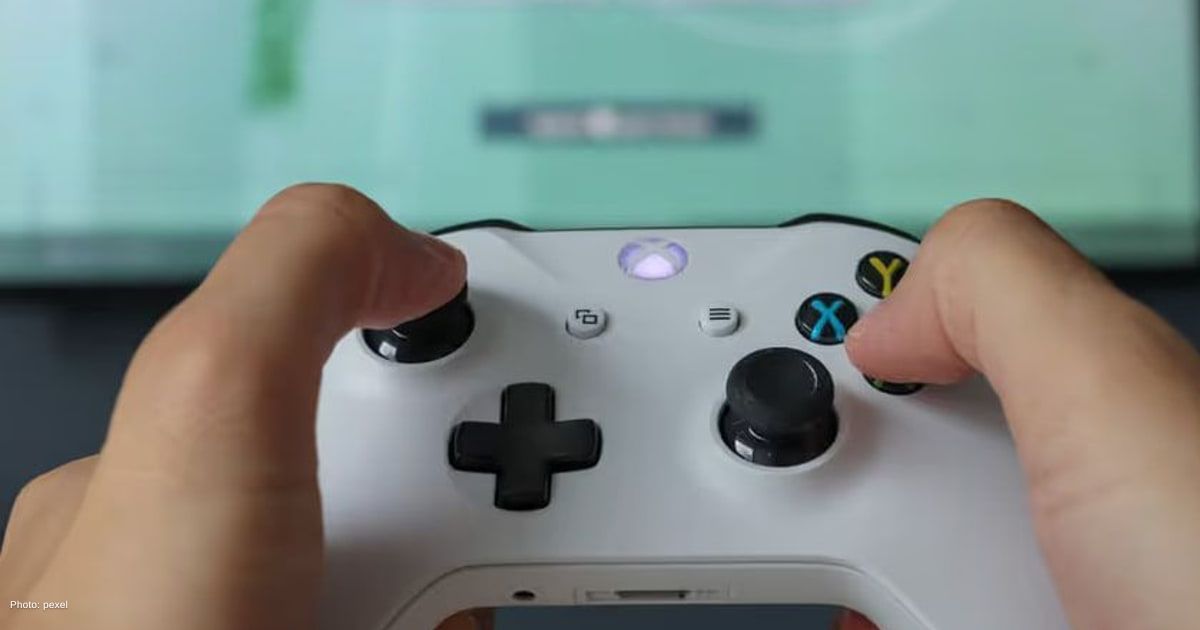
Xbox’s Studio Shake-Up Puts Its Gaming Future Under New Pressure
Xbox’s latest reset is not a retreat from gaming, but a serious test of discipline after years of expansion, acquisitions, and subscription ambitions. In July 2026, Microsoft confirmed plans to reduce around 3,200 Xbox roles across FY27, including immediate cuts, and to move four studios outside the Xbox structure.
The decision puts game development, Game Pass expectations, and future entertainment strategy under sharper scrutiny. For players, the issue is not whether Xbox still matters, but how clearly it can prove what comes next.
Key Takeaways
Xbox is undergoing a significant restructuring, involving layoffs and the repositioning of studios, as it aims for greater discipline and focus in a challenging market, with the success of this reset hinging on its ability to maintain creative output and build trust with players and developers.
- Xbox’s restructuring prioritizes fewer layers, sharper accountability, and a stronger focus on projects that support long-term gaming growth in a tougher market, despite the human cost of layoffs.
- For players, the concern is whether games will still arrive and if the Game Pass service can demonstrate its value through consistent, high-quality releases and creative confidence, rather than just scale.
- Xbox’s future success depends on its ability to leverage its existing advantages, communicate clearly, protect game quality, and prove that its leaner structure can lead to stronger outcomes and renewed creative confidence.
Why is Xbox choosing a leaner future
Microsoft’s Xbox business expanded through major acquisitions, including Activision Blizzard and Bethesda parent ZeniMax, while building a wide first-party network. The 2026 reset now prioritizes fewer layers, sharper accountability, and a stronger focus on projects that can support long-term gaming growth in a tougher market.
That shift has a human cost. Layoffs affect developers, artists, producers, engineers, and support teams whose work shaped familiar worlds. Any serious analysis must recognize the business logic while respecting the people behind the games.
The studio shake-up also changes how Xbox manages creativity. Some teams outside Xbox could gain more flexibility under new leadership, while Microsoft reduces internal complexity. Still, divestments can disrupt schedules, morale, and long-term planning. The challenge is ensuring that a leaner structure does not weaken the game development pipeline that players rely on.
What the studio shake-up means for players
For players, the first question is practical: will the games still arrive? Microsoft has not positioned the reset as an exit from gaming. Instead, it is trying to reshape how Xbox funds, manages, and delivers entertainment across console, PC, cloud, and subscription services for global players.
Game Pass remains central to that plan, but the service now faces more pressure to demonstrate value through consistent releases of the latest games. A subscription library cannot live on scale alone. It needs memorable launches, reliable quality, and enough variety to make players feel their time and money are respected.
The bigger concern is creative confidence. Restructuring often pushes large companies toward safer bets, especially when margins tighten, and management wants predictable results. Xbox must avoid becoming too cautious. Its strongest position may come from balancing blockbuster franchises with distinctive projects that reflect changing gaming trends.
Players notice when a platform feels alive, not merely efficient. If Xbox can support bold ideas while improving business discipline, the studio shake-up could serve as a purposeful reset rather than a symbol of uncertainty for developers and fans.
Xbox must turn pressure into trust
Xbox still has major advantages: global reach, recognizable franchises, cloud infrastructure, PC strength, and a brand deeply tied to entertainment. Those assets give Microsoft room to rebuild momentum, but its reputation will depend on execution. A leaner Xbox must communicate clearly, protect quality, and prove that a sharper focus can lead to stronger outcomes.
The next chapter will be judged by trust. Developers need stability. Players need the latest game releases. The wider gaming market needs evidence that Xbox can turn pressure into direction. If Microsoft delivers clearer priorities, better games, and renewed creative confidence, this difficult reset could become the foundation for a more disciplined, resilient, and growth-ready future.

John Micheal Agustin
John Micheal (sometimes called JM or Mike) has been writing various types of professional articles for almost 2 years now. He is an avid sports fan and has been following the NBA since the early 2000s. He also loves playing a lot of video games like DotA 2, Valorant, but MMOs have a special place in JM's heart. Not only is he a huge fan of basketball and video games, he also loves movies and tv shows. He is a huge MARVEL and MCU fan plus he is into a lot of superhero stuff.
View all articlesRelated Articles
View All
Google and Unity Team Up to Let Anyone Create Video Games Using AI Prompts
Creating a video game usually takes programming knowledge, design skills and plenty of time. However, artificial intelligence is beginning to...

Football Manager 27 Unveils a Smarter Interface With Fewer Clicks
Sports Interactive has revealed early details about Football Manager 27’s interface improvements ahead of its November 2026 launch, introducing changes...
Where To Buy Aion 2 Kinah Safely? A Complete Guide
AION 2 has officially arrived, bringing a new generation of MMORPG adventure to players around the world. After years of...