
Xbox’s New Game Plan Brings Exclusives Back and Reshapes Its Studios
Xbox is rebuilding its identity as Microsoft confronts a difficult financial reality. Xbox content and services revenue fell 10% year over year in the quarter ending June 2026, while the company announced plans to eliminate approximately 3,200 Xbox roles across fiscal 2027. Yet its response goes beyond cutting costs: selected console exclusives are returning, and major studios are changing hands internally. The stakes for players and developers are already substantial.
Key Takeaways
Xbox is undergoing a significant strategic shift, reintroducing console exclusives while also embracing PC accessibility, alongside internal studio reorganizations and workforce reductions.
- Xbox is bringing back console exclusives for titles like Gears of War: E-Day and Clockwork Revolution, but these will also be available on PC, maintaining broader accessibility.
- Microsoft is restructuring its game development studios, reassigning franchises and oversight to different teams within Activision and Bethesda to streamline operations.
- The company is implementing significant workforce reductions, cutting thousands of roles across Xbox, which raises concerns about talent retention and future development capacity despite stated goals of simplified management.
Xbox exclusives return without leaving PC behind
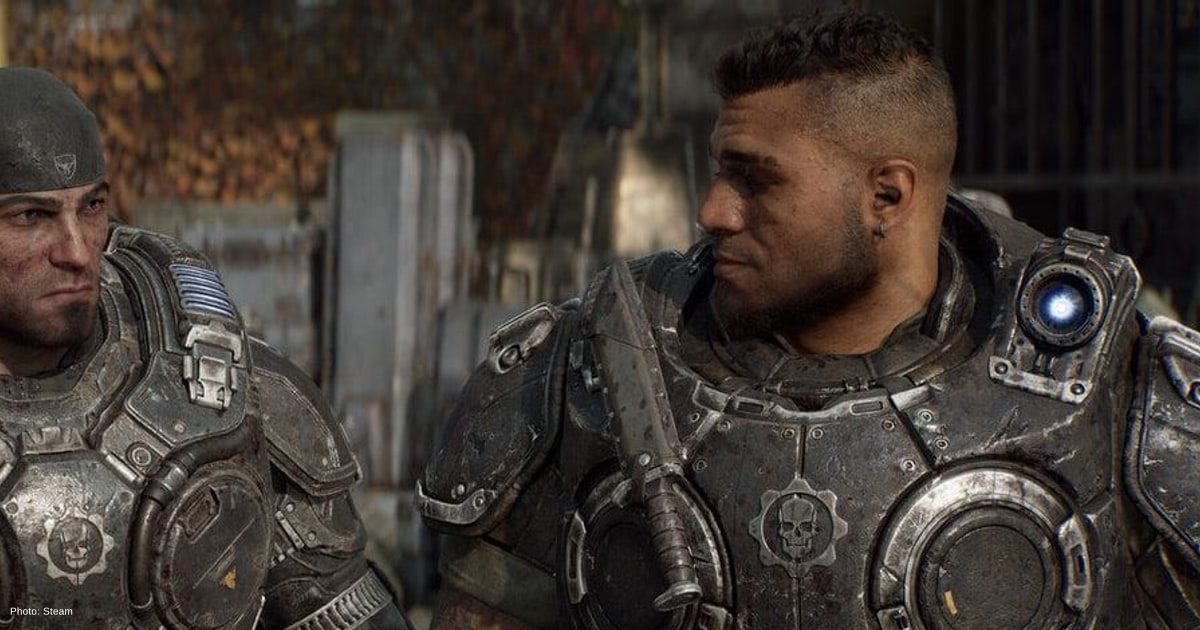
At June’s Xbox Games Showcase, Microsoft identified Gears of War: E-Day and Clockwork Revolution as Xbox console exclusives, explicitly ruling out timed exclusivity. Both also support PC. That approach distinguishes Xbox from competing consoles without withdrawing games from the broader Windows gaming audience.
That selective strategy is already taking shape. Gears of War: E-Day launched October 6 on Xbox Series X|S and PC, including Steam, with Game Pass access. Clockwork Revolution is planned for 2027. Together, these titles appeal to Xbox owners without excluding PC players.
Microsoft promised to honor announced multiplatform launches, making this a selective policy rather than a blanket restriction. For anyone following gaming trends and the latest game releases, the question is whether this more defined console identity can produce games compelling enough to justify it.
Microsoft’s studio reset changes who builds what
That promise depends on the studios building the games. In September, Microsoft assigned the next Halo title to a dedicated Activision team separate from Call of Duty, while a smaller Halo Studios team continued supporting existing titles. Playground Games and Turn 10 are also joining forces around Forza and Fable, changing oversight for major franchises.
The reset reaches other teams. Activision will oversee Rare and World’s Edge, Bethesda will add Obsidian, and King will take responsibility for Microsoft Casual Games. Microsoft says fewer business units and closer collaboration should support game development. Real gaming industry innovations, however, require more than changes on paper.
The numbers reveal the cost of that plan. Microsoft’s July announcement eliminated approximately 1,600 Xbox roles immediately, followed by 268 more positions in September. Both rounds form part of the roughly 3,200 reductions planned across fiscal 2027, rather than separate totals to add together. The company also confirmed studio divestitures and consultation over possible closures, including Ninja Theory. These decisions may simplify management, but the loss of talent raises questions about creative continuity and game development capacity.
What Xbox’s reset means for players and developers
For players, Microsoft’s reset offers a sharper choice: console exclusives alongside continuing PC access. For teams making those games, the hope is faster decisions and clearer responsibilities, although layoffs complicate that promise. An organization chart guarantees neither better releases nor stronger player loyalty.
The next test comes from the games themselves. Meaningful progress happens when creators turn imaginative ideas into memorable worlds, not merely when companies reorganize. If Microsoft’s remaining studios receive the support and time they need, its new strategy could rebuild confidence through play. That would give gaming industry innovations a result players can actually feel.

Marcus Kade
Marcus Kade is Managing Editor at Spiel Times, covering breaking gaming news with a focus on the industry's business side. When not writing, he's probably losing a co-op game to his partner.
View all articlesRelated Articles
View All
The Simpsons Game Returns With Unofficial PC Port and Steam Deck Improvements
Classic console games continue to find new audiences as independent developers bring older titles to modern hardware. Advances in game...
RuneFest 2026 Reveals RuneScape 4, Major Expansions and Ambitious 2027 Roadmaps
Long-running online games continue to evolve as developers introduce fresh content while preserving the experiences that made them popular. Changing...
Modern Warfare 4 Puts Price on the Run as Call of Duty Turns Darker
Call of Duty: Modern Warfare 4 puts Captain Price in unfamiliar territory. Infinity Ward’s 2026 campaign finds the veteran operator...