
Forever Ago Finds Beauty in Grief, Even When the Gameplay falls Short
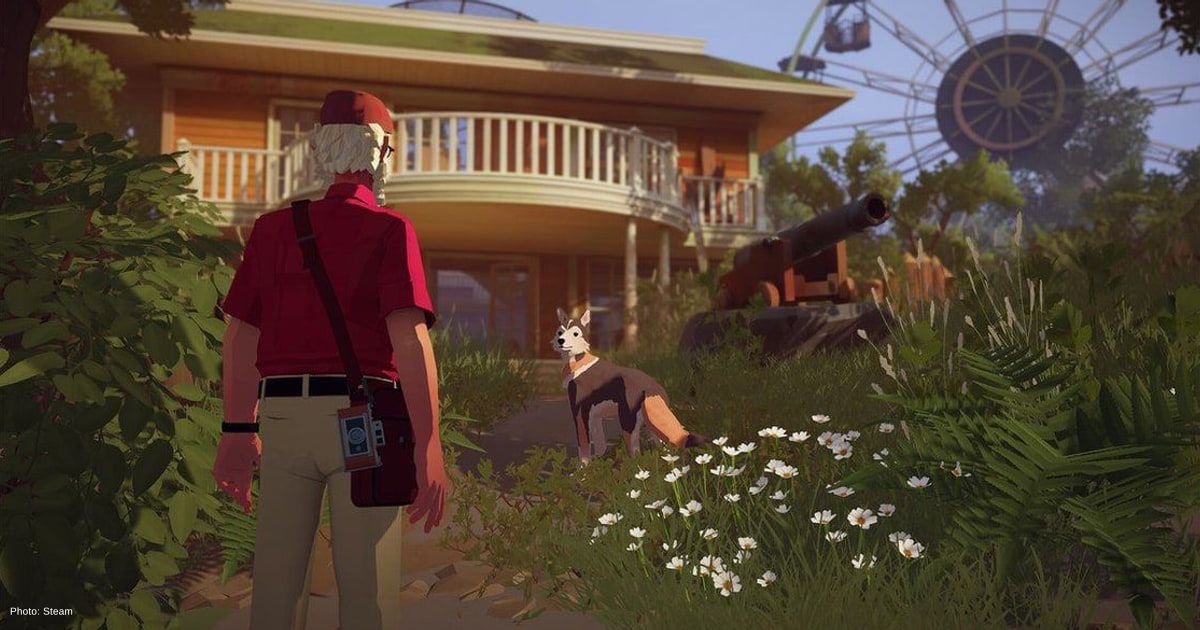
An ordinary road trip carries extraordinary grief in Forever Ago: Alfred travels without the person who made those journeys meaningful. Released October 8, 2026, the narrative gaming adventure from developer Third Shift and publisher Annapurna Interactive follows the elderly widower as he drives north through memories of Audrey, his late wife. What emerges is a tender, persuasive story about grief and reconnection, even as its sparse gameplay struggles to keep pace.
Key Takeaways
Forever Ago is a narrative adventure game that explores grief and reconnection through a widower’s road trip, but its gameplay mechanics occasionally fall short of its emotional depth.
- The game Tenderly explores themes of grief and reconnection through the eyes of an elderly widower retracing memories with his late wife.
- While the storytelling and voice acting are praised for creating a lived-in history, the game’s gameplay mechanics, such as movement and interaction, are sometimes criticized for being sluggish and awkward.
- Forever Ago’s deliberate pace and focus on photography and conversation over complex systems pose a question about how much interactivity a moving story truly needs, ultimately offering a quietly hopeful message about embracing the future without forgetting the past.
A road trip built around love and loss
Audrey leaves Alfred a journal of tasks linked to places they visited together. Following it takes him through unfamiliar landscapes. The distance between memory and reality gives the trip its quiet tension: the world has changed while Alfred remains caught in loss.
Flashbacks show two people whose disagreements matter as much as their affection. Alfred’s curt exchange with the chatty gas station attendant, Milton, reveals grief through impatience rather than tears. As new friendships emerge, the man behind that sharp exterior becomes easier to understand.
This older perspective distinguishes Forever Ago among the latest game releases. Its emotional force comes from accumulated details: Audrey’s notes, Alfred’s reactions, and unexpected conversations along the road. Reviews have praised the writing and voice performances for making their shared history feel lived in.
Where beautiful storytelling meets simple play
Those memories also shape how Forever Ago plays. Alfred uses an instant camera to photograph locations and objects, then adds selected pictures to Audrey’s journal. Red petals scattered around each area unlock optional glimpses of the couple’s past, while small environmental puzzles encourage exploration. Photography gives players a reason to slow down, look closely, and notice places the characters once shared.
The presentation reinforces that intimacy. Colorful forests, roadside stops, and desert scenery add visual variety to the trip, while Clark Aboud’s original score shifts between comfort and sorrow. Piotr Michael voices Alfred and Cissy Jones plays Audrey, giving their conversations warmth and friction. Strong performances give their simplest exchanges emotional weight, creating absorbing entertainment without relying on blockbuster gaming spectacle.
Gameplay falls short in some interactions. PlayStation LifeStyle’s PS5 review reported sluggish movement, awkward interaction prompts, limited dialogue choices, and clumsy rowing controls during a four-hour playthrough. RPGamer, by contrast, found exploration manageable, with occasional awkward interactions rarely interrupting the experience. These reviews highlight the trade-off: restrained gameplay creates space for emotion, but unresponsive controls can break the mood.
Why its quiet journey still matters
That tension raises a worthwhile question for anyone following gaming trends: how much interactivity does a moving story need? Forever Ago makes its case through photographs, conversations, and difficult recollections rather than elaborate systems. Its measured pace rewards patience, although occasional control frustrations can make that patience harder to sustain.
The contrast helps explain why game reviews evaluate narrative entertainment differently. Forever Ago may disappoint players seeking mechanical depth, yet its portrait of a grieving man reconnecting with others gives the road trip purpose. Its central idea is quietly hopeful: learning to welcome tomorrow does not require leaving yesterday behind.

Marcus Kade
Marcus Kade is Managing Editor at Spiel Times, covering breaking gaming news with a focus on the industry's business side. When not writing, he's probably losing a co-op game to his partner.
View all articlesRelated Articles
View All
Google and Unity Team Up to Let Anyone Create Video Games Using AI Prompts
Creating a video game usually takes programming knowledge, design skills and plenty of time. However, artificial intelligence is beginning to...

Football Manager 27 Unveils a Smarter Interface With Fewer Clicks
Sports Interactive has revealed early details about Football Manager 27’s interface improvements ahead of its November 2026 launch, introducing changes...
Where To Buy Aion 2 Kinah Safely? A Complete Guide
AION 2 has officially arrived, bringing a new generation of MMORPG adventure to players around the world. After years of...