
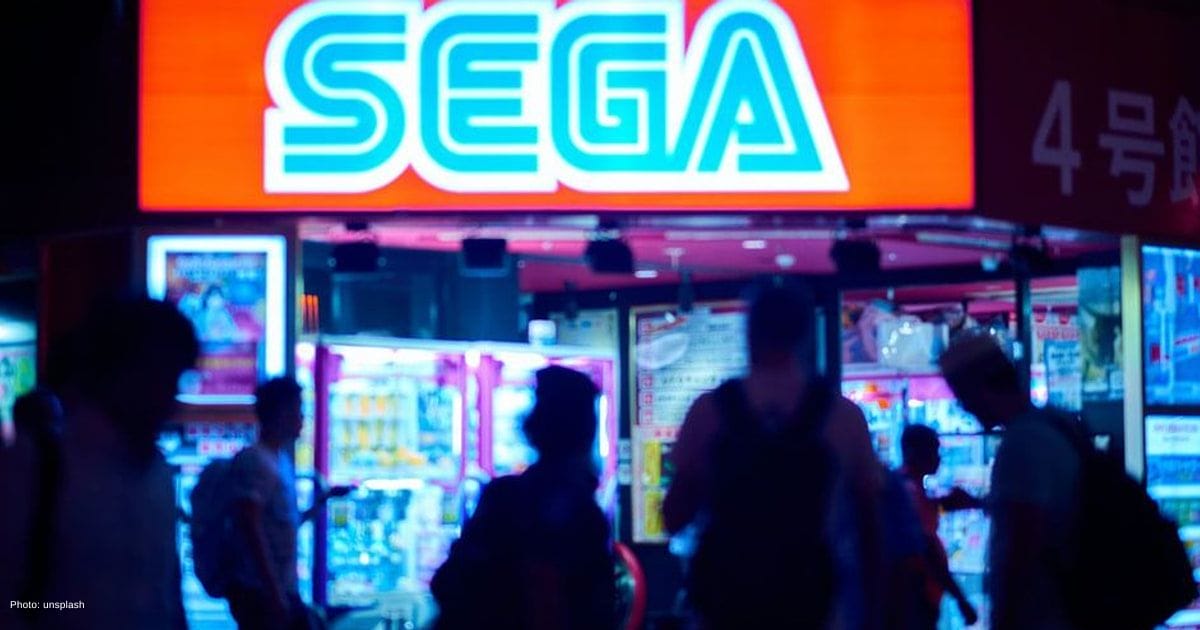
Sega quietly ends $882 million Super Game as live-service strategy unravels
Sega’s decision to walk away from its ambitious “Super Game” initiative says a lot about where the gaming industry stands right now. After years of chasing the promise of massive live-service success, even major publishers are starting to rethink whether the strategy is still worth the risk, especially as player attention shifts constantly between the latest game releases.
The Japanese gaming company quietly confirmed the cancellation inside its latest fiscal year financial report rather than through a major announcement. For a project that once carried enormous expectations and headlines across the industry, the ending arrived with surprisingly little noise.
Key Takeaways
Sega quietly cancels its $882 million ‘Super Game’ initiative, reflecting the challenges and risks in the live-service gaming market.
- Sega’s Super Game initiative, aimed at creating a large entertainment ecosystem, was quietly canceled despite initial ambitious plans and investments.
- The live-service gaming market faces difficulties due to high costs, difficulty in building stable player communities, and competition from established titles.
- Sega is refocusing on traditional game development and reviving classic franchises like Crazy Taxi and Sonic.
The collapse of Sega’s Super Game
First introduced in 2021, the Super Game initiative was meant to become something far bigger than a normal video game release. Sega executives described it as a large entertainment ecosystem connecting players, livestream creators, viewers, and online communities through multiple AAA projects. Company leadership even spoke about building a new “worldview” around gaming culture itself.
At one point, Sega suggested it could invest up to roughly $882 million over five years to bring the initiative to life. That funding plan reportedly included possible studio acquisitions, expanded technology development, and broader online infrastructure. Despite the scale of those ambitions, Sega remained vague about what the actual game or games would look like.
Even in late 2023, Sega executives continued insisting development was progressing and encouraged investors to stay optimistic about the project’s future. Yet no gameplay footage, trailers, or launch details ever surfaced publicly. The initiative was originally expected to launch by the end of fiscal year 2026, but that timeline has now effectively disappeared.
Live-service gaming hits reality check
Part of the problem comes from how difficult the live-service market has become. Over the past decade, publishers rushed to create games capable of generating years of recurring revenue through online updates, subscriptions, cosmetics, and battle passes.
The huge success of Fortnite, Roblox, and Genshin Impact convinced many companies that live-service gaming represented the future of the business and one of the biggest gaming industry innovations.
Reality turned out far more complicated. Most new projects struggled to build stable player communities, especially when competing against already dominant titles with millions of loyal users. Development costs also continued rising while audiences became harder to retain.
Sega faced several setbacks during that push. Hyenas, a live-service extraction shooter developed by Creative Assembly, was canceled in 2023 after years of work and triggered restructuring across Sega’s European operations.
More recently, Sonic Rumble Party reportedly delivered weak performance, while other mobile releases also missed company expectations. Sega’s acquisition of Rovio, the creator of Angry Birds, has similarly produced disappointing financial results so far.
Refocusing classic franchises
As Sega pulls back from free-to-play development, more than 100 developers have already been reassigned to traditional “Full Game” projects focused on major franchises and broader game development priorities. Importantly, Sega says its classic IP revival plans remain active, including new projects tied to Crazy Taxi, Jet Set Radio, Golden Axe, Streets of Rage, and Virtua Fighter.
For longtime fans, that may be the biggest positive game development from this entire decision. Instead of chasing another crowded live-service market, Sega now appears more focused on bringing back franchises players have been asking to see return for years.

John Micheal Agustin
John Micheal (sometimes called JM or Mike) has been writing various types of professional articles for almost 2 years now. He is an avid sports fan and has been following the NBA since the early 2000s. He also loves playing a lot of video games like DotA 2, Valorant, but MMOs have a special place in JM's heart. Not only is he a huge fan of basketball and video games, he also loves movies and tv shows. He is a huge MARVEL and MCU fan plus he is into a lot of superhero stuff.
View all articlesRelated Articles
View All
Squadron 42 Reveals New Gameplay and PC Requirements Ahead of 2027 Launch
After more than a decade of development, one of the most ambitious space adventures is moving closer to release. Cloud...

GTA 6 on Switch 2? Nintendo Says It’s Rockstar and Take-Two’s Call
Grand Theft Auto 6 is heading toward its November 19 launch, yet one question keeps coming up: could Vice City...
Ubisoft Wants Its ‘Motherbrain’ AI Across as Many Games as Possible
Ubisoft is taking another step towards making generative AI a bigger part of how it builds games. The company has...