
PS6 Price Fears Grow After Shocking $680 Memory Cost Leak
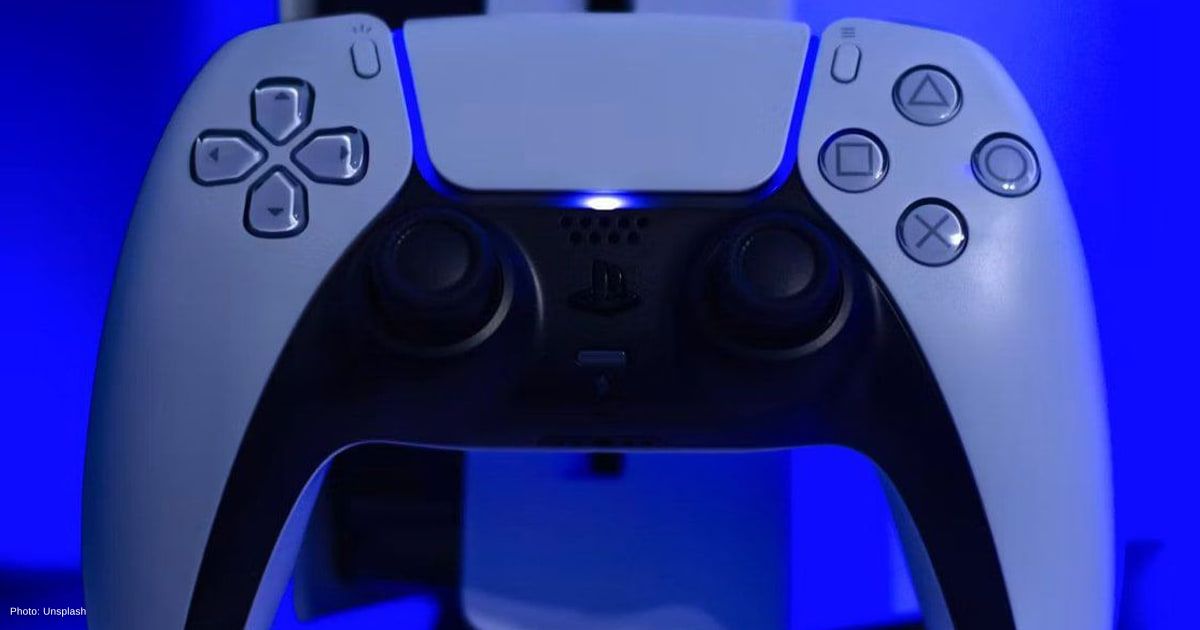
Sony’s next-generation PlayStation could arrive with a higher price tag than many players expect. Rising component costs are making gaming consoles more expensive, raising concerns about what comes next. Much of this pressure comes from artificial intelligence companies competing for the same hardware used in consumer electronics. With another console generation approaching, these costs could change how we experience gaming and entertainment.
Key Takeaways
Rising component costs, largely driven by AI demand, are leading to concerns about a potentially significantly higher price for the upcoming PlayStation 6, impacting the affordability of next-generation gaming.
- The estimated cost of memory and storage alone for the PS6 is reportedly over $680 per console, a substantial increase from previous generations, even before accounting for other essential components.
- The global demand for AI infrastructure is creating intense competition for manufacturing capacity, driving up the prices of essential hardware components used in consumer electronics like gaming consoles.
- The increasing cost of consoles across major platforms, including the PS5 and Xbox Series X, suggests that the PS6 could launch at a significantly higher price point, potentially impacting player adoption and influencing game development strategies.
PS6 memory costs exceed $680
Hardware insider KeplerL2 claims the PlayStation 6’s RAM and NAND flash storage alone currently cost more than $680 per console. The figure, reported by Video Games Chronicle, covers only two components rather than the complete manufacturing cost. Sony must still account for the processor, graphics hardware, cooling system, motherboard, power supply, controller and other essential parts.
According to KeplerL2, memory and storage were considerably cheaper when the console’s design was finalised. That difference raises concerns about how much the finished console might cost. However, Sony has not confirmed the estimate or announced official PS6 specifications.
AI demand drives hardware prices
The reported increase reflects a wider problem affecting consumer electronics. Artificial intelligence data centres require enormous quantities of memory, creating competition for manufacturing capacity and pushing component prices higher.
Suppliers are increasingly prioritising AI infrastructure, leaving less capacity available for other products. We’ve already seen the effects on existing consoles:
- PlayStation 5: The standard model launched at $499 in 2020 but now costs approximately $650.
- PS5 Digital Edition: Its price has increased from $399 to $600.
- Xbox Series X: Microsoft’s disc-drive model has climbed from $500 to $800.
- Nintendo Switch 2: Nintendo’s latest console has reportedly risen from $450 to $500.
These increases show that the pressure extends beyond Sony. With hardware becoming more expensive across major platforms, the wider entertainment market faces growing concerns about affordability.
Analysts predict expensive PS6
With hardware prices continuing to rise, industry experts are divided over how much Sony might eventually charge. Aldora CEO Joost van Dreunen told GamesIndustry.biz that next-generation consoles might not arrive until 2028, potentially launching above $1,000.
Newzoo director Manu Rosier offered a different outlook, suggesting standard models would likely remain below $999 for marketing reasons, although premium versions might exceed that threshold.
Sony is not facing these challenges alone. Microsoft’s upcoming Project Helix faces comparable financial pressures, with Xbox leadership acknowledging memory costs as a pricing concern. Neither manufacturer has confirmed final next-generation pricing.
Expensive consoles threaten adoption
Beyond the price itself, another question remains: would enough players upgrade? Gaming commentators have questioned whether expensive consoles would attract enough buyers to justify exclusive game development. Smaller audiences might encourage publishers to continue releasing titles across multiple generations rather than focusing entirely on new hardware.
Rumours surrounding a portable PS6 capable of running PS5 games further suggest Sony could maintain support for existing hardware. This approach could influence gaming industry innovations, encouraging developers to prioritise improved performance, upscaling and frame rates over exclusive experiences. Even top upcoming video game releases might remain available on older systems if publishers prioritise reaching larger audiences.

Marcus Kade
Marcus Kade is Managing Editor at Spiel Times, covering breaking gaming news with a focus on the industry's business side. When not writing, he's probably losing a co-op game to his partner.
View all articlesRelated Articles
View All
PS5 Pro Shortage Could Leave GTA 6 Fans Waiting Until 2027
The PlayStation 5 Pro is becoming harder to find, and the shortage could worsen as one of the year’s biggest...

Gears of War: E-Day Skips PS5 After the Franchise’s PlayStation Debut
Last year’s PlayStation debut made Gears of War feel more accessible than ever to new audiences. Yet Gears of War:...
Forza Horizon 6 PS5 Release Date Leak Points to January 2027
PlayStation racing fans may have a new date to look forward to as Forza Horizon 6 reportedly nears its PS5...